Exploring Throw Pillow Cushion Covers: Materials and Designs
Intro
In the world of interior design, the nuances of detail matter more than ever. One often-overlooked detail that can transform a space is the throw pillow cushion cover. These are not just practical items; they are also pivotal in enhancing the aesthetic appeal of any room. With an array of materials, designs, and styles available, throw pillow covers serve both functional and decorative purposes that can reflect personal style or complement the existing decor.
Throw pillow cushion covers can be seen as art pieces in their own right. They encapsulate the trends of their time, reflect the materials used, and can even serve as conversation starters. Whether one is seeking to inject a pop of color or a touch of texture into a living space, understanding the factors at play in choosing the right throw pillow cover can significantly impact the overall ambiance.
This article deeply explores the materials, designs, and cultural influences that shape the evolution of throw pillow cushion covers. Additionally, practical considerations such as durability and sustainability will provide valuable insight for designers, retailers, and anyone interested in curating a stylish living environment.
As we delve deeper, let’s first consider the current fashion trends shaping these decorative items.
Foreword to Throw Pillow Cushion Covers
Throw pillow cushion covers are not just decorative accessories; they serve a unique blend of function and flair in interior design. Understanding their importance is crucial, especially when considering their role in shaping the atmosphere of a space. These covers can transform a dull couch into a vibrant focal point or add an inviting touch to a minimalist decor scheme. This article delves into various aspects of throw pillow cushion covers, shedding light on their diverse materials, the artistry in their design, and their overall impact on home interiors.
Definition and Purpose
Throw pillow cushion covers can be simply defined as removable fabric encasements for pillows typically used to enhance seating areas. The essence of their design lies in their ability to mix comfort with aesthetics. Their primary purpose extends beyond mere decoration; they also protect the pillows' interior fillings from wear and tear, keeping them fresh and new for longer periods. Functionally, these covers enable homeowners to switch up their decor with ease, making it simple to refresh a room’s look without the need for costly renovations.
In the realm of home decor, throw pillow covers play a silent yet effective role. They offer a cost-effective means to express personal style and adapt to changing trends, seasons, or even moods. It’s an art form where color, texture, and pattern come together to create harmony and warmth, inviting relaxation and making a house feel like a home. Whether it’s coordinating with existing furnishings or contrasting for a bold effect, the design possibilities are virtually endless.
Historical Context
The use of decorative pillow covers has historical roots that trace back to various cultures around the globe. In ancient Egypt, for example, cushions were often ornately designed and crafted from luxurious materials, symbolizing wealth and status. These artifacts were not merely functional but also served as artistic expressions that showcased the skills of textile artisans.
Over time, the significance of cushion covers evolved as they became part of various cultural traditions. During the Renaissance, Europe saw an influx of intricate embroidery and patterns that decorated cushions. Each piece told a story of craftsmanship, reflecting the values and aesthetics of that era. Fast forward to the modern age, the rise of mass production led to an explosion of design variations, making throw pillow cushion covers accessible to the broader public. Thus, from serving as luxurious artifacts to becoming essential decor elements, throw pillow cushion covers mirror both the evolution of style and the democratization of interior design.
"The history of throw pillow cushion covers encapsulates the journey of human creativity; tracing back to ancient civilizations and evolving with societal changes."
In summary, understanding the definition and historical context of throw pillow cushion covers allows us to appreciate their impact in contemporary interiors. They stand at the intersection of function and artistry, contributing to the overall emotional appeal of our living environments.
Material Variety in Throw Pillow Cushion Covers
The material mix in throw pillow cushion covers is more than a mere skin-deep consideration. It shapes functionality, aesthetics, and longevity, acting as the backbone of your interior design theme. Different materials offer a range of properties—from durability to texture—that can either make or break a décor scheme. Understanding these materials helps in making informed choices that resonate with your style and are suitable for your living space. Each fabric discussed here carries its own nuances, enabling decorators to craft unique atmospheres and function effectively in the home.
Natural Fabrics
Natural fabrics continually reign supreme when it comes to softness and breathability. They bring an organic essence to your space, one that artificial materials often struggle to replicate.
Cotton
Cotton breathes comfort. It's like wrapping yourself in a light cotton blanket on a balmy summer evening. Its moisture-wicking properties keep it fresh, ideal for homes with little ones running around. The main advantage of cotton is its versatility; you can find it in a myriad of colors and patterns, effortlessly fitting into any décor—be it modern or rustic. Cotton is washable too, easing the burden of maintaining cleanliness while ensuring longevity.
However, be mindful that cotton can wrinkle quite easily, which might not fly well in a high-traffic room where aesthetics matter.
Linen
Linen carries a charm of its own, often associated with luxury and casual elegance. It’s strong and durable yet soft enough to provide comfort. What sets linen apart is its textured finish; each pillow cover tells a story through its slight slubs and irregular surface. It’s breathable and absorbs moisture, making it perfect for both summer and winter. Plus, linen ages beautifully, lending a vintage appeal over time.
On the flip side, linen requires more care—its tendency to crease may necessitate a bit of ironing before guests arrive.
Wool
Wool isn’t just for cozy winter sweaters. Its warmth on chilly nights and its natural insulating properties make it an excellent choice for throw pillows, especially when you want to create a snug environment. Wool is also naturally flame-retardant, an often overlooked yet important feature in homes with fireplaces. Another benefit is its durability; wool throw pillows can last many seasons without showing wear.
However, one must consider potential allergies. Additionally, wool can be a bit prickly for some, which might not provide the comfort expected from a pillow cover.
Synthetic Fabrics
As careful as we are with natural materials, synthetic options should not be overlooked. They provide durability and often come with advantages such as moisture resistance and ease of maintenance.
Polyester
Polyester, a go-to for many designers, has gained popularity due to its tough nature. Coming in a variety of textures, from velvet-like to smooth finishes, polyester is easy to clean, making it ideal for homes with children or pets. The unique characteristic of polyester is its ability to retain color. A vibrant red pillow won’t fade quickly under sunlight, ensuring it always looks good as new.
However, breathability isn’t its strong suit. Thus, for humid areas, it might make the pillows less conducive to comfort.
Nylon
Another synthetic darling of the interior design world is nylon. It adds a layer of luxurious feel and shine—think rich, glossy textures that instantly elevate the elegance of a room. Nylon is tough when it comes to wear and tear, so you can expect it to withstand rough usage. It’s great for outdoor spaces too, often being water and mildew resistant.
Yet, keep in mind that nylon can sometimes be less comfortable against the skin if used heavily on cushions.
Acrylic
Acrylic pillows mimic the softness of wool but without the hefty price tag. This has led to its increasing popularity as a budget-friendly option. They are lightweight, vibrant, and possess a wonderful ability to retain their shape, making them practical for decorative uses. With good UV resistance, acrylic fabrics provide an excellent option for outdoor spaces.
On the down side, they can feel less luxurious than cotton or linen and might be prone to pilling over time.
Blends and Specialty Fabrics
As trends evolve, so do fabric blends and specialty options to meet the demands of modern interior aesthetics. These materials often combine the best of various worlds, marrying softness with resilience while injecting a fresh and unique twist into your home design.
Silk Blends
Silk blends add a hint of sophistication that’s hard to beat. Weaving silk with other fibers boosts durability while maintaining its glossy appearance. Such blends can offer the luxury feel without breaking the bank. They glide into a room effortlessly, enticing onlookers with their elegant sheen.
However, silk requires special care and is less suited for high-traffic areas.
Outdoor Fabrics
Outdoor fabrics take practicality to a new level. Designed specifically for the elements, they resist fading and staining while being water resistant. This makes them a perfect choice for those looking to jazz up their patio or backyard area. They’re tough and capable of withstanding the wear and tear of everyday life.
The downside? Such durability often comes at the expense of softness, meaning they might not provide the plush comfort desired indoors.
Eco-Friendly Options
In a world increasingly aware of sustainability, eco-friendly fabrics have risen to the occasion. Crafted from organic or recycled materials, they reduce environmental impact. These materials can include organic cotton, hemp, or recycled polyester. They often feature an ethical production footprint.
The challenge lies in availability and cost. These options can sometimes be pricier and harder to find than traditional fabrics, but they contribute positively to the broader sustainability conversation.
By diving into the material variety in throw pillow cushion covers, we discover that materials do more than just cover a cushion—they help define the character, comfort, and sustainability of our homes.
Design Considerations for Throw Pillow Cushion Covers
When it comes to the world of throw pillow cushion covers, design considerations play a pivotal role in achieving an inviting and cohesive interior. The right design not only elevates the aesthetics of a space but also enhances comfort and functionality. Understanding the elements of design can help individuals make informed choices that resonate with their personal style and the ambiance they wish to create.
Color Theory in Interior Design
Colors have a profound impact on our emotions and perceptions. In the context of throw pillow cushion covers, selecting the right hues can transform a room from bland to extraordinary. It’s essential to understand how colors interact with one another. For example, warm colors like reds, oranges, and yellows can evoke feelings of warmth and coziness, while cool colors such as blues and greens promote calmness and tranquility.
"Color is the keyboard, the eyes are the harmonies, the soul is the piano with many strings." – Wladimir Nabokov.
Choosing a color palette that aligns with your overall interior design scheme creates harmony. Pay attention to the dominant colors in your room and consider contrast. A vibrant throw pillow against a neutral sofa can create a striking focal point. Likewise, muted tones can bring balance to a vibrant setting. Additionally, color can serve as a bridge between different areas of a home, unifying the decor throughout a space.
Patterns and Textures
Patterns and textures breathe life into throw pillow cushion covers. Integrating various designs can create visual interest, but there’s a fine line between a curated look and a chaotic feel.
Geometric patterns
Geometric patterns have become increasingly popular in home decor. Their clean lines and structured forms can lend a modern touch to any room. A key characteristic of these patterns is their versatility; they can range from bold, statement-making designs to subtle, understated prints.
These patterns are a significant choice as they often pair well with both contemporary and traditional styles. Moreover, they tend to be timeless, meaning they won't quickly go out of fashion. However, too many geometric shapes in one space can create a cluttered appearance, so it's essential to strike a balance.
Nautical designs
Nautical designs evoke a serene, coastal vibe, perfect for those wishing to bring the beach indoors. The key characteristic of these designs is their use of blues and whites, often adorned with motifs like anchors, stripes, and maritime symbols. The charm of nautical pillows lies in their ability to transport you to a summer getaway, making them particularly popular in homes near the coast.
However, it’s worth noting that overusing nautical elements can make a space feel thematic rather than harmonious. Moderation is crucial in ensuring the nautical designs complement rather than dominate the decor.
Floral motifs
Floral motifs offer an opportunity to introduce nature’s beauty indoors. These designs can vary from intricate, detailed prints to simplistic and stylized versions. A beautiful upside of floral patterns is their capacity to add a splash of color and warmth to space.
Florals are especially beneficial for creating a fresh and inviting ambiance, whether in a cottage-style home or a more modern space. On the downside, very loud or busy floral prints can overwhelm a room if not used thoughtfully. A good rule of thumb is to pair bold floral patterns with more subdued prints or colors to maintain balance and elegance.
Shape and Size Variations
The shape and size of throw pillow cushion covers also play an essential role in their effectiveness in design. Varying shapes and sizes can add dynamism to a setting, and understanding these variations can help in achieving the desired aesthetic.
Standard square
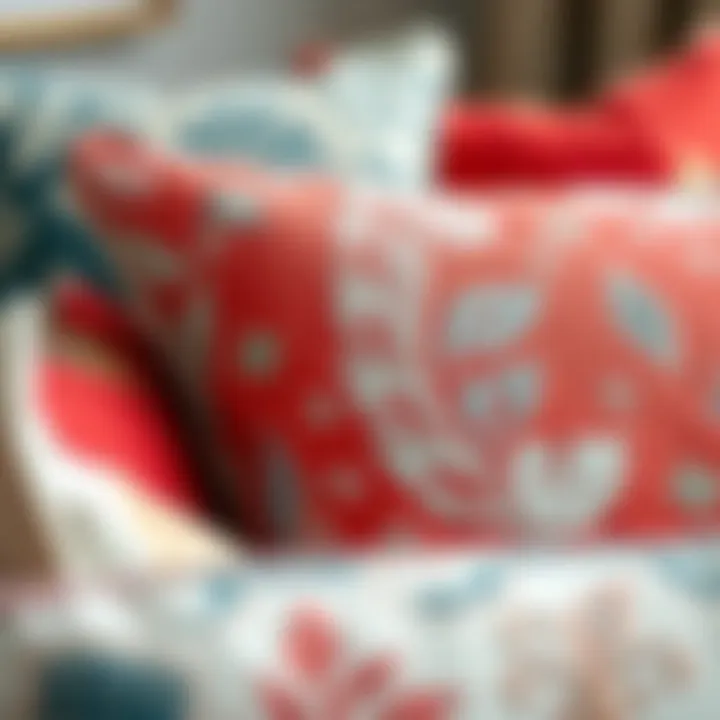
Standard square throw pillows are like the bread and butter of cushion covers. They are the most common shape and fit comfortably on couches, beds, and chairs. Their versatility is a significant advantage; they can be used in clusters or alone, providing as much or as little coverage as desired. Their symmetrical design ensures they can easily be mixed and matched with other shapes for a visually pleasing arrangement. However, they can be seen as too typical if not paired innovatively with other shapes.
Rectangular
Rectangular cushions offer a unique charm, particularly as back support for larger furniture. Their elongated shape can help break up monotony in a seating arrangement. They recreate a sense of balance when placed alongside square cushions or can serve as a secondary layer of comfort. On the flip side, their size can be somewhat limiting, especially for smaller seating areas where space is at a premium.
Novelty shapes
Novelty shapes, such as round or themed pillows, have their place in home decor. These quirky designs can serve as conversational pieces and allow for personal expression. Their distinctive look can enhance a child’s room or a cozy reading nook, offering a sense of playfulness.
However, while they can add an element of fun, novelty pillows might not always fit seamlessly with more serious or sophisticated decor styles. Placing them strategically ensures they uplift the overall design without overwhelming other elements.
The Role of Throw Pillow Cushion Covers in Home Decor
Throw pillow cushion covers play a pivotal role in home decor, serving not just as functional items, but as essential elements that enhance the overall aesthetic and comfort of living spaces. With the right choice of materials, designs, and patterns, these accessories have the power to transform a mundane environment into an inviting sanctuary.
One of the most significant benefits of throw pillow covers is their ability to introduce color and texture to any room. Without overhauling your furniture or majorly redesigning a space, simply swapping out pillow covers can provide an instant refresh to your home. Fabrics like velvet or woven textures can add depth, while bold colors can energize a space. Moreover, these covers can embody various themes or styles through their design, either weaving a cohesive look or creating an intriguing contrast with existing decor.
In addition to style, comfort is another crucial factor. Quality cushion covers, paired with fitting pillows, can make lounging much more enjoyable. They create a cozy atmosphere, lending support while also adding a plush, inviting touch. The importance of comfort cannot be overstated, especially in communal areas where families and friends gather to share moments together. Pillows can invite people to sit down, relax, and enjoy their surroundings, thereby enhancing the overall experience of the home.
Furthermore, throw pillow covers allow for customization and personal expression. They reflect the individual's taste and lifestyle, making it easier for homeowners to curate spaces that feel uniquely theirs. Changing pillow covers to align with personal or seasonal themes does not only decorate; it also tells a story about who lives in that space.
Enhancing Comfort and Style
In terms of comfort and style, the right throw pillow covers can seamlessly merge the two. A well-chosen cover can elevate the look of a chair or couch while making it more comfortable to sit on. High-quality fabrics offer a softer feel and greater durability, allowing for a luxurious touch without sacrificing everyday usability. Whether it’s a fluffy faux fur on a chilly day or a light cotton fabric in warmer weather, these choices make all the difference in how a home feels.
By selecting cushion covers that resonate with the room's color palette and furniture style, homeowners can create a harmonious design that feels put-together yet inviting. A strategic mix of different fabrics and patterns can add intrigue while ensuring the space remains cohesive. It's a marriage of art and comfort, perfectly exemplifying the versatility of throw pillows.
Thematic Decor and Seasonal Trends
The versatility of throw pillow covers also shines through their ability to adapt to thematic decor and seasonal trends. Homeowners can easily switch up their decor by changing pillow covers according to different seasons or occasions, allowing for a dynamic living environment that reflects their personal style and current trends.
Seasonal themes
Seasonal themes in throw pillow covers offer a fresh perspective on how to celebrate the changing of the seasons. For instance, autumnal shades like burnt orange and deep red can evoke a sense of warmth and coziness, complementing fall festivities. In contrast, bright pastels for spring suggest renewal and freshness, making the home feel alive.
One key characteristic of seasonal themes is their ephemeral nature; they change regularly, keeping interiors looking current. This adaptability makes them a beneficial choice for anyone who enjoys keeping up with trends without drastic measures. However, it’s worth noting that seasonal covers often require contributions to storage space, as they might not be in use year-round, leading to potential clutter.
Bohemian styles
Bohemian styles can add a unique flair to any room, characterized by their eclectic mix of patterns and textures. This aesthetic encourages creativity and embraces a free-spirited vibe, often incorporating rich colors and intricate designs. For collectors or those looking to create an airy, artistic atmosphere, Bohemian-style covers serve as an excellent choice.
A key appeal of Bohemian styles is their informal nature; they don't have to match perfectly, allowing for a more relaxed decor vibe. The disadvantage here, however, is that too much variety can lead to visual chaos. Thus, homeowners need to find a balance to avoid overwhelming their space.
Minimalistic approaches
On the other hand, minimalistic approaches focus on simplicity and function. This style champions neutral colors and clean lines, creating a serene backdrop. Choosing solid colors or subtle patterns for pillow covers not only helps unify the decor but also serves to declutter the mind and space, which can be both calm and refreshing.
One significant aspect of minimalistic designs is their timelessness; they won’t easily go out of style and can blend well with many other design elements. However, the major con is that it might come off as too stark for some tastes. The key is ensuring comfort through texture while maintaining a clean aesthetic.
In summary, throw pillow cushion covers are intrinsic to the art of home decor, adding layers of comfort, style, customization, and adaptability to living spaces. The careful selection of colors, patterns, and themes can create a welcoming atmosphere that reflects individual taste while providing aesthetic and practical benefits.
Maintenance and Care for Throw Pillow Cushion Covers
When it comes to throw pillow cushion covers, maintenance and care hold significant weight in prolonging their life and enhancing their aesthetic appeal. These covers not only play a role in comfort but also make a massive impact on the overall design of your space. Understanding how to care for them correctly can save both time and money down the line while keeping your decor looking sharp.
Cleaning Methods for Different Fabrics
Machine washing
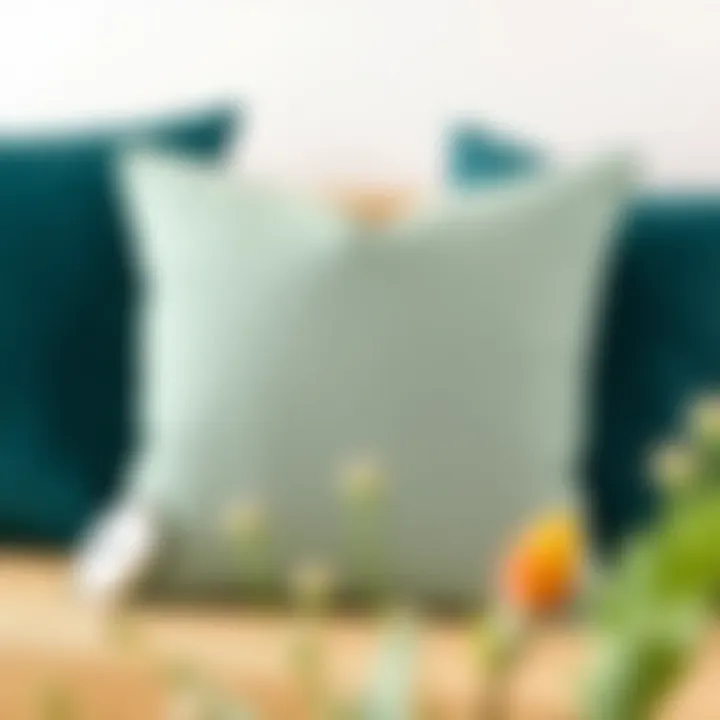
Machine washing is often the go-to option for maintaining throw pillow cushion covers. This method is particularly favored due to its time-efficient nature. Simply toss the covers in the washing machine, add your favorite detergent, and let the machine do the heavy lifting. It's worth noting that many fabrics, especially those like polyester, are designed to hold up well in a washing machine.
Key characteristic: The convenience of machine washing can't be overstated—it saves time, which is particularly beneficial for busy individuals.
Unique feature: However, it does require understanding your fabric's capabilities. For instance, delicate materials like silk are not cut out for the machine, while more robust fabrics may emerge from the wash unscathed.
Advantages might include:
- Time-saving convenience
- Consistent cleaning results
Disadvantages to consider include:
- Potential for wear and tear on delicate fabrics
- Risk of shrinking or color fading
Hand washing
Hand washing, while generally requiring more effort, is a more gentle approach for sensitive fabrics and intricate designs. It can be particularly effective for those treasured covers that add a pop of color or texture to your room. By using cool water and mild detergent, you can effectively clean your covers without risking damage.
Key characteristic: The careful attention hand washing requires makes it a popular choice for those wanting to maintain the integrity of luxury materials.
Unique feature: This method allows for more controlled cleaning, as you can easily treat specific stains without subjecting the entire piece to more intensive cleaning methods.
Advantages include:
- Gentler on delicate fabrics
- Customized attention to stains
However, keep in mind its disadvantages:
- More time consuming than machine washing
- May still require thorough rinsing to get rid of all soap residue
Spot cleaning
Spot cleaning is another practical method worth mentioning. It involves using a damp cloth along with a gentle detergent to target specific stains rather than submerging the entire cushion cover in water. This is particularly useful for covers used in high-traffic areas.
Key characteristic: Spot cleaning is hugely beneficial when immediate attention is needed, such as crumb spills or drink accidents.
Unique feature: This method is a lifesaver for maintaining pristine covers, preventing the need for frequent full washes that can lead to more wear and tear.
The advantages include:
- Quick and efficient for small messes
- Preserves the life of the entire cover by limiting exposure to washing cycles
Yet its disadvantages can be tricky:
- May not remove deep-set stains effectively
- Requires a close eye to catch stains when they happen
Storage Solutions
When not in use, storing your throw pillow cushion covers correctly can also impact their longevity. Use breathable storage bags or boxes to prevent dust accumulation and wrinkling. If possible, keep them folded neatly to avoid creases, especially for materials that can be sensitive to deformation. Also, avoid storing them in damp locations to prevent mold and mildew.
Considerations for storage include:
- Location: Choose a dry, cool space.
- Protection: Use fabric bags rather than plastic ones.
- Organization: Label bags if you have various styles, making it easier to swap covers seasonally.
By following the proper maintenance and care techniques for throw pillow cushion covers, you lay the groundwork for a long-lasting relationship that keeps your interiors both stylish and functional.
Sustainability and Ethical Considerations
In today’s world, where environmental issues are at the forefront, discussing sustainability and ethical considerations in the realm of throw pillow cushion covers is more crucial than ever. This segment aims to shed light on how our choices in materials and production processes can make a profound impact on the environment and society. It's about fostering awareness and emphasizing the benefits of making conscious decisions when it comes to home decor.
Eco-Friendly Fabric Choices
Organic materials
Organic materials, such as cotton and linen grown without synthetic pesticides or fertilizers, are the backbone of sustainable fabric options. The key characteristic of organic materials lies in their cultivation methods, which supports biodiversity and reduces harmful chemical exposure to soil and water. This makes them a popular choice among eco-conscious consumers who want to minimize their carbon footprint while enhancing their living spaces.
One unique feature of organic materials is their softness. Unlike conventionally grown fabrics, they often feel gentler on the skin. Additionally, they are biodegradable, offering a significant advantage in waste reduction. However, the downsides can include higher costs and limited availability compared to traditional fabrics.
Recycled options
Recycled options are another way to approach sustainability in throw pillow cushion covers. These fabrics are generally created from post-consumer waste like plastic bottles or textile scraps. What makes recycled options appealing is their potential to divert waste from landfills, turning trash into treasure. The process of creating these fabrics often has a lower environmental impact compared to producing new materials.
A unique aspect is how these fabrics can be transformed into stylish and modern designs without compromising quality. Nevertheless, one must be cautious; not all recycled fabrics are created equal. Some may require considerable energy to process, so thorough research into manufacturers is advisable.
Sustainable production practices
Sustainable production practices play an integral role in the overall sustainability of throw pillow cushion covers. These practices range from using energy-efficient machinery to ensuring fair labor conditions and minimizing water usage during the manufacturing processes. An essential characteristic of sustainable production is transparency; companies often provide clear information about their sourcing and production methods, which helps consumers make informed choices.
The unique feature here is that choosing brands that adhere to these practices not only supports environmental stewardship but also promotes ethical labor standards. On the flip side, the challenges include potentially higher prices and limited availability, but the benefits often outweigh these concerns when looking at the bigger picture.
The Impact of Mass Production
Mass production, although efficient, poses serious threats to sustainability. A significant number of throw pillow covers today are produced in bulk without concern for environmental impacts. This often means poor quality materials used simply for profit and more waste due to shortened lifespans of products. The sheer volume of disposable decor items leads to increased waste in landfills and greater resource consumption.
Furthermore, when businesses prioritize low-cost production over sustainable methods, it can create a cycle that undermines smaller, responsible producers aiming for ethical practices. The fashion industry can be a prime example. As consumers, making informed choices about where our decor comes from and how it’s made can divert the trend toward ethical consumerism.