Thick Sole Loafers: Style and Impact Explored
Intro
In the realm of contemporary fashion, thick sole loafers have carved out a distinct niche that blends style and function seamlessly. Far from being a mere footnote in the saga of footwear, these loafers embody an aesthetic that is both nostalgic and future-facing. As we navigate the intertwining pathways of history, design, and consumer behavior, this exploration will shine a light on why thick sole loafers are more than just trendy accessories. It’s time we delve into the essence of these shoes, and uncover what makes them so appealing in today's sartorial landscape.
Fashion Trends and Insights
Current Trends in Clothing Styles
Fashion, much like a river, flows in unpredictable directions, often circling back to its roots. The resurgence of thick sole loafers aligns beautifully with the current shift towards practicality and comfort in style. Today’s fashion aficionados are not just after a pretty pair of shoes; they’re searching for pieces that elevate their ensemble while providing ease. This craving has ushered thick sole loafers into the limelight, pairing them with everything from tailored suits to flowing dresses.
- Key Elements of Current Fashion:
- Mixing traditional styles with modern silhouettes.
- Neutral and earth tones dominating wardrobes.
- Emphasis on textures and layering.
Thick sole loafers can seamlessly integrate into this trendy framework, serving as a robust foundation for various looks. Their versatility is noteworthy. Whether it’s a casual day out or a professional setting, these loafers adapt without putting a foot wrong.
Influential Fashion Icons and Movements
To truly grasp the impact of thick sole loafers, one must consider the icons who proudly flaunt them. Celebrities and influencers have played a pivotal role in rekindling interest in this style. Think of figures like Anna Wintour, who often pairs loafers with impeccably cut suits, or models like Bella Hadid, who proves that these shoes transition beautifully from casual to high-fashion attire.
- Movement Influences:
- The rise of streetwear and casual chic.
- Increased focus on individual style rather than strictly adhering to seasonal trends.
- A noticeable shift towards androgynous fashion; thick sole loafers are often embraced by all genders, which enhances their appeal.
This blending of high and low fashion not only piques consumer interests but also enables designers to rethink how loafers can be constructed, colored, and worn.
Sustainable Fashion Practices
Eco-Friendly Fabrics and Materials
With the growing concern about environmental sustainability, thick sole loafers are not untouched by this wave. Many brands are now choosing materials that are not only stylish but also eco-friendly. Designers are turning to sustainable options like recycled plastic, organic cotton, or vegan leather alternatives. Innovations in manufacturing processes are also on the rise, reducing waste and emphasizing ethical production.
- Popular Sustainable Materials:
- Cork: Lightweight and breathable.
- Rubber: Recycled rubber soles become a norm.
- Organic cotton: Naturally cultivated without harmful chemicals.
These materials contribute to the loafers being appealing not just in style but also in ethos, aligning with consumers who increasingly prefer brands that resonate with their values.
Tips for Building a Sustainable Wardrobe
In the quest for a sustainable wardrobe, incorporating thick sole loafers can be a starting point. Here are some practical tips:
- Research before you buy: Understand the brand's sustainability practices.
- Invest in quality: A well-made pair of loafers lasts longer, reducing waste.
- Opt for timeless styles: Choose designs that won't go out of fashion quickly.
- Mix and match: Experiment with various outfits to maximize usage.
Each step amplifies the impact of individual choices in cultivating a sustainable approach to fashion.
"Thick sole loafers are not just a passing trend; they're a convergence of style, comfort, and sustainability that echoes through the fabric of modern fashion."
As we conclude this exploration, it becomes clear that thick sole loafers symbolize a shift in consumer aspirations towards a balance of aesthetics and functionality. Whether it’s their styling versatility, the innovative materials being used, or the cultural shifts that have reinvigorated their popularity, these loafers are here to stay.
Prologue to Thick Sole Loafers
When we think about the world of fashion, few items can stand the test of time as effectively as the thick sole loafer. This article seeks to shine a light on this particular footwear not just as a trend but as a complex blend of style, history, and cultural significance. Understanding thick sole loafers demands an appreciation for their multifaceted nature, from their definition to their evolution and relevance in today’s society.
Definition and Distinction
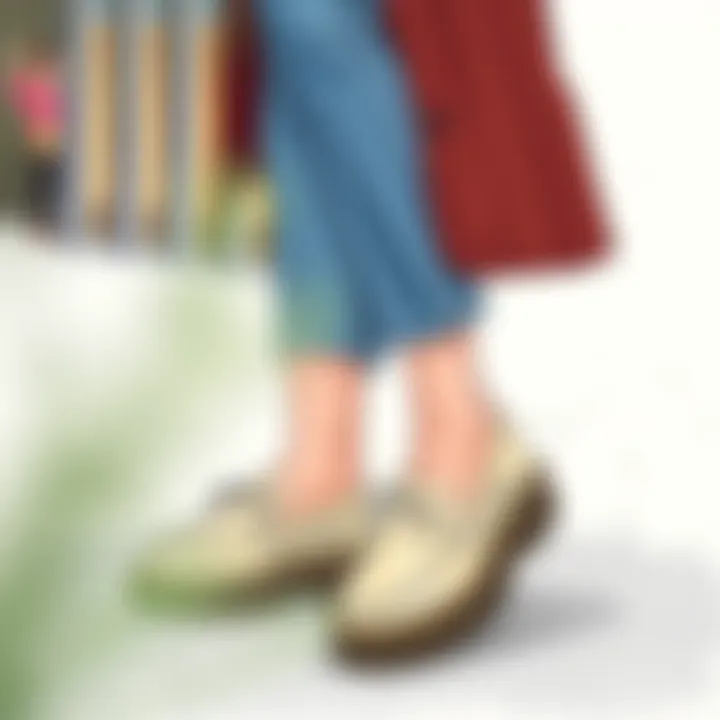
Thick sole loafers are characterized by their significantly raised outsole compared to traditional loafers, giving them a distinctive profile. These shoes represent a shift in footwear design that embraces both comfort and aesthetic appeal. Unlike their more delicate counterparts, the thick soles not only provide cushioning but also create a commanding presence. Typically crafted from leather or synthetic materials, they straddle the line between classic and contemporary, catering to a wide range of fashion sensibilities.
Historical Evolution
The journey of thick sole loafers can be traced back to various cultural influences, with their roots primarily in the 20th century. Originally, loafers were designed as casual wear for men. However, as the decades rolled by, they transitioned, gaining traction among both genders, thanks in part to fashion icons who adopted them. The late 20th century gave rise to heavier, more robust designs as comfort became a non-negotiable factor in footwear selection. Notable was the influence of style movements that revolved around both punk and high fashion, showcasing how thick-soled loafers could serve as a statement piece in any wardrobe.
Cultural Relevance
These loafers are not merely footwear; they symbolize a confluence of comfort and rebellion, sophistication and ease. In various cultural contexts, they have been associated with artistic communities, from designers to musicians, underscoring their versatility. Think of how they were artfully worn by the likes of Kurt Cobain or even on the runways of high-fashion shows. In every corner of society, from art galleries to office spaces, thick sole loafers find themselves at home. Their mainstream resurgence speaks volumes about the current fashion climate—one that values individuality while still craving traditional styles.
"Footwear is not just an accessory; it reflects who we are and what we stand for. Thick sole loafers, in their own right, represent a journey through design and identity."
In sum, this introduction elucidates why thick sole loafers deserve attention beyond simple fashion discussions. As part of a more extensive narrative, they fulfill both functional and symbolic roles, making them essential not just for those who wear them but also for fashion enthusiasts and critics alike.
Design Characteristics
The design characteristics of thick sole loafers play a pivotal role in shaping their identity within the fashion landscape. This section will delve into the key elements that make these loafers not only stylish but functional as well. From the materials used to the innovative structure of the soles, every aspect contributes to their allure and practicality. Understanding these characteristics is essential for designers, retailers, and consumers who want to make informed choices in today's diverse marketplace.
Material Composition
Leather Variations
Leather has been a staple in footwear for centuries, and variations in leather truly resonate with the essence of thick sole loafers. One key aspect of leather is its breathability. High-quality leather allows air to circulate, making it comfortable for prolonged wear.
For instance, full-grain leather stands tall, known for its durability and natural finish. This variant not only develops a distinctive patina over time but also represents elegance and sophistication. On the downside, it can be more expensive, limiting its accessibility.
Another popular choice is suede, recognized for its softer texture. Suede adds a casual flair to loafers, affecting the overall aesthetic. However, it requires more care and can be less durable in wet conditions.
"Leather types can make or break the character of a loafer. It’s not just about looks; it’s about how they wear over time."
Ultimately, leather variations bring a rich tapestry of options suited for different styles and preferences.
Synthetic Alternatives
The rise of synthetic materials has also marked a significant shift in the footwear industry. A notable characteristic of synthetic alternatives is their versatility and affordability. Brands utilize synthetic leather to produce stylish loafers that mimic the look and feel of traditional leather but at a fraction of the cost.
Moreover, microfiber is an example of a synthetic material that has gained traction, praised for its lightweight properties. It’s often water-resistant and incredibly easy to clean, making it a practical choice for daily wear. Conversely, synthetic materials may not offer the same longevity or breathability as natural leather, leading some consumers to choose them for short-term usage rather than as a long-term investment.
Despite their drawbacks, synthetic options cater to a broader audience, thus enhancing variety in the market.
Ecological Considerations
With sustainability taking center stage today, the ecological aspect of materials cannot be overlooked. Eco-friendly materials represent a growing trend in the footwear industry, responding to consumers' increasing demand for sustainability.
Recycled materials and plant-based leathers are two innovative options that showcase commitment to environmental responsibility. Brands increasingly focus on reducing their carbon footprint by adopting practices that not only benefit the earth but also appeal to eco-conscious consumers.
However, a challenge often arises: some consumers question the durability of these materials over traditional leather. The reality is that while these materials may require a different approach to care and maintenance, their impact on reducing waste is undeniably significant. The journey of ecological considerations in the production of loafers reflects a progressive shift in consumer behavior and industrial standards.
Sole Structure Overview
Thickness Dynamics
The thickness of the sole in thick sole loafers defines not only their comfort but their style. A critical characteristic of thickness dynamics is its ability to provide cushioning and shock absorption. A well-designed thick sole can soften the impact on the foot, important for long hours of wear.
Take for instance the chunky soles that have come into fashion recently. They bring a bold statement, available in various styles and heights. The downside is that excessive thickness can lead to stiffness in the shoe, affecting flexibility.
Exploring thickness in loafers is crucial. Finding the right balance enhances appeal without sacrificing comfort.
Grip and Support
When discussing good footwear, grip and support are paramount. Thick soles are typically equipped with features such as rubber outsoles which offer exceptional traction. A good grip is essential in urban settings or slippery conditions, ensuring that wearers maintain stability and comfort.
On the other hand, too much emphasis on grip can sometimes lead to bulkiness, potentially altering the sleek look that many desire in loafers. The challenge lies in merging grip with aesthetics, ensuring that style does not take a back seat to practicality.
Durability Factors
Durability is a central tenet of thick sole loafers' appeal. The materials and design decisions influence how long a loafer can withstand daily wear. Key to durability is the construction method, where techniques such as Goodyear welting enhance longevity by binding the upper and sole together securely.
Moreover, examining the rubber composition used in soles can reveal significant differences. Harder compounds can wear down less easily but may compromise comfort. A harmonious combination of durability and comfort creates an investment piece for the discerning consumer.
Styling Varieties
Classic vs. Contemporary
The conversation around classic versus contemporary styling in loafers circles around how traditional designs merge with modern aesthetics. Classic loafers often feature timeless silhouettes, conveying an effortless elegance, appropriate for a range of occasions.
In contrast, contemporary styles introduce bold colors and unique patterns, appealing to a younger demographic seeking individuality. The beauty of this fusion showcases a versatility that can fit both professional and casual settings.
However, classic designs may lack some trendy appeal, while contemporary styles might not resonate with those who favor tradition. It’s a tug-of-war that reflects the dynamic nature of current fashion.
Casual vs. Formal
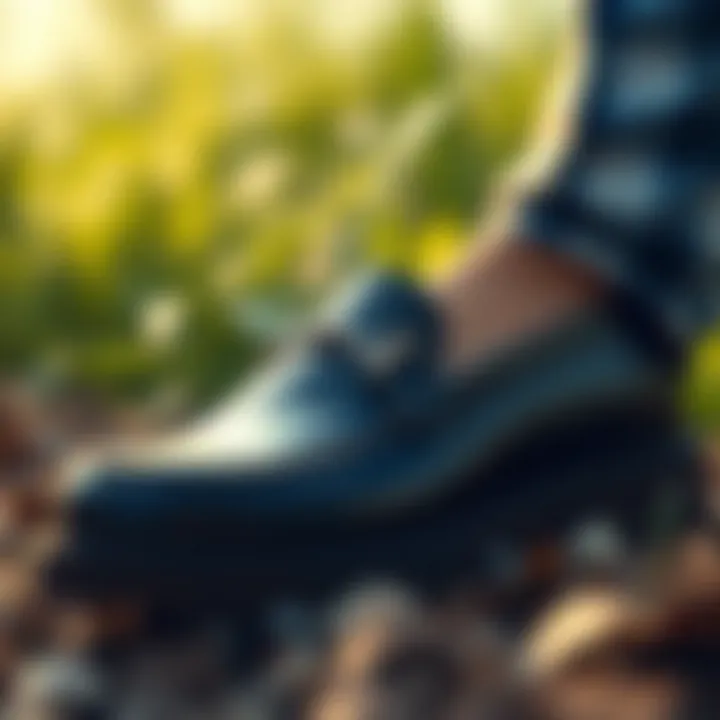
Understanding the casual versus formal divide is essential for styling thick sole loafers correctly. Casual loafers may come in vibrant colors or playful fabrics, perfect for relaxed settings. They encourage personal expression without losing comfort.
Formal loafers, however, tend to adhere to classic colors, often made of polished leather. They thrive in professional environments but might be less adaptable for casual outings. The line between the two styles has blurred as fashion evolves, compelling wearers to experiment and find their unique voice through footwear.
Gender Fluidity in Design
The increasing recognition of gender fluidity in design has had a profound impact on the loafers' landscape. Designers are now creating styles that cater to all genders, thereby breaking down traditional barriers. The beauty of gender-fluid loafers lies in their ability to become versatile wardrobe staples. They are often designed with unisex silhouettes and colors, appealing to diverse consumers.
This shift not only reflects modern values around inclusivity but also expands the market, encouraging brands to innovate beyond conventional designs. As a result, the styles can fit various body types and personal aesthetics, showcasing how elevated, thoughtful fashion can transcend gender norms.
Ultimately, the design characteristics of thick sole loafers delineate their market position. It is this intricate balance of material, structural integrity, and styling considerations that sets them apart as a significant player in contemporary fashion.
Comfort and Wearability Aspects
Understanding the significance of comfort and wearability in thick sole loafers goes beyond mere aesthetics. These aspects are crucial because they can dramatically affect a person’s daily experience with footwear. Loafers that meld style with comfort invite individuals not just to wear them but to embrace them as part of their identity.
Ergonomic Considerations
Foot Health Implications
Foot health holds paramount importance in selecting footwear, and thick sole loafers present unique advantages in this context. Often, these loafers feature cushioned insoles that conform to the foot’s arch, providing essential support. This characteristic is highly beneficial for individuals who spend extended periods on their feet. Vibrant lifestyles demand shoes that mitigate discomfort, and loafers developed with ergonomics in mind can alleviate strain on the feet, reducing the risk of conditions such as plantar fasciitis. However, not all loafers are created equal; it's essential to scrutinize the materials used.
One unique feature of many high-quality thick sole loafers is their sweat-absorbing linings that help maintain a comfortable environment for the foot. This is a significant bonus in warmer climates or during long outings. Yet, while these health-centric features make them appealing, they may come at a higher price point, pushing some consumers toward less supportive alternatives.
Ankle Support Features
Another aspect worth discussing is ankle support features, which can vary widely among thick sole loafers. Some designs incorporate a higher back or supportive collar, providing increased stability for the ankle. This characteristic is not only beneficial for comfort but can also prevent certain injuries, making these loafers a wise choice for those often on the go.
More than just looks, some styles integrate anatomical shapes that promote an optimal gait, creating a balance between chic design and practical need. However, the trade-off could be reduced flexibility; for instance, while a firmer collar aids in foot stability, it may require some adjustment from the wearer. Thus, it's prudent to try on various makes before settling on a pair.
Breaking In Period
The breaking-in period of thick sole loafers is often a subject of contention among footwear enthusiasts. Most loafers have a period where they feel stiff initially. Unlike more flexible options, too firm a construction may lead to blisters or discomfort. It’s important to note that some makers craft loafers in a way that minimizes discomfort from the get-go. Thus, shoppers should be mindful and always try before buying.
Long-Term Use Considerations
When it comes to long-term use, thick sole loafers shine due to their durable materials and construction. The robust soles typically withstand wear and tear, extending the life of the shoes significantly when compared to traditional loafers. Wearers often find that over time, their loafers develop a personalized fit, enhancing comfort further.
Additionally, consumers should think about maintenance. Regular cleaning and conditioning can keep the material looking fresh, ensuring they don't just serve their purpose in terms of comfort but also maintain their visual appeal. This proves essential for professionals or anyone aiming to make a lasting impression with their footwear.
Styling Tips and Techniques
In the world of fashion, the way one styles thick sole loafers can significantly elevate an outfit to new heights. This section focuses on how to integrate these loafers into various looks, catering to differing occasions and aesthetics. Understanding the nuances in pairing them with outfits helps highlight their versatility while ensuring a polished appearance.
Pairing with Outfits
Tailored Attire
When thick sole loafers meet tailored attire, a striking harmony is born. Tailored pieces, such as blazers and fitted trousers, emphasize a structured silhouette, providing a sharp contrast to the chunky nature of loafers. These shoes bring an unexpected twist by adding a contemporary edge to classic ensembles. With thick soles, wearers can maintain comfort without skimping on elegance. The key characteristic here is the balance; the loafers' bulkiness is balanced by the sleek lines of tailored clothing, allowing for an outfit that is both chic and approachable.
The unique feature of tailored attire combined with these loafers is the ability to play with proportions. A fitted blazer paired with slightly oversized trousers can create a fashionable, fashion-forward look. However, one should tread carefully; choosing the wrong cut can lead to an unflattering appearance, potentially dwarving one's frame beneath the loafers' ample soles.
Casual Wear
On the other end of the spectrum lies casual wear, where thick sole loafers can shine as versatile companions. Think of them paired with chinos, denim, or even joggers—these shoes can lend a dose of refinement to relaxed looks. The comfort offered by loafers complements a laid-back style, making it an ideal choice for casual outings or social gatherings.
The unique feature of casual wear is its inherent ability to meld comfort with style. Thick sole loafers offer just enough flair to elevate a simple t-shirt and jeans combo into something more pulled together without making it feel too formal. However, it is essential to note that certain casual styles can overwhelm the loafers, especially with overly baggy clothing.
Seasonal Adaptations
As seasons change, so do fashion choices. Adaptability is a hallmark of thick sole loafers, as they seamlessly transition through different times of the year. In spring and summer, these shoes pair well with lighter fabrics, such as linen or cotton, and can be worn without socks for a breezy feel. When autumn and winter roll in, loafers can easily be worn with thicker materials like wool or layered with socks for additional warmth.
The prominent characteristic of seasonal adaptation lies in the ability to match the loafers' materials to the climate, ensuring that both function and style are preserved. A unique feature here is the potential for color adjustments; darker hues are often favored in winter, while brighter shades provide a welcomed pop in the warmer months. Yet, too much emphasis on seasonal trends can risk the timelessness of the loafers, losing the foundational qualities that make them a staple item.
Accessorizing with Thick Sole Loafers
Accessorizing can significantly impact the overall effectiveness of an outfit featuring thick sole loafers. Consider the use of belts that complement shoe colors, bags that align with the outfit's aesthetic, or even layered necklaces that draw attention. Choosing the right accessories can showcase the loafers as an anchoring piece.
Color Coordination Strategies
Lastly, color coordination is paramount when styling thick sole loafers. Whether opting for tonal outfits or contrasting palettes, understanding the color wheel can facilitate cohesive looks. Mixing neutrals with a pop of color can offer a refreshing approach. Nonetheless, ensuring that the loafers blend harmoniously with the overall outfit is important to avoid clashes.
Market Trends and Consumer Preferences
The world of fashion, much like a tightrope walker, constantly balances between tradition and innovation. Thick sole loafers have successfully found their footing in this delicate dance, drawing considerable attention from various consumer demographics. As these shoes rise in prominence, an understanding of market trends and what drives consumer preferences becomes essential. In this section, we will delve into the current market dynamics surrounding thick sole loafers, highlighting specific elements that underscore their appeal.
Sales Growth Analysis
Sales figures for thick sole loafers depict a clear and compelling narrative. Recent analyses suggest a significant increase in sales over the past few years, with estimates showing a rise of approximately 20% in some markets. This surge is attributed to a variety of factors:
- Changing Consumer Preferences: There is a palpable shift among consumers towards footwear that balances style and comfort. Thick soles provide a cushioning effect that appeals to those who prioritize foot health.
- Diversity in Style: The modern designs cater to a wide range of aesthetics, from minimalist to bold graphic styles, broadening their market appeal.
- Accessibility: Retailers are increasingly stocking thick sole loafers, making them easier to purchase both in-store and online.
This growth trajectory suggests that investors and retailers should pay attention. The rising interest indicates a market ripe for exploration and expansion.
Influence of Social Media
Social media acts as the megaphone for contemporary trends, and thick sole loafers are no exception. Platforms like Instagram and Pinterest serve as visual showcases where influencers showcase their fashion choices. This peer-to-peer sharing fosters community discussions around footwear choices while amplifying the attributes of thick sole loafers. Some key influences include:
- Fashion Influencers: Key figures often spotlight their style choices, positioning thick sole loafers as an integral part of on-trend looks. The visual appeal garners organic interest among followers.
- User-generated Content: Hashtags related to these loafers, such as #ThickSoleStyle, generate a plethora of posts demonstrating how real people incorporate these shoes into their wardrobe. This creates authenticity around the product.
- Brand Collaborations: Many shoe brands collaborate with social media influencers to create limited-edition models that catch public attention. This strategy not only engages existing customers but also entices new ones.
Overall, the influence of social media provides a vibrant pulse on consumer interest and can dramatically shift market trends.
Sustainability Demand
Another significant factor influencing consumer preference is the increasing demand for sustainable fashion. Thick sole loafers have been making strides in addressing these environmentally-conscious inclinations. Here’s how:
- Eco-friendly Materials: Brands are exploring sustainable alternatives like recycled plastics or organic leathers, which align with the growing consumer preference for environmentally responsible products.
- Ethical Production Practices: An increased focus on ethical labor practices accompanies the push for sustainability. Consumers are drawn to brands that demonstrate a commitment to fair and humane working conditions.
- Longevity: Thicker soles not only add comfort but also enhance durability, encouraging a mindset around longevity over disposable fashion. Consumers are increasingly valuing investment pieces.
Sustainability isn't just a buzzword anymore; it has morphed into an expectation, and brands adopting these practices are well-positioned to capitalize on this sensibility.
"Today's consumers prioritize quality and ethics, presuming that a product must not only look good but also do good."
Embracing the trends within the thick sole loafer market reflects a broader shift in consumer behavior. As retailers and designers navigate this landscape, aligning their strategies with these emerging trends will be critical. Through a balance of strong sales, social media influence, and dedication to sustainability, thick sole loafers not only stand on solid ground but are poised for remarkable growth.
The Future of Thick Sole Loafers
The future of thick sole loafers is not just a passing trend but a reflection of evolving social attitudes toward fashion, comfort, and sustainability. As the lines between casual and formal attire blur, these footwear choices are becoming increasingly integral to a versatile wardrobe. For designers, retailers, and influencers alike, understanding the shifting landscape of thick sole loafers provides essential insight into where the industry is heading.
Innovative Design Directions
The design of thick sole loafers is set to head down some intriguing paths in the coming years. Imagine loafers with modular components that allow users to customize colorways or add removable accessories, like decorative straps or charms. This level of personalization not only caters to individual tastes but also invites a dialogue about self-expression through clothing.
Additionally, designers are likely to experiment more with asymmetrical shapes or unconventional silhouettes, deviating from traditional proportions to create fresh and eye-catching looks. By integrating diverse cultural designs or inspirations, the loafers could tell more complex stories – demonstrating a fusion of heritage and contemporary style.
Moreover, biomimicry could become a buzzword in this arena, where designers draw inspiration from nature to craft loafers that are not only stylish but also functional in an organic sense. Imagine soles inspired by the grooves of a gecko's foot, enhancing grip without compromising aesthetics.
Technological Advancements
The application of technology in shoe design is nowhere near slowing down. Expect to see thick sole loafers incorporating smart textiles that react to temperature variations, adjust their grip based on surface conditions, or even feature built-in health monitoring systems that track foot pressure and gait.
Further innovations might include 3D printing technology, which allows for highly personalized fits and designs that were once unimaginable. Retailers may adopt this technology to reduce waste, as each pair could be tailor-made to the customer's unique foot shape, lowering the risk of returns and enhancing customer satisfaction.
Companies are also bound to explore eco-friendly productions, using innovations like plant-based synthetic materials that mimic leather's luxe feel without compromising environmental integrity. This will not only appeal to mindful consumers but also demonstrate a commitment to sustainable practices.
Cultural Impact Projections
As thick sole loafers continue to carve out their niche in the fashion landscape, their cultural impact is poised for significant growth. As the workplace becomes less rigid and casual attire thrives, these loafers may serve as a symbol of this cultural shift – a nod toward comfort without sacrificing style.
Moreover, the influence of social media will play a pivotal role in shaping perceptions and driving popularity. With platforms like Instagram and TikTok being visual-first, influencers showcasing vibrant loafers paired with varied outfits can sway trends and preferences within milliseconds. As more people adopt these styles, they can become markers of authenticity and individuality, representing varied identities rather than just a fashion accessory.
In summary, the future of thick sole loafers encapsulates a rich amalgamation of innovative designs, technological advancements, and cultural reverberations that promise to keep them relevant and respected in the ever-changing world of fashion. With the right vision and demand for sustainability, these loafers are not only here to stay but to thrive.
Epilogue
The exploration of thick sole loafers offers a multifaceted view of their significance in today’s fashion landscape. This article has illuminated not only the stylish appeal but also the functional aspects these loafers bring to various outfits and occasions.
Summary of Insights
The discussion traced the origins of thick sole loafers, connecting historical trends to modern-day preferences. Several crucial insights emerged:
- Design Versatility: Thick sole loafers can be molded to fit both casual and formal settings. This makes them suitable for a range of wardrobes, a feature that enhances their attractiveness to designers and consumers alike.
- Comfort and Function: The emphasis on ergonomic design promotes foot health, which many consumers are increasingly prioritizing. Factors like ankle support and cushioning contribute to the popularity of these loafers.
- Sustainability: As the fashion industry moves towards more sustainable practices, the choice of materials and production methods for thick sole loafers reflects this shift. Eco-friendly options play a vital role in consumer decision-making.
- Cultural Relevance: It’s clear that thick sole loafers are not just footwear; they represent a style statement that dialogues with cultural movements and social media trends, influencing public perception and acceptance.
Final Thoughts on Appreciation
As we wrap up this discussion, it’s pertinent to recognize that thick sole loafers are more than just a passing trend. Their role in fashion is underscored by the blend of durability, aesthetic appeal, and cultural significance that they carry. For designers, retailers, and consumers, appreciating these loafers involves understanding not just their physical attributes but also what they signify within the broader tapestry of contemporary culture. The resurgence of such footwear encourages a thoughtful approach to personal style, emphasizing that choices in fashion can reflect one's values and lifestyle.
Ultimately, the elevation of thick sole loafers highlights a thoughtful intersection of craftsmanship, sustainability, and personal expression. The appreciation for such stylish footwear invites all of us to rethink our approach to fashion, considering both its impact and its potential for individual storytelling in everyday life.
"Fashion is the armor to survive the reality of everyday life." – Bill Cunningham
For more insights on fashion principles and trends, visit Wikipedia, Britannica, or participate in discussions on Reddit.
By keeping an open mind towards the evolving nature of fashion, particularly in the case of items like thick sole loafers, we can ensure that our wardrobes not only reflect personal style but also resonate with larger global movements.