
Exploring Small Flower Appliques in Fashion Design
Intro
In the realm of fashion, the details often make the difference. One such detail, which has persisted through time, is the small flower applique. These delicate additions are more than mere embellishments; they tell a story of tradition, artistry, and personal expression. From vintage dresses adorned with crochet petals to modern-day garments featuring intricate fabric blossoms, small flower appliques have woven their way through the fabric of fashion history.
This article aims to illuminate the multifaceted world of small flower appliques. By examining their historical roots, contemporary significance, and their role in embracing sustainable practices, we will explore how these embellishments not only enhance garment design but also allow for individual creativity. As we journey through this narrative, we will highlight current trends, influential fashion movements, and practical tips for incorporating these charming elements into one’s wardrobe.
Fashion Trends and Insights
Current Trends in Clothing Styles
Today’s fashion landscape sees a rich tapestry of styles, often cycling through themes of nostalgia and modernity. Small flower appliques are experiencing a renaissance, surfacing on everything from casual streetwear to upscale haute couture. The trend of layering and mixed materials allows for the introduction of these floral accents in unexpected ways.
Some notable trends include:
- Patchwork Denim: Jeans featuring floral appliques add a touch of whimsy to what is typically considered a basic wardrobe staple.
- Athleisure: Comfortable wear now frequently integrates embellishments, allowing for a personal statement in activewear.
- Eco-Conscious Designs: Designers are increasingly experimenting with sustainably sourced fabrics, using floral appliques as a means to highlight their commitment to environmental responsibility.
Influential Fashion Icons and Movements
Several fashion icons and movements have propelled floral appliques into the limelight. Think of the bohemian styles championed by figures like Kate Moss in the early 2000s. The carefree aesthetic often featured flowy garments adorned with small flower pieces, resulting in an overall ethereal vibe. Designers such as Alexander McQueen and Vivienne Westwood have also drawn inspiration from floral details, blending rebellious motifs with delicate touches.
Furthermore, fashion movements like the slow fashion initiative encourage the embrace of small flower appliques not only as decoration but as a means of storytelling through sustainably sourced materials. These movements advocate for a thoughtful approach to design, emphasizing quality over quantity, which resonates deeply in today’s market.
Sustainable Fashion Practices
Eco-Friendly Fabrics and Materials
Sustainable fashion is no longer just a buzzword; it’s a fundamental shift in how the industry operates. Use of organic cotton, linen, bamboo, and recycled polyester has become more common, and these fabrics often make for an ideal backdrop for small flower appliques. The choice of materials can enhance the story behind each piece.
Some eco-friendly approaches include:
- Natural Dyes: Employing vegetable and fruit-based dyes to color fabrics, thus minimizing chemical runoff.
- Upcycled Fabrics: Turning old garments into new designs with the addition of floral embellishments can dramatically reduce textile waste.
Tips for Building a Sustainable Wardrobe
Creating a wardrobe that reflects personal style while emphasizing sustainability is achievable. Here are some tips:
- Invest in Quality: Choose garments that utilize durable materials and timeless designs.
- Mix and Match: Incorporate small flower appliques to refresh older items, giving them a new life without purchasing new pieces.
- Educate Yourself: Stay informed on ethical brands that prioritize sustainable practices in their production processes. Good resources might include fashionrevolution.org or sustainablefashionforum.com.
By infusing your wardrobe with small flower appliques, not only do you embrace creativity, you also participate in a larger movement toward sustainability. As we further explore the art and application of these charming designs, one can discover how they transcend mere decoration to become symbols of personal and environmental consciousness.
Preface to Small Flower Appliques
The allure of small flower appliques in fashion lies not only in their aesthetic appeal but also in their versatility and cultural significance. As embellishments that can express individuality, these tiny artworks add a unique touch to garments, allowing designers and wearers alike to personalize their style. By integrating small flower appliques, one can transform a plain fabric into something extraordinary, breathing life into everyday attire.
Definition and Overview
Small flower appliques are essentially decorative patches or pieces of fabric shaped like flowers, sewn or glued onto a larger fabric. They can vary in size, color, and material, making them a favored choice among designers and crafter. Some may prefer delicate lace flowers for a vintage vibe, while others might opt for vibrant cotton blooms to convey a more playful spirit.
These appliques serve various functions – from merely ornamental to adding texture and layers to a garment. By their nature, they can turn simple pieces into statement fashion items, enhancing any wardrobe with a touch of creativity.
Historical Significance in Fashion
The history of flower appliques in fashion is rich and diverse, echoing cultural shifts and celebrations throughout time. One can trace their origins back centuries, where in various cultures, they were not only symbols of beauty but also of importance. For example, in the intricate embroideries of Indian textiles, floral patterns have historically indicated wealth and status.
During the Victorian era, the application of floral motifs surged, symbolizing both romanticism and elegance. Garments adorned with flower appliques became increasingly popular as women expressed their identities through fashion. In today's modern age, the revival of retro trends has seen a resurgence in the popularity of these artistic pieces, often seen on runways from New York to Paris.
"Fashion is a language that creates itself in clothes to interpret reality." — Karl Lagerfeld
The small flower applique is thus not merely a decorative piece; it tells a story of where we come from and how we express ourselves through our clothing. Designers researching these influences can draw inspiration to innovate and personalize their creations. As we explore the various techniques, applications, and cultural implications of small flower appliques, the narrative becomes one of marriage between tradition and modernity.
Types of Applique Techniques
The realm of small flower appliques is as broad as it is intricate, involving various techniques that can transform simple fabrics into artworks. In fashion, choosing the right applique technique not only highlights a designer's creativity but also significantly affects the overall aesthetics and durability of the garment. Understanding these techniques allows fashion designers, retailers, and enthusiasts to harness the full potential of appliques in their creations, catering to diverse styles and market demands. Each method has its unique advantages, challenges, and suitable applications.
Handcrafting Techniques
Handcrafting techniques represent the traditional way of adding decorative elements to fabric. This method offers a personal touch, allowing artisans to express their creativity without the constraints often found in mass production. The intricacies involved in hand-applique mean that each piece is unique, lending garments a sense of individuality.
- Embroidery Applique: This technique involves stitching smaller floral designs onto fabric, creating a textured surface. It requires patience and skill, often resulting in intricate patterns that can elevate simple outfits.
- Felted Applique: By using soft felt, designers can cut flower shapes and sew them onto garments, giving a bold look. The thickness of felt adds fantastic dimension.
- Hand-stitched Applique: Utilizing basic embroidery stitches like zigzag or straight stitch, hand-stitched appliques can be a labor of love, showcasing personal craftsmanship.
Despite the time-consuming nature of handcrafting techniques, the impact on the finished piece is undeniable. For instance, a hand-stitched floral design on a tailored blazer can convey a sense of unique elegance that machine-made counterparts might lack.
Machine Applique Methods
With the advancements in technology, machine applique techniques have become a game changer in the fashion industry. These methods streamline the production process, allowing designers to create complex patterns and designs that might be too labor-intensive to achieve by hand.
The benefits of machine applique include consistent quality and the ability to produce large quantities quickly.
- Satin Stitch Applique: This method uses a sewing machine with a satin stitch to neatly secure the edges of the applique. It is commonly employed for a polished, professional finish.
- Raw Edge Applique: Unlike satin stitching, this technique features a more relaxed, frayed look at the edges, offering a modern flair to contemporary designs. It allows fabrics to blend seamlessly into layered looks.
Machine techniques allow for precise work. A daring designer can create elaborate floral patterns that stand out on garments for runway shows or high-street fashions, appealing to a wider audience.
Mixed Media Approaches
The fusion of different techniques opens new avenues for creativity. Mixed media approaches integrate various methods and materials, enriching the visual and tactile experiences of the final piece.
- Layering: By combining hand and machine techniques, designers can achieve stunning depth. A hand-embroidered flower atop a machine-stitched base layer creates dynamic textures that can catch the eye.
- Incorporating Other Materials: Adding elements such as beads, sequins, or leather with fabric appliques allows designers to push boundaries. For instance, a delicate flower adorned with beads could capture light in a way that elevates the entire garment.
- Digital Printing and Applique: This modern approach involves printing floral designs directly onto fabric, which can then be enhanced with appliques. This method results in unique patterns and allows for quicker prototyping in design processes.
In summary, each applique technique serves distinct purposes, influenced by the desired outcome, target audience, and design vision. As trends in fashion evolve, the ability to mix and match these methodologies might just be the secret ingredient to creating standout pieces that resonate in a saturated market.
As fashion continues to evolve, the choice of applique technique serves as a powerful tool in defining a garment's character while also reflecting the designer's narrative.
Designing with Small Flower Appliques
The incorporation of small flower appliques into fashion design is a process that marries creativity with technical skill. Designers should view this not just as an embellishment, but as a fundamental element that can shape the identity of a piece. Small flower appliques can transform a simple garment into an eye-catching statement, breathing life into different outfits and allowing for wearers to express their individuality. Ultimately, the journey of integrating these features begins with some critical considerations: the choice of fabrics, color theory, and the specifics of scale and placement.
Choosing the Right Fabrics
Fabric selection plays a crucial role in the efficacy and appeal of small flower appliques. Every cloth carries its own texture and weight, which can harmonize or clash with floral designs. For instance, lightweight fabrics such as cotton or organza lend themselves well to detailed appliques, allowing them to flutter lightly, presenting a fresh and vibrant feel. Conversely, heavier materials, like denim or wool, may require sturdier appliques that can withstand the wear and tear of everyday usage.
It's also recommended to consider the intended use of the garment. Formal occasions may call for luxurious materials such as silk or satin, whereas casual clothing might benefit from robust, easy-to-care-for fabrics.
Additionally, texture must not be overlooked— a smooth, glossy fabric can give a different visual appeal compared to a more textured one. Here are a few popular fabric choices with their advantages:
- Cotton: Breathable and easy to work with, ideal for casual wear.
- Silk: Adds luxury, works best in evening wear designs.
- Denim: Offers durability, great for a casual and rugged look.
- Linen: Lightweight and airy, perfect for summer styles.
Color Theory and Floral Design
The dance of colors in flower appliques is not merely a matter of aesthetics; it’s about evoking emotions and setting a mood. Understanding color theory can help designers create harmonious designs that attract attention. For example, complementary colors (like purple and yellow) can create a dynamic look, while analogous colors (like pink and red) may produce a sense of continuity and softness.
When creating floral patterns, it's helpful to consider the psychology of colors. A vibrant red can convey passion and energy, while softer hues like pastel pinks often evoke feelings of calmness and tenderness. So, when designing, reflect on what emotions you want to evoke:
- Bold colors: Draw attention and create statement pieces.
- Pastel shades: Offer a gentler look, often more subtle.
Also, keep in mind seasonal trends, as floral colors and designs can vary widely from spring blooms to autumn leaves. Flower applique color choices can affect how the garment is perceived and accepted in different social contexts and times of the year.
Scale and Placement Considerations
Scale is an essential factor when it comes to the effective use of small flower appliques. Overly large flower designs can dominate the piece, tending to overwhelm the viewer, while too small appliques might lose their visual impact. The proportion of the appliques to the overall garment can dictate how and where to place them for the greatest effect.
Moreover, the placement of these appliques can change the silhouette of a garment. A strategically placed floral applique on the shoulder can draw the eye upward, enhancing the wearer's frame. Likewise, clusters of floral adornments near the hemline can lend a flirty flair to dresses or skirts.
When considering placement:
- Assess balance: Ensure that the appliques create visual interest without causing imbalance.
- Test arrangements: Use fabric scraps to experiment with different placements before finalizing any design.
"Design is not just what it looks like and feels like. Design is how it works." – Steve Jobs.
These thoughtful considerations in fabric choice, color application, and scale will enhance not just the aesthetic quality but also the overall expression of small flower appliques in your designs.
Applications in Contemporary Fashion
The infusion of small flower appliques into modern attire has garnered attention for their charm and versatility. Far from merely being decorative, they serve specific purposes that elevate garments and accessories. By enhancing texture and visual appeal, small flower appliques can completely transform a piece of clothing or an accessory, turning the ordinary into an extraordinary focal point.
Garment Enhancements
Formal Wear
Small flower appliques have carved out a pivotal role in formal wear, shifting the paradigm of traditional elegance. Their delicate designs can soften the typically rigid aesthetic of evening gowns and suits, providing a gentle contrast that captivates the eye. Take, for instance, a classic black dress adorned with small white floral appliques. Such a piece marries sophistication with whimsy, making it a popular choice for galas or weddings.
The advantage of using floral appliques in formal wear lies in the ability to personalize the attire. They can infuse a unique sense of individuality while adhering to the solemnity of formal occasions. However, there exists a fine line to tread; overuse might veer the garment into the realm of garishness.
Casual Attire
In casual settings, small flower appliques shine as symbols of comfort and everyday style. They can enliven shirts, jean jackets, or even leggings, turning the mundane into stylish statements. Adding floral designs to casual wear invokes a laid-back vibe that resonates with those aiming for a relaxed but chic look. By incorporating small flower appliques, the wearers can express personal style effortlessly.
However, it's important to consider fabric choices, as some materials may not take well to embellishments. Lightweight fabrics often work better with appliques, providing fluidity, whereas heavier materials may not complement the delicate nature of floral designs.
Children's Clothing
The appeal of small flower appliques extends into the realm of children's clothing as well. Parents often seek playful, appropriate designs for their children, and flower appliques fit the bill perfectly. They bring a sense of joy and innocence to garments, whether it be dresses for special occasions or playful tops for everyday wear. The primary benefit here is the connection they create; children wearing clothes with flower appliques may feel more expressive and creative. Nevertheless, considerations must take into account the durability of the material, as children's clothing is subjected to a fair amount of wear and tear. Selecting fabrics that can withstand playful antics while featuring floral embellishments is crucial for practicality and aesthetic appeal.
Accessory Design
Bags and Purses
Small flower appliques have found a delightful niche in accessory design, particularly in bags and purses. With the right placement, they can enhance the curvature and contour of a handbag, providing not just beauty but also texture. For example, a simple canvas tote adorned with floral designs may elevate functionality while aligning with seasonal trends. This approach lends an artistic flair that can resonate with various audiences. The key characteristic of these embellishments in accessory design is adaptability. They can be employed in numerous ways — as focal points or as subtle accents — further augmenting the bag's appeal. However, it is crucial to maintain balance; too many appliques could muddle the straightforward elegance often sought in bag designs.
Hats
Hats adorned with small flower appliques represent another playful avenue in which these designs are embraced. Whether it’s a wide-brimmed summer hat or a chic winter beanie, floral appliques can redefine how one experiences headwear. They can encapsulate personal style or help one adhere to a particular trend, making hats more than mere functional items. The distinctive feature of incorporating floral designs on hats is their ability to stand out without being overwhelmingly flashy. A small cluster of flowers can draw attention to the face while maintaining an air of sophistication. Yet, care should be taken to ensure that the chosen flowers resonate with the overall theme of the outfit, as incongruity can detract from the overall look.
Shoe Embellishments
Finally, the world of shoes has not been left untouched by the charm of small flower appliques. From flip-flops to high heels, embellishments can go a long way in creating unique footwear that tells a story. Imagine a classic white sneaker, accented with colorful floral appliques, offering a touch of individuality that appeals to trendsetters. The primary characteristic of shoe embellishments is their potential for personal expression and creativity. Floral designs allow wearers to showcase personality and style, but there are also limitations. The durability of the appliques is paramount; they must withstand the rigors of daily wear. Additionally, finding the right balance between design and functionality ensures that the shoes are comfortable and stylish.
"The beauty of small flower appliques lies not just in their aesthetic appeal but also in their ability to convey personal stories and style."
In summary, the integration of small flower appliques into contemporary fashion is not just a trend but a commitment to enhancing individual expression through thoughtful design. Each application, from garment enhancements to accessories, offers unique advantages that resonate with diverse audiences. It's about finding that balance between style and practicality while celebrating the timelessness of floral designs.
Cultural Impacts and Trends
The realm of small flower appliques extends beyond mere aesthetics. This section examines how these intricate designs reflect cultural narratives and their significance in contemporary fashion. Understanding the cultural impacts of floral appliques offers insight into not only the design process but also how societal influences can inform trends, style choices, and individual expression.
Global Influences on Floral Appliques
Small flower appliques can be seen sprouting across various cultures and fashion styles around the world. From the delicate embroidery found in traditional Indian garments to the bold floral patches in Western streetwear, these appliques draw from a deep well of cultural symbolism. In Japan, for example, cherry blossoms represent the fleeting nature of life, influencing garment choices for many a festive occasion, while in Mexico, bright flowers are often celebrated in traditional dress, coloring festivals with vivid energy.
"Floral designs often tell a story, reflecting both the heritage and the evolving zeitgeist of a culture."
Moreover, the rise of globalization has seen these patterns mingle, leading to a fusion of ideas where Indian floral motifs blend with Scandinavian minimalism or African textile designs meet contemporary urban wear. Designers today can draw from a rich tapestry of influences, which may enhance their collections with garlands of meanings that resonate with diverse audiences.
A few notable points about global influences include:
- Cultural Significance: Appliques are not just decorative but also serve as expressions of values, identity, and history across different regions.
- Cross-Pollination in Trends: Borrowing techniques and motifs from one culture to enhance another can create unique styles that appeal to an international market.
- Accessibility through Globalization: The internet allows designers worldwide to share techniques and inspirations, broadening the canvas of available designs and methods.
Current Trends in Fashion Design
Fashion is a fickle friend, constantly evolving and redefining itself. Right now, small flower appliques are intricately woven into the fabric of current fashion trends. Their versatility makes them a favorite among designers aiming to add a whimsical touch to their collections, and their appeal goes beyond aesthetics; they often signify a broader movement towards sustainability and individuality in our clothing choices.
One noticeable trend is the shift towards sustainable fashion. Appliques made from recycled materials are hitting the runway, allowing designers to stay eco-friendly while producing stunning pieces. This emphasizes a growing demand for more ethical practices in fashion and shows how small details can make a significant difference in larger conversations about consumption and waste.
Additionally, there's an observable movement toward personalization. As consumers increasingly seek unique pieces that reflect their individual style, appliques are being used as tailor-made adornments. Designers are now offering custom options, enabling wearers to select specific flower designs that resonate with their personal stories or cultural backgrounds.
Lastly, integrating modern technologies into the art of appliqué is pivotal in this trend landscape. Laser-cut techniques allow for intricately detailed floral patterns that were once labor-intensive to create by hand, showing how innovation can enhance traditional artistry while preserving its essence.
In summary, the cultural impacts and trends surrounding small flower appliques are a testament to the importance of artistic expression in our wardrobes. By understanding these influences, designers, retailers, and enthusiasts can uncover deeper meanings and possibilities within this charming realm of fashion.
For those who wish to delve further, additional insights can be found on resources like Wikipedia on Fashion and expert analysis on contemporary design trends via Britannica.
Feel free to share your thoughts and opinions on platforms like Reddit or seek inspiration through networks on Facebook.
Today's ever-changing fashion landscape invites everyone to participate, explore, and express themselves through small flower appliques!
Sustainability and Ethical Considerations
In today’s fashion landscape, the spotlight shines brightly on sustainability and ethical practices. As consumers become more aware of the environmental impacts of their purchases, the demand for responsible fashion choices grows. This section delves into the significance of these considerations within the realm of small flower appliques. These delicate elements not only add aesthetic appeal but also present an opportunity for designers to embrace a more sustainable approach to fashion.
Sustainable Materials for Appliques
When it comes to crafting small flower appliques, the materials used play a crucial role in their overall sustainability. Opting for organic fabrics, such as cotton grown without harmful pesticides, leads to a smaller carbon footprint. Additionally, materials like hemp or bamboo are fast-growing and require less water than traditional cotton. These fabrics are not just environmentally friendly but also offer durability and comfort.
Furthermore, designers are increasingly exploring innovative fabrics like recycled polyester. Made from post-consumer plastic bottles, this material not only diverts waste from landfills but also reduces the need for virgin resources. Incorporating sustainable materials into flower appliques allows brands to promote eco-conscious choices while still delivering beautiful and intricate designs.
Ethical Sourcing of Fabrics
Ethical sourcing is paramount in today’s fashion industry. This process ensures that fabrics are produced under fair labor conditions, promoting human rights and welfare. Brands that prioritize ethical sourcing often work closely with suppliers to guarantee adherence to labor laws and fair compensation. Ensuring that the entire supply chain, from material production to garment creation, aligns with these principles fosters trust with consumers.
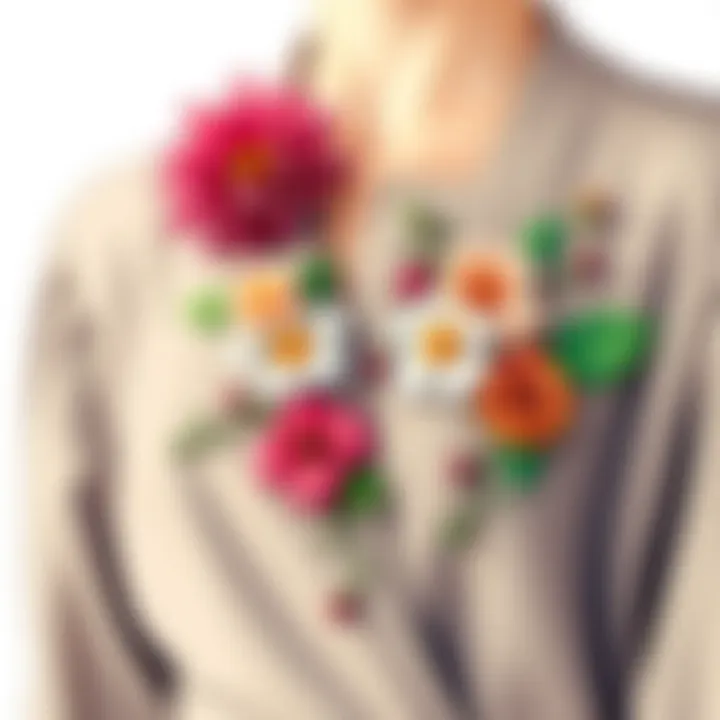
Supporting local artisans and communities can also contribute to ethical practices. By sourcing materials or collaborations locally, designers can ensure that their products uphold social justice while simultaneously celebrating cultural craftsmanship. Such practices resonate deeply with conscious consumers who value transparency over hidden exploitation.
Recycling and Upcycling Techniques
The fashion industry is notorious for its wasteful tendencies, but recycling and upcycling represent a shift towards a more circular economy. For small flower appliques, upcycling can involve repurposing old garments or leftover fabric scraps. This approach not only minimizes waste but also encourages creativity. Designers can transform an outdated piece into something fresh and unique, often telling a story of transformation in the process.
Moreover, incorporating recycled elements into fabrica has become a novel way to elevate the narrative behind appliques. For instance, small flower designs created from repurposed denim or vintage lace not only appeal aesthetically but also carry a richer context. This method encourages consumers to consider the lifecycle of their clothing, fostering a culture of reuse and sustainability.
"Fashion is the armor to survive the reality of everyday life." – Bill Cunningham
In summation, the focus on sustainability and ethical considerations elevates the practice of using small flower appliques. The movement towards responsible production and sourcing mirrors a larger shift in the design community, where beauty need not come at the expense of our planet or its people.
Crafting Your Own Small Flower Appliques
Creating your own small flower appliques not only enhances your crafting skills but also adds a personal touch to your fashion pieces. Engaging in the crafting of these delicate embellishments allows you to explore your creative potential, experiment with design, and truly express your individuality. It’s like giving a little piece of your personality to your garments, making them uniquely yours. Plus, crafting your own appliques can lead to a significant cost savings, allowing you to channel your budget into other aspects of your projects.
One prominent benefit of crafting your own small flower appliques is the convenience of customization. Whether it’s selecting the fabric, color, or pattern, all choices reflect your aesthetic taste and style. Moreover, the skills you develop will enable you to tackle various design challenges in the future, whether they involve upcycling worn-out clothing or designing elaborate costumes for themed events.
Step-by-Step Guide to Creating Appliques
- Select Your Design: Start by deciding on the type of flower or floral design you want to create. This could range from simple daisies to more complex rose patterns. Sketch your ideas on paper for a clearer direction.
- Choose Your Fabric: You’ll want to pick out fabrics that suit your vision. Cotton can be a good choice for beginners due to its manageability. Consider patterns that complement each other, if you're layering.
- Cut the Shapes: Using sharp scissors, carefully cut out the shapes you've outlined in your design. Try to be as precise as possible; this detail will show in the final product.
- Stabilize Your Work: To ensure the appliques hold their shape, consider using interfacing or fabric glue, especially if you’re working with delicate materials. This step can save you frustrations later on.
- Sew the Details: Use a sewing machine or hand stitch to secure the edges of each applique. Adding decorative stitches or embroidery can elevate the design, infusing it with character.
- Finishing Touches: Lastly, trim any excess threads and give the applique a light press with an iron, but be cautious with heat settings based on the fabric type.
Tools and Materials Needed
- Fabrics: Cotton, felt, or silk, depending on the look you're aiming for.
- Sewing Tools: Scissors, pins, and needles for hand sewing (or a sewing machine).
- Adhesives: Fabric glue or interfacing to stabilize complex designs.
- Marking Tools: Fabric markers or chalk to outline your design for cutting.
- Embroidery Floss: For adding extra details, if desired.
"Crafting your own small flower appliques combines tradition with innovation. It's not just about sewing; it's about personal expression."
With the right tools and a step-by-step approach, making your own small flower appliques can be both enjoyable and fulfilling. You can transform ordinary pieces into wearable art.
For more inspirational crafting ideas and tips, you can check resources like Wikipedia and Britannica.
The journey of crafting small flower appliques opens not only doors to a personalized wardrobe but also fosters a deeper appreciation for the art of fashion.
The Future of Small Flower Appliques in Fashion
As we navigate through the ever-evolving landscape of fashion, it becomes imperative to consider the future implications of design elements like small flower appliques. These delicate pieces, which have danced their way through various fashion epochs, are not only a nod to nostalgia but also a canvas for innovation. Their integration into future styles is crucial in reinforcing individuality and sustainability in a market that increasingly values both. Moreover, as technology continues to shape the fashion industry, the potential for small floral appliques to further enhance designs is limitless.
Emerging Technologies in Applique Design
In the realm of fashion, technology is like a trusted companion guiding designers towards new horizons. The integration of 3D printing technology is becoming a significant player in the applique game. Imagine crafting intricate flower designs at the press of a button. This technique allows for unique shapes and textures that were previously unattainable through traditional methods. Moreover, digital embroidery machines are enhancing precision and reducing time, making it easier for designers to implement complex floral patterns seamlessly.
Further, the incorporation of augmented reality (AR) in the design process is a game changer. Designers can visualize how different flower appliques will look on various fabric types or styles without physically creating them. This allows for faster iterations and experimentation, pushing boundaries on floral designs. The fusion of fashion with tech can create a playground for creativity, making it all the more exciting for designers, students, and enthusiasts alike.
Predictions for Market Trends
Predicting the future is a bit like peering through foggy glasses, but certain trends are beginning to take shape within the fashion industry. One major trend is the shift towards personalized and customized fashion. As consumers seek to express their uniqueness, we can expect to see small flower appliques being used to create bespoke garments that resonate with their owners. Retailers who capitalize on this need for individuality will stand out, building loyalty and establishing stronger connections with their customer base.
Another prediction highlights the rise of eco-conscious choices. As the dialogue about sustainability continues, designers are likely to gravitate towards eco-friendly materials for their small flower appliques. Biodegradable fabrics and organic threads will play a significant role, making both the designs and the fashion process kinder to our planet.
"The future is bright for small flower appliques as they blend tradition with innovation, paving the way for renewed creativity in the fashion realm."
To sum it up, the anticipated blend of technology, individualism, and sustainability is driving forces shaping the future of small flower appliques in fashion. Designers and brands that adapt to these trends will not only thrive but also usher in a new era of creativity and thoughtful expression. The journey ahead may be uncertain, but one thing is clear: small flower appliques will continue to blossom in unexpected ways.
Closure: The Lasting Appeal of Small Flower Appliques
The discussion surrounding small flower appliques in fashion circles back to their undeniable significance. These ornamental additions showcase an enduring allure that transcends trends and seasons. This article explored how these delicate embellishments enhance aesthetic appeal and speak volumes about individual style. The intricacies of small flower appliques are not merely for decoration—they signify a deeper connection to artistry and personal expression.
Throughout the various discussions on small flower appliques, we’ve unearthed their diverse potential in garment design. Whether for a formal gown or a casual tee, they offer the flexibility to transform an ordinary piece into a unique statement. Additionally, the ecological considerations we've discussed emphasize a shift toward sustainable fashion practices. Utilizing eco-friendly materials and ethical sourcing elevate the appliques' charm further.
Ultimately, what stands out is how these little creations bring out one’s personality. Whether a designer or consumer, embracing small flower appliques means celebrating creativity, individuality, and commitment to the environment.
Reflections on Fashion Expression
Fashion is a remarkable canvas, where artistry meets identity. Small flower appliques stand as a testament to this sentiment, allowing wearers to adorn themselves with pieces that resonate with their essence. Each flower sewn onto fabric bears a story, a reflection of the wearer’s creativity, emotions, and even cultural heritage. Incorporating these delicate elements into clothing doesn't just enhance the piece; it infuses it with meaning.
In a world saturated with mass production, the emblems of individuality become rare gems. Designers who look to small flower appliques harness an ability to craft garments that speak to unique narratives. The fusion of colors, shapes, and techniques offers designers a rich palette to express deeper sentiments in their creations.
"Fashion is more than mere attire; it is the embodiment of who we are and what we believe in."
Embracing Individuality through Appliques
In essence, small flower appliques are a celebration of the individual. They invite the wearer to curate their sense of style, making bold statements without uttering a word. In choosing specific flowers or patterns, one communicates personal tastes, interests, and even memories. It's not only about aesthetics; it's about identity.
The variety in shapes and colors allows for endless combinations, effortlessly adapting to various personal styles. A simple sunflower can evoke sunny dispositions, while a delicate cherry blossom might speak of grace and femininity. Designers and consumers alike recognize that these tiny florals offer a gateway to exploring and embracing one's individuality.