Exploring the Impact of 3D Tiles Stickers in Fashion
Intro
In the evolving landscape of fashion design, the introduction of unwonted materials and techniques shapes the very essence of style. One innovation that has begun to capture the attention of fashion enthusiasts and professionals alike is the use of 3D tiles stickers. These unique elements offer not only a striking visual appeal but also a myriad of practical applications, redefining what it means to express oneself through clothing.
The emergence of 3D tiles stickers signifies more than just a trend; it reflects a movement towards individualization and creativity. Such elements add depth and texture, transforming standard fabrics into pieces of art. They can be employed in various contexts—ranging from high fashion to casual wear—making them an appealing option for designers seeking to push the boundaries of traditional textiles.
3D tiles stickers transcend mere aesthetics; they intertwine with the realms of sustainability and consumer psychology. As we delve deeper into this discourse, we will unpack not only how these elements enrich fashion but also how they contribute to the larger conversation surrounding responsible design practices.
By understanding the current fashion trends and insights surrounding 3D tiles stickers, we can better appreciate their role in modern fashion and anticipate how they might continue to influence design methodologies.
Understanding 3D Tiles Stickers
In the constantly shifting landscape of fashion design, 3D tiles stickers are carving out their niche as innovative components that add beauty and character to clothing and accessories. Recognizing the realms of texture, depth, and emotion that these stickers can evoke is crucial in grasping their role in modern fashion. Their ability to transform a plain garment into a stunning piece of art places them at the forefront of design conversations.
Definition and Characteristics
3D tiles stickers are decorative embellishments featuring raised or dimensional designs that can be made from various materials such as plastic, rubber, or even biodegradable options. These stickers aren't your run-of-the-mill embellishments; they can replicate intricate patterns and textures, from scales mimicking serpent skin to geometric shapes reminiscent of a mosaic. The primary appeal lies in their tactile quality, which can invoke a visual curiosity and an undeniable urge to touch.
The characteristics that set these stickers apart include:
- Variety of Designs: They come in countless styles, catering to diverse tastes, from the whimsical to the avant-garde.
- Durability: Many are crafted with materials that withstand wear and tear, making them suitable for everyday use.
- Easy Application: Most can be adhered to fabric with simple heat application or adhesive backing, making them accessible for designers of all skill levels.
These elements combine to lend 3D tiles stickers the power to make a simple piece of clothing stand out in a crowd.
Materials and Production Techniques
The materials used in the production of 3D tiles stickers are as diverse as their applications. Some common examples include PVC, silicone, and eco-friendly polyurethane. These materials not only provide the desired texture and appearance but also address sustainability concerns. For instance, eco-conscious brands are now producing biodegradable options that minimize environmental impact, aligning with trends toward sustainable fashion.
Production techniques have also advanced significantly. Here are some of the methods employed:
- 3D Printing: This revolutionary technique allows for precision in crafting intricate designs. It enables designers to materialize their visions accurately, offering vast possibilities for innovation.
- Injection Molding: This is often used for bulk production and is essential for creating consistent designs at a larger scale. Features multiple layers can be integrated during the molding process for added depth.
- Digital Cutting: Provides the capability to create precise shapes, enabling unique designs that can even include personal touches, like initials or logos, adding to their appeal in custom fashion.
Understanding the variety of materials and techniques is invaluable for designers looking to incorporate 3D tiles stickers into their work. It informs choices that reflect both style and responsibility, which is becoming increasingly important in today’s fashion industry.
"In fashion, it's not just about the clothes; it's about the story each piece tells through its details. 3D tiles stickers bring those stories to life."
In essence, the realm of 3D tiles stickers offers a rich canvas for creativity while demanding thoughtful consideration of material choices and their implications on both aesthetic and sustainability fronts.
The Role of 3D Tiles Stickers in Fashion
In the ever-evolving landscape of fashion, 3D tiles stickers have carved a niche that is gaining more attention. Their role transcends mere decoration; they are catalysts for innovation, expression, and a bridge between art and clothing. Understanding their function within fashion can clarify how these seemingly simple stickers can bring substantial value to design.
Enhancing Visual Appeal
One of the most striking advantages of 3D tiles stickers is their ability to significantly boost the visual allure of apparel and accessories. Traditional prints can sometimes fall flat, lacking the depth or texture that makes a garment stand out. In contrast, 3D tiles stickers work like a magician's wand, creating layers and dimensions that command attention. The interplay of light on various surfaces—from glossy to matte—can evoke a sense of movement and life.
Imagine a black dress adorned with iridescent tiles that catch in the light, reflecting colors that shift as the wearer moves. This not only captivates the eye but also draws viewers into a conversation about depth and complexity in design. It transforms simple outfits into canvases of artistic expression, inviting comparisons to the dazzling works in a gallery.
Furthermore, the customizable nature of these stickers allows designers to infuse personal touches and unique styles, cultivating a distinctive look. As a result, the traditional notion of fashion as just clothing alters, becoming an avenue for multi-sensory engagement.
Textural Contrast and Fashion Innovation
Textural contrast emerges as another compelling pillar within the use of 3D tiles stickers in fashion. The ability to layer these elements over varied fabrics provides an exciting dimension to garment design. For example, a rough canvas can be juxtaposed with smooth, glossy tiles, generating a tactile experience that appeals to both sight and touch. This notion of contrasting textures prompts a dialogue in the fashion industry about innovation.
Moreover, incorporating 3D tiles stickers encourages designers to break away from classical origins, sparking new trends that resonate with modern consumers. Not only do these stickers serve decorative purposes, but they also challenge the status quo of fabric manipulation and design methodologies in fashion.
As new materials and adhesive technologies emerge, they allow for greater flexibility in application, pushing the envelope of what's possible in clothing design. In essence, 3D tiles stickers have transformed from a novelty into a staple that stimulates creativity and inspires the next generation of designers.
In summary, the inclusion of 3D tiles stickers in fashion harnesses the potential for enhanced aesthetics and dynamic texture, ultimately encouraging innovation and personal expression.
Adoption in Contemporary Fashion
The incorporation of 3D tiles stickers into contemporary fashion represents not only a shift in design ethos but also a reflection of how modern aesthetics fuse with technology. Fashion is inherently an evolving landscape, and the adoption of these stickers brings a fresh perspective, enhancing creativity and personal expression in ways that traditional methods fail to achieve. As designers and brands embrace these innovations, the dialogue about how fashion can embrace contemporary materials grows richer.
Current Trends and Influences
In recent years, the fashion world have witnessed an upsurge in various trends that spotlight 3D tiles stickers. These pieces are not just adornments; they transform the basic into the extraordinary. For instance, streetwear brands are increasingly employing bold patterns and textures generated by 3D tiles to appeal to a younger audience. This approach not only stands out visually but also invites consumers to interact and engage with their clothing on a tactile level.
Among the fascinating trends is the resurgence of maximalism, where the layering of textures becomes a canvas for expression. 3D tiles stickers seamlessly contribute to this narrative, providing a canvas where daring designers can experiment with shapes, colors, and designs that challenge conventional limits.
Moreover, the influence of social media cannot be overestimated. Platforms like Instagram and Pinterest act as incubators for budding trends, with influencers showcasing clothing adorned with unique 3D tile designs that spark interest and demand. Consumers seek differentiation more than ever; thus, designers are compelled to adopt unique approaches, making the presence of these stickers even more significant.
Fashion Shows and Runway Exhibitions
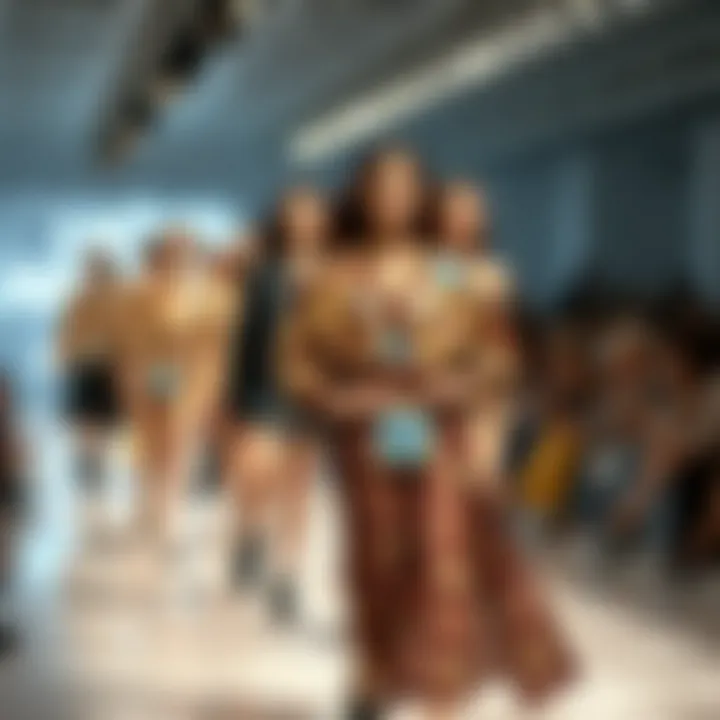
The importance of 3D tiles stickers becomes all the more pronounced during fashion shows and runway exhibitions. Designers view these events as a crucial platform to unveil their artistic identities and embrace bold changes in textile design. From the recent Paris Fashion Week to Milan's grandeur, collections have featured models strutting the runway, showcasing garments enhanced with this revolutionary embellishment.
What’s particularly eye-catching is the trend of interactive fashion, where outfits change appearance with the movement of the wearer, thanks to the strategic placement of 3D tiles stickers. The uncanny ability of these stickers to capture and reflect light creates dynamic visual effects, ensuring that garments look different in motion compared to when still.
"3D tiles stickers challenge not only the way we view clothing but also invite discussion on the boundaries of fashion itself."
Additionally, some fashion houses directly infuse concepts of sustainability in their runway presentations, pairing 3D tiles with eco-friendly materials. This combination resonates strongly with audiences seeking to make mindful purchasing decisions. Designers who adopt this dual focus are indeed poised not just to attract consumers but to cultivate lasting relationships through shared values.
By ensuring that the adoption of 3D tiles stickers is front and center, the fashion industry displays an enthusiasm for innovation while addressing the cultural shifts on consumer attitudes. This playful yet sophisticated integration of unconventional materials paves the way for a broader acceptance of experimentation in fashion, designing a future that acknowledges the craftsmanship and creativity driving the industry.
Ultimately, the embrace of these stickers marks a pronounced evolution in fashion, signaling to all involved in the field—from budding designers to seasoned professionals—that innovation and tradition can harmoniously intersect.
Psychological Impacts of 3D Tiles Stickers
In the ever-evolving landscape of fashion, the introduction of 3D tiles stickers carries more than aesthetic value. They also play a significant role in shaping the psychological experiences of wearers. These innovative elements contribute to how individuals perceive themselves and how they wish to be perceived by others. The influence of visual appearance on personal identity is a powerful factor in fashion, making the integration of 3D stickers a worthy subject of exploration.
The psychological impact of 3D tiles stickers transcends mere decoration. They allow wearers to express creativity and individuality. The choice of design, colors, and styles reflects personal tastes and cultural backgrounds. Moreover, such choices can bolster self-esteem and confidence. Wearing clothing adorned with these striking elements can change how one carries oneself, leading to an enhanced sense of identity. This transformation significantly contributes to the overall experience of dressing up.
One noteworthy aspect of these stickers is their ability to foster a sense of belonging. In communities where unique fashion statements are celebrated, individuals tend to bond over shared styles. A striking example can be found in music festivals, where attendees proudly display their unique fashion choices. Wearing outfits with 3D tiles stickers can create a visual language that communicates membership within a group, thereby instilling a deeper sense of belonging.
"Fashion isn’t about the clothes; it’s a medium that reflects who we are—inside and out."
Influencing Wearer Perception
The way we present ourselves can intricately influence how we feel and how others perceive us. In the context of 3D tiles stickers, this dynamic is amplified. The textures and dimensions brought by these stickers can evoke various impressions. For instance, bold geometric patterns might project confidence, while delicate motifs can exude elegance and sophistication. Such nuances in perception determine how a wearer interacts with their environment.
Additionally, 3D tiles stickers often draw attention, making outfits stand out in a crowded space. This visibility can positively affect the wearer’s mental state; improved attention can correlate to feeling more engaged and valued. An individual wearing a creatively adorned piece might find that they attract more social interaction, leading to an enhanced feeling of social agency.
Cultural Significance and Identity
Fashion is a cultural construct, and 3D tiles stickers reflect the narratives we craft around identity. Their growing popularity in contemporary fashion illustrates how people use style to connect with their heritage and social contexts. In various cultures, symbols and motifs displayed on clothing can convey messages related to identity, tradition, and values.
Moreover, 3D tiles stickers can serve an important role in subcultures. Within these circles, the stickers may hold particular significance, representing shared experiences or ideologies. For instance, certain patterns might be emblematic of resilience or strength within a specific community. By donning such designs, wearers not only affirm their identities but also act as ambassadors for their cultures.
In summary, the psychological impacts of 3D tiles stickers in fashion extend far beyond visual appeal. By influencing wearer perception and embodying cultural significance, these elements facilitate personal expression and community connectivity. This reflects a broader trend where fashion becomes not just a means of self-adornment but a powerful tool for social communication.
Sustainability Considerations
Sustainability in fashion is far more than a buzzword; it’s become a vital consideration as the industry grapples with its impact on the environment. As consumers are becoming increasingly conscious about their choices, 3D tiles stickers are stepping into the spotlight, offering a range of eco-friendly options that align with sustainable practices. This section explores various aspects of sustainability in the context of 3D tiles stickers, shedding light on how they are redefining the landscape of environmentally responsible fashion design.
Eco-Friendly Materials
When we talk about eco-friendly materials, the first thing that comes to mind usually are fabrics like organic cotton or bamboo. However, 3D tiles stickers also have a role to play in this sustainable frontier. Biodegradable and recyclable materials have entered the market, allowing designers to create striking visual elements that are kind to the planet. One such material is PLA (Polylactic Acid), which is a bioplastic derived from renewable resources like corn starch or sugarcane. It's not just about being trendy; using eco-friendly materials helps reduce reliance on fossil fuels and lowers emissions associated with conventional plastic production.
"The fashion industry is one of the largest polluters. Bringing 3D tiles stickers made from sustainable materials into the mix can significantly offset some of that impact."
Creators are now experimenting with these materials, pushing the boundaries of artistry while ensuring that their creations leave minimal waste. The transition to eco-friendly materials is not a mere trend; it’s a wake-up call for designers who want to maintain relevance while championing environmental responsibility.
Reducing Waste in Fashion
Reducing waste is another crucial arm of sustainability, especially considering how the fast fashion model encourages the overproduction of garments which often end up as landfill. 3D tiles stickers can contribute to this reduction in several ways. For starters, these stickers offer a unique way to repurpose existing garments. Instead of tossing a shirt that’s lost its charm, adding a few bold 3D tiles can breathe new life into it. Thus, enabling consumers to keep their clothing longer and avoid contributing to the problem of textile waste.
Moreover, the on-demand production model that often accompanies 3D printing technologies minimizes excess inventory and keeps manufacturing tight to actual demand. This approach can lead to a more sustainable cycle where items are made to order. By embracing such philosophies, brands not only reduce waste but also appeal directly to a growing demographic of environmentally-aware consumers.
Styling with 3D Tiles Stickers
Styling with 3D tiles stickers has emerged as a fascinating avenue in fashion design, granting creators an opportunity to play with textures and layers in ways that were previously unimaginable. The dexterity offered by these stickers fundamentally alters the traditional design approach, turning a mere piece of fabric into a conversation starter. The aesthetic versatility which accompanies these stickers makes them a compelling choice for designers, retailers, and influencers alike, allowing for the exploration of new romantic or avant-garde looks just by applying stickers creatively.
Layering Techniques
Layering is an art—an intricate dance between fabric, color, and design. When it comes to integrating 3D tiles stickers, one must first consider the base layer. For example, creating an understated yet impactful look can be achieved by first laying down a monochromatic garment, say a simple black dress. This base serves as a canvas, making the 3D tiles stickers pop beautifully. The use of contrasting colors within the stickers can thus elevate the overall design. Stickers designed with bold, geometric shapes or vibrant colors can create a captivating visual effect against a solid backdrop, instantly drawing the eye.
While experimenting with layering, the texture and shape of the stickers also play a pivotal role. Stickers that are raised and textured can create an appealing dimensionality that feels engaging. Such stickers can be strategically placed, focusing on areas of the garment like the shoulders or hem, thereby accentuating the features of the clothing. This encourages both wearers and viewers to engage in a multi-dimensional experience, moving beyond just the garment itself into an exploration of depth.
"The key to successful layering is not just about the materials, but how they interact with each other and with the body's movements."
Furthermore, layering can extend to accessories, where smaller 3D stickers can adorn bags and shoes, creating a cohesive aesthetic. It’s all about playing with perception—how the combination of layers and stickers can transform an ordinary outfit into a fresh statement piece.
Pairing with Different Fabrics
Pairing 3D tiles stickers with various fabrics introduces a whole new level of complexity to the design process. The choice of base fabric can dramatically influence the final outcome. For instance, sleek materials like silk or satin can provide a stunning contrast to the rigidity of the tiles, offering a striking interplay between softness and structure. These combinations not only attract the eye but also provide sensory intrigue, as the smoothness of silk contrasts with the tactile quality of the tiles.
On the other hand, textured materials, like denim or canvas, can amplify the stickers' presence, creating a more rugged or casual vibe. Stickers in earthy tones or floral designs might resonate with natural fabrics, making for a harmonized look that speaks to both comfort and individuality.
When considering the overall effect, remember that the style should tell a cohesive story. For example, if one opts for a light cotton dress, pairing it with pastel-hued 3D tiles stickers might evoke a laid-back summer theme. But if the aim is to inspire edginess, a choice of leather combined with bold, metallic stickers can create a striking punk aesthetic.
Ultimately, the versatility of 3D tiles stickers lies in their adaptability to a variety of styles and fabrics. This adaptability allows designers to maintain relevance in an ever-evolving industry, ensuring that creativity remains at the forefront of fashion.
Creating Unique Designs
The infusion of 3D tiles stickers in fashion design offers a powerful avenue for creating unique and striking designs. This topic explores how these stickers can be utilized to set a garment apart from the crowd, elevating its visual and emotional impact. The process of creating unique designs with these elements is significant not just for aesthetic purposes, but also for personal expression and brand identity. Designers, retailers, and stylists looking to stand out comprehend that uniqueness can be their secret weapon in a saturated market.
Mixing and Matching Styles
Mixing and matching styles involves the creative combination of disparate design elements. This is where 3D tiles stickers come into play, providing a dynamic layer of versatility that can transform any attire. Think about a simple black dress embellished with vibrant, geometric 3D stickers. The result? A chic statement piece, highlighting the wearer's bold personality.
When combining various styles, it's important to balance the visual weight. Here are some key points to consider:
- Color Harmony: It’s critical to ensure the colors of the 3D tiles complement the base garment. Clashing colors might make a design look off-kilter.
- Texture Play: Pairing 3D tile stickers with different fabric textures can enhance the overall look. For instance, smooth satin against textured stickers can add depth.
- Shape and Proportion: Mixing styles also involves considering the shapes created by the stickers. For a minimalist look, opt for smaller, angular stickers rather than large, bulky designs.
Ultimately, experimentation is key. Designers may find that what might initially seem like an odd pairing can result in awe-inspiring creations. The broad array of styles available makes it possible to cater to a diverse clientele, helping brands maintain relevance.
Incorporating Personal Touches
Incorporating personal touches into designs is critical in modern fashion. 3D tiles stickers provide an excellent way to infuse individuality into garments. This could mean anything from initials to specific symbols that resonate with the wearer. Such modifications make the clothing not just a piece of fashion, but an extension of one’s identity.
Here are some strategies for adding personal touches with 3D tiles:
- Custom Designs: Brands can offer customers the chance to create custom stickers that reflect their personality. This leads to garments that are truly one-of-a-kind.
- Storytelling through Design: Each design can tell a story—a favorite memory, a cultural symbol, or a personal journey can be embedded within the stickers. This not only adds value but creates emotional connections with the audience.
- Seasonal Themes: Change can be refreshing. Incorporating seasonal elements using 3D tiles can allow wearers to express themselves differently throughout the year.
Ultimately, the beauty of incorporating personal touches through 3D tiles stickers lies in the ability to create a meaningful and memorable fashion experience. The garments become more than just clothing; they evolve into wearable art that resonates with the individual.
"In fashion, as in life, it’s the little details that make all the difference."
By encouraging creativity and celebrating uniqueness, designers can make the most of what 3D tiles stickers have to offer. This trend may be the breath of fresh air that many have been looking for in the rapidly evolving fashion industry.
Commercial Applications of 3D Tiles Stickers
The adoption of 3D tiles stickers within the fashion industry is not just about aesthetics; it reflects the shifting paradigms of commercial strategy. These unique elements present opportunities that go beyond mere decoration, influencing how brands engage with their consumers. It is essential to analyze the distinct benefits and considerations tied to commercial applications of 3D tiles stickers, particularly in retail innovations and branding potential.
Retail Innovations
In a competitive retail landscape, innovation can be the lifeblood of a brand. 3D tiles stickers bring about fresh avenues for retailers to allure customers. The tactile aspect of 3D stickers on fabric can transform the shopping experience from a passive observation to an engaging interaction.
- Interactive Displays: Retailers are using 3D tiles stickers to create interactive displays, encouraging customers to touch and feel the products. This sensory involvement leads to a deeper connection and thus, potentially boosts impulse buying.
- Limited Edition Collections: Using these stickers, brands can launch limited edition items that carry distinct textures and visuals, making them more appealing. This exclusivity often creates a buzz, drawing attention from fashion enthusiasts and the media alike.
- Pop-Up Shops: Brands are utilizing 3D tiles stickers in temporary installations or pop-up shops. These venues allow for creative freedom and experimentation with styles that might not fit into their traditional line-up.
For instance, a local boutique introduced a temporary pop-up that featured walls covered in vibrant 3D tiles. This not only enhanced the aesthetic appeal but also became a photo backdrop, generating social media traction.
Branding Opportunities
The visual nature of fashion means that branding is paramount. 3D tiles stickers can serve as a significant tool for brands to express their identity and connect with their target audience, specifically within the fashion domain.
- Signature Looks: Brands can develop signature looks or patterns using 3D tiles, which can help them stand out in a saturated market. It can be the differentiating factor that etches them into the consumers' memories.
- Collaborations: Joint ventures with artists to create unique 3D tile designs can add flair to a brand’s collection. Partnerships with influencers can amplify this effect, making the designs go viral among followers.
- Sustainability Messaging: By incorporating eco-friendly materials into their stickers, brands can convey their commitment to sustainability. This resonates with a growing demographic that values environmental consciousness.
"In today’s economy, creativity is just as important as products. The integration of 3D tiles stickers represents innovation that consumers are keen to engage with."
In summary, the commercial applications of 3D tiles stickers encompass a broad spectrum of strategic advantages. From enhancing the retail experience to forging strong branding narratives, these elements not only elevate the product but also resonate with modern consumers looking for differentiation and genuine connections. As the market evolves, those who harness the power of 3D tiles stickers stand to gain a competitive edge.
Challenges in Integration
In the dynamic world of fashion design, integrating innovative elements such as 3D tiles stickers presents its own set of hurdles. As we delve into this topic, it becomes clear that understanding these challenges is vital for designers, retailers, and other industry stakeholders. These challenges impact not just how these stickers are received, but also how effectively they can be utilized in various fashion contexts.
Consumer Acceptance and Trends
Consumer acceptance is a cornerstone in the successful integration of 3D tiles stickers within fashion. Just like a new sauce can change the flavor of an old recipe, the introduction of 3D tiles can alter a person's perception of garments. However, the road to consumer acceptance isn’t always smooth.
- Aesthetic Perception: People often judge products based on their visual appeal. If 3D stickers come off as gimmicky or overly bold, a segment of consumers might shy away. This hesitation to embrace the unfamiliar can be reminiscent of back-and-forth stages in social trends—it takes time for new ideas to click.
- Cultural Adaptation: Different markets have unique cultural sensibilities. In some areas, what might be fashionable could be viewed as excessive in others. Thus, design strategies must adapt accordingly. Understanding local fashion sensibilities and incorporating them can bridge the cultural gap.
- Practicality and Usage: The practicality of 3D tiles stickers also plays a significant role. For instance, how easy are they to apply? How do they feel against the skin? Products that create discomfort or require excessive maintenance simply won't take off. A notable example is the rise and fall of chunky sneakers; at first they seemed impractical, yet now they dominate the market.
"Consumer acceptance is more than aesthetics; it’s about how products make people feel and fit into their lives."
Technical Limitations and Advances
As we pivot to the technical side, advances and limitations in production and application methods warrant attention. Getting the physical aspects right is as critical as appealing to the senses of potential clients.
- Materials Science: The materials used for creating 3D tiles stickers are crucial. Advancements in material science have allowed designers to experiment with different textures and finishes. However, not all materials are created equal. For instance, using heavier materials might enhance the appearance but could lead to discomfort or garment failure during wear.
- Application Techniques: The method of applying these stickers directly affects their job performance. Traditional methods may not hold under stress, leading to peeling or lifting. To overcome this, manufacturers are exploring innovative bonding techniques that promise durability without compromising appearance.
- Technological Integration: Technology is both a boon and a bane. While advancements in printing techniques have made it easier to produce intricate designs, retrofitting existing garments to incorporate 3D tiles can be labor-intensive and costly. Retailers must weigh the cost against potential sales to determine feasibility.
In summary, emphasizing consumer acceptance paired with addressing technical challenges creates a roadmap for successful integration of 3D tiles stickers into the fashion industry. Striking a balance between innovative design and consumer-friendly products will be key to not just surviving but thriving in the ever-evolving landscape of fashion.