The Evolution and Impact of Fashion Bibs
Intro
Fashion bibs, often overlooked, have a storied place in the realm of clothing. Not simply a protective layer from spills and stains, these accessories have evolved into a significant part of the stylistic conversation. As society spirals away from utilitarian design towards eclectic expressions of self, fashion bibs straddle the line between functionality and aesthetic appeal. This article aims to delve into their historical significance, trend growth, and their adaptation into sustainable practices, all while catering to a variety of demographics. By examining these aspects, it becomes clear that fashion bibs are not merely trivial add-ons but pivotal elements within modern wardrobes.
Fashion Trends and Insights
Fashion is a tapestry woven from influences of past and present, and the dynamics of bibs exemplify this phenomenon perfectly. As trends shift swiftly, keeping an eye on current styles can help professional designers, retailers, and even enthusiasts recognize how fashion bibs fit into this mosaic.
Current Trends in Clothing Styles
Today, the landscape of fashion is vibrant, with eclecticism leading the way. Bibs, once relegated to kitchens or childhood meals, are now fashionable statements. They can be seen adorning outfits in various forms:
- Oversized designs: Pairing bold patterns with flowy fabrics to create a relaxed vibe.
- Tailored pieces: Fitted bibs made of structured fabrics that add a sophisticated touch to attire.
- Cross-body options: A playful twist on the traditional silhouette, making them functional without sacrificing style.
- Layering: Many fashion-forward individuals combine bibs with their traditional tops to add depth and interest.
These adaptations reflect a broader trend toward fusion in clothing. The convergence of casual and chic is everywhere, making it a prime moment for bibs to step confidently into limelight.
Influential Fashion Icons and Movements
Several individuals and movements have notably shaped the modern perception of bibs in fashion. For instance, designers like Alexander Wang have played a vital role, incorporating unique layering techniques into high-fashion collections. Similarly, street style movements have embraced the bib trend, with social media influencers showcasing their versatility.
These fashion icons have established a dialogue around bibs, turning them into must-have items rather than mere accessories. Women and men alike are no longer shy about experimenting with these bold designs, further bridging gaps in gendered fashion norms.
"Fashion is not just about clothes; it’s about identity, and bibs are an excellent way to express that identity." – Unknown
Sustainable Fashion Practices
The concept of sustainability has taken center stage in recent years, particularly in fashion. The rise of eco-conscious consumers has pushed brands to rethink their approach towards production and materials. Bibs, too, have not been left out of this crucial conversation.
Eco-Friendly Fabrics and Materials
Using sustainable materials is paramount in creating a modern wardrobe. Here are a few fabrics that are increasingly integrated into the production of fashion bibs:
- Organic cotton: Grown without harmful chemicals, it’s both comfortable and environmentally friendly.
- Recycled polyester: Made from post-consumer plastics, this fabric reduces waste while providing durability.
- Hemp: A highly sustainable crop that requires minimal water and no pesticides, making it a wise choice for eco-minded designers.
Tips for Building a Sustainable Wardrobe
Creating a sustainable wardrobe doesn't have to be a daunting task. Here’s how you can incorporate fashion bibs while being eco-friendly:
- Invest in high-quality pieces: Prioritize durability and timeless design to avoid fast fashion pitfalls.
- Mix and match: Use bibs as a staple that can brighten multiple outfits rather than acquiring new tops constantly.
- Shop second-hand: Thrift stores and online resale platforms like Poshmark can house hidden gems at a fraction of the original cost, promoting circular fashion.
By adopting these practices, individuals can celebrate style while making responsible choices.
In reflecting on the multifaceted aspects of fashion bibs, it becomes clear they are more than functional clothing. They represent a shift in how we approach style, sustainability, and identity in the modern age. Through thoughtful design choices and a connection to historic traditions, fashion bibs continue to evolve, proving their worth in contemporary wardrobes.
Prelude to Fashion Bibs
The topic of fashion bibs serves as a fascinating entry point into the ever-shifting landscape of wardrobe essentials and personal style. As we embark on this exploration, it’s crucial to recognize that fashion bibs are not just a superficial garment but a symbolic piece embedded with history, culture, and innovation. They bridge the gap between functionality and aesthetics, which makes them essential not only for designers and retailers but also for stylists and fashion enthusiasts alike.
Defining the Fashion Bib
To grasp the evolution of fashion bibs, one must begin with a clear understanding of what they are. A fashion bib is essentially a garment that wraps around the front of the body, often extending either from the waist up to the neck or down to the mid-thigh, depending on the design. Commonly identified in garments like aprons and certain types of dresses or tops, fashion bibs are thus versatile. They can affirm an outfit’s style while serving functional tasks, such as protecting clothing or providing a convenient pocket for small items. Additionally, their design can fluctuate significantly, ranging from simplistic cuts to elaborate shapes, often adorned with eye-catching prints or textures.
Origins and Historical Context
Fashion bibs have a rich tapestry of history. Their roots can be traced back to practical clothing worn by workers. In the past, aprons and similar garments were staples for laborers, intended to keep clothes clean amidst mess and toil. Fast-forward to the late 19th and early 20th centuries when the trend began to weave its way into mainstream fashion, grasping the imaginations of designers who saw beyond utility.
In the 1920s, bibbed garments became associated with the burgeoning modern feminist movement. Women began to adopt styles that emphasized independence and functionality, signaling a departure from gendered dress norms. Relevant fashion houses like Dior and Chanel introduced variations that balanced ornamentation with practicality, illustrating the bib's transformation from rustic utility to high fashion.
"Fashion bibs embody both artistry and practicality, acting as a canvas for creativity and a shield against the elements."
Even through times of war and economic strain, fashion bibs have often resurfaced as a reliable and chic solution. Their ability to transcend eras is testimony to their adaptability and cultural resonance. As we navigate the present day, fashion bibs continue to evolve, adapting to modern sensibilities and sustainability demands, thus maintaining their relevance in contemporary wardrobes.


In summary, the introduction to fashion bibs paves the way for a deeper dive into their various styles, significance in cultural discussions, and market implications. Through understanding their past and present roles, we can appreciate their ongoing evolution and impact.
Types of Fashion Bibs
In the world of fashion, bibs have traveled a long way from their utilitarian roots to becoming a stylish staple in many wardrobes. Understanding the types of fashion bibs is crucial not just for designers but also for retailers, stylists, and even consumers who wish to elevate their outfits. Different styles serve various preferences and occasions, making them versatile pieces that can be tailored to an individual's personality and sense of style. This section explores the essential varieties of fashion bibs currently available in the market, highlighting their unique features, benefits, and considerations for use.
Classic Bib Styles
Classic bib styles have been a cornerstone of fashion history, often inspired by iconic looks that never truly go out of style. These types of bibs are often characterized by their traditional cuts and materials. For instance, a denim bib apron is a timeless piece often worn in creative settings, whether in kitchens or workshops. It’s durable and functional, yet it has an undeniable aesthetic appeal that resonates with casual fashion enthusiasts.
- Straight-Cut Bibs: These bibs feature clean lines and a tailored fit, making them suitable for a more polished look. They're often paired with fitted shirts for a sharp appearance.
- Ruffled Bibs: For a dash of femininity, ruffled bibs add softness and elegance. They often become focal points of an ensemble, capturing attention effortlessly.
- Overalls: Perhaps synonymous with casual attire, overalls have made a resurgence, blending both practicality and style seamlessly into everyday wear.
Classic bibs are often considered the backbone of fashion bib evolution. Even within modern adaptations, the foundational elements remain influential. An understanding of these classics allows designers and consumers alike to appreciate the evolution of styles.
Contemporary Variations
As fashion progresses, contemporary variations of bibs introduce bold colors, innovative patterns, and unconventional designs. These bibs reflect the diverse nature of modern fashion. They often encapsulate the zeitgeist, catering to the desires of a younger audience seeking uniqueness.
- Graphic and Printed Bibs: Featuring contemporary art, pop culture references, or witty slogans, these bibs offer a canvas for self-expression.
- Sustainable Styles: Today, some brands focus on materials like recycled fabrics or organic cotton, appealing to environmentally aware consumers. Contemporary fashion bibs that promote sustainability are gaining traction in the market.
- Short and Long Variation: Selecting the length of the bib can significantly alter an outfit's dynamic. It's fascinating how short bibs can be casual yet chic while long bibs provide a glamorous flair.
These variations cater to a broader range of demographics and promote individual expression. They symbolize not only changing trends but also changing attitudes towards fashion. Today’s consumers want pieces that speak to their identities.
Innovative Materials and Designs
The future of fashion bibs seems promising as new materials and designs emerge, pushing the boundaries of traditional fashion. Innovation isn't just about aesthetics; it also pertains to functionality and comfort. For designers, selecting the right materials can make or break a design.
- Fabrics with a Twist: Materials such as neoprene, mesh, or even smart textiles that regulate temperature are transforming how bibs are designed. These innovative fabrics open a new pathway to fashion that fuses technology and style.
- Adaptive Designs: With inclusivity in mind, some fashion bibs are now designed to accommodate various body types or to be worn in flexible ways. For instance, bibs that adjust in size through drawstrings or snaps are revolutionizing the accessibility of these garments.
- Sculptural Elements: Some modern bibs feature architectural cuts or 3-D printed elements that add depth and intrigue. These designs not only lure the eye but also challenge conventional garment construction approaches.
As fashion bibs continue to evolve, the interplay of sustainable practice and innovative design remains a pertinent topic. Only through understanding these innovative elements can designers capture the essence of today's audience, ensuring that fashion bibs remain relevant in an ever-changing landscape.
"Fashion is a way to say who you are without having to speak." – Rachel Zoe
Incorporating diverse types of fashion bibs into various settings is paramount. Whether classic or contemporary, the importance of these styles is not just in their aesthetic appeal but also in their ability to adapt and express individuality.
Functionality Versus Aesthetics
The juxtaposition of functionality and aesthetics in fashion bibs is a compelling topic that merits in-depth exploration. As accessories, fashion bibs wear many hats; they serve practical purposes, such as protecting clothing during meals, while also boasting sophisticated designs that elevate style. It's not just about looking good; it's about how these items integrate seamlessly into daily life.
In the quest to balance these two facets, designers face a set of unique challenges. Striking the right chord between practicality and style could make or break the wearablity of a bib. Think about it: a fashion bib that looks good but fails to perform, like staining easily or lacking appropriate fit, will likely be relegated to the back of the wardrobe. Conversely, a highly functional piece that lacks visual appeal may not even make it past the store entrance. This delicate balance significantly influences consumer purchasing decisions, making clear why it’s worth a thorough discussion here.
Cultural Significance of Fashion Bibs
The cultural significance of fashion bibs cannot be underestimated. Historically rooted in necessity, they have evolved into a canvas of self-expression. In various cultures, bibs serve distinct functions; for instance, in some culinary traditions, they function as a symbol of hospitality, offering practical use for diners at communal tables. In the fashion landscape, they're often seen as statement pieces—some designers even introducing avant-garde designs that challenge conventional norms.
In contemporary culture, they reflect broader social movements, such as sustainable fashion and gender neutrality. Fashion bibs have increasingly provided spaces for brands to fuse chic with eco-consciousness, employing materials that minimize environmental impact. This combination of cultural relevance and environmental responsibility resonates deeply with today's consumers, who are more informed and discerning than ever before.
Balancing Practicality with Style
Walking the tightrope of practicality versus style involves navigating customer expectations and prevailing trends. Designers are continuously innovating to maintain this balance. Some bibs are crafted from materials that resist spills and stains while offering aesthetic versatility. Imagine a fashion bib made of a high-quality, wipeable fabric—this allows individuals to maintain the clean look while keeping a superior level of practicality.
Moreover, consider the fit; a bib shouldn't merely hang loosely but should contour comfortably while enhancing the silhouette. Some brands experiment with adjustable neck straps or tailored cuts, ensuring that wearers enjoy both comfort and sophisticated looks.
To elevate the discussion, it’s noteworthy that statement designs can often sway consumer opinion. Unique textures, bold patterns, and eye-catching prints can elevate a practical item into something worth wearing not just in the kitchen but also at social gatherings. By crafting fashion bibs that are both functional and stylish, designers can cater to a more comprehensive array of settings—be it a dinner party or a casual outing.
In summary, the interplay of functionality and aesthetics in fashion bibs plays a pivotal role in defining the accessory’s place in modern wardrobes. With informed choices that heed both usability and style, fashion bibs can transcend being mere protective wear, evolving into versatile fashion staples that meet a wide range of consumer needs.
"The best fashion bibs are those that serve a purpose while allowing the wearer to showcase their unique style."
Sustainability in Fashion Bib Design
Sustainability has become more than just a buzzword in the fashion industry; it’s a necessity. When it comes to fashion bibs, as with other clothing items, the importance of sustainable practices cannot be overlooked. As consumers grow increasingly aware of environmental issues, brands are held accountable for the ecological impact of their products. Fashion bibs, once seen merely as accessories, are now at the forefront of discussions about sustainable fashion. Whether it's about reducing waste or minimizing carbon footprints, the journey towards eco-conscious bib design is a fascinating topic to explore.


Eco-Friendly Material Choices
Fashion bibs made from eco-friendly materials are the cornerstone of sustainable fashion. Various organic fabrics, such as hemp, organic cotton, and linen, have emerged as favorites in this realm. These materials not only lessen environmental impact but also often boast superior durability compared to their conventional counterparts.
- Hemp: A super resilient fiber, hemp requires little water and no pesticides, making it an environmentally sound choice.
- Organic Cotton: Grown without synthetic fertilizers or pesticides, organic cotton is kinder on the planet while offering comfort and breathability.
- Recycled Materials: Some brands are using recycled polyester, which transforms plastic waste into stylish pieces, effectively contributing to waste reduction.
Choosing the right material is crucial; it not only affects the product’s performance but also reflects a brand’s commitment to sustainability. According to a study published on britannica.com, the fashion industry significantly contributes to pollution, and switching to sustainable materials is a key strategy to mitigate this impact.
The Role of Fashion Bibs in Sustainable Fashion
Fashion bibs are more than just elements of sartorial flair; they have the potential to play a significant role in augmenting sustainable practices within fashion circles. The multifunctionality of bibs makes them appealing to various demographics. Designers can merge innovative designs with sustainable practices, forming a bridge between aesthetic appeal and ecological consciousness.
"In the grand tapestry of fashion, sustainability is the thread that binds creativity with responsibility."
- Lifecycle Considerations: Brands can adopt a circular approach to fashion bibs. This means designing products with the end in mind from the outset, ensuring that they can be recycled or composted after use, reducing landfill contributions.
- Educational Outreach: Promoting awareness around sustainable bibs can inspire consumers and stylists to prioritize eco-friendly choices, driving demand for responsible fashion.
- Inclusivity in Design: By considering the diverse needs within society, brands can create bibs that cater to various ages, sizes, and cultures, all while maintaining a commitment to sustainability.
For further insights into sustainable fashion initiatives, you can explore resources like en.wikipedia.org or reddit.com where discussions about environmental responsibility in fashion are vibrant and ongoing.
Target Demographics for Fashion Bibs
Understanding the target demographics for fashion bibs is crucial in grasping their significance in today’s fashion narrative. Fashion bibs are not for a single type of consumer; they appeal across diverse age ranges and personal styles. By recognizing various demographics, designers and retailers can tailor their products to better meet the needs of their customers, encouraging both creativity and inclusion in this vibrant marketplace.
The importance of demographic consideration in fashion bibs lies in its ability to create designs that resonate with different segments of the population. By acknowledging needs and tastes that vary between age groups, brands can develop bibs that are more than just clothing; they become a statement of identity and culture. This approach fosters innovation while addressing consumer desires for personalized fashion.
Fashion Bibs for Various Age Groups
When it comes to fashion bibs, one size certainly doesn’t fit all. An understanding of how different age groups interact with fashion can offer insights into design choices and marketing strategies.
- Children: For the youngest fashionistas, bibs often serve a practical role. Bright colors and playful graphics catch their eye, while durable materials ensure longevity against wear and tear. Brands like Mini Rodini or Burt's Bees Baby undeniably focus on fun and functionality, creating bibs that make eating less messy but equally stylish.
- Teens and Young Adults: This group typically looks for bibs that make a style statement. Strappy designs or oversized versions paired with graphic tees cater to street style enthusiasts. These bibs become a canvas for self-expression, allowing individuals to showcase their unique aesthetic. For this demographic, brands like Ganni or Easy Tiger have successfully blurred the lines between casual and chic, making bibs appealing for various occasions.
- Adults: In adult fashion, bibs often transcend their original utility. They can be seen in settings ranging from brunch with friends to art galleries. High-quality materials such as silk or canvas can elevate a fashion bib to an essential piece in one's wardrobe. Brands like Isabel Marant and Dsquared2 have captured this market through designs that celebrate individuality while championing comfort.
- Seniors: The fashion bibs for older demographics emphasize comfort and ease. Fabrics that are soft and easy to wear, and designs that invoke nostalgia can be appealing. Brands focusing on functionality while maintaining style, like Eileen Fisher, are gaining traction as they cater to the graceful aesthetic that many seniors seek.
Inclusivity in Fashion Bib Design
Inclusivity in fashion bib design is not merely an ideal but a necessity in the modern marketplace. The call for inclusivity reflects society's diversity and how fashion can embrace that.
Incorporating inclusive designs means understanding the varied forms of bodies, abilities, and identities. Fashion bibs that come in an array of sizes, styles, and colors are becoming increasingly important. Brands are realizing that everyone should have the opportunity to express themselves through fashion, leading to a wider range of choices and representation.
- Adaptive Fashion: Some designers are starting to create adaptive fashion bibs that cater specifically to individuals with disabilities. Simple adjustments, like magnetic closures or adjustable straps, enhance usability without sacrificing style.
- Gender-Neutral Options: Designers are increasingly stepping away from traditional gender norms. Unisex styles that appeal to a broader audience offer flexibility and freedom in fashion choices. The success of brands like TomboyX in creating inclusive designs shows how bibs can cater to a diverse array of identities.
By emphasizing inclusivity in fashion bib design, brands not only tap into a broader consumer base but foster a sense of community and acceptance. The increasing demand for diverse representation in fashion reflects a societal shift towards valuing uniqueness. In essence, fashion bibs stand as a symbol of progression in how we perceive style, bridging gaps among different demographics and creating a more holistic narrative in contemporary fashion.
"Fashion is a way to say who you are without having to speak." – Rachel Zoe
This statement underscores the essence of how fashion bibs can be a profound element of personal expression across various age groups and identities. As the modern world continues to evolve, so too do the stories told through fashion bibs, resonating with an ever-diverse audience.
Styling Fashion Bibs
When it comes to fashion bibs, the art of styling them cannot be overlooked. It’s not just about throwing one on over your ensemble; it’s an act of creative expression. Fashion bibs serve a dual purpose—they are functional pieces that protect clothing, while also being key to personal style. Understanding how to style these garments effectively opens up numerous possibilities for both casual and sophisticated looks, allowing the wearer to flirt with various elements of their wardrobe.
Pairing Bibs with Different Outfits
To ensure the fashion bib complements the entire outfit, pairing is essential. Depending on the vibe you want to project, the choice of ensemble can drastically alter the aesthetic. Here are some noteworthy combinations:
- Casual Chic: Pair a denim bib with a simple white tee and sneakers for that effortless look. This combo suits weekend outings or casual meet-ups easily.
- Elevated Comfort: A tailored bib made with linen can complete a smart-casual look when layered over a sleek blouse and followed by tailored trousers.
- Street Style: Combine a graphic bib with joggers and chunky boots for a fashionable street look. This mix keeps you comfortable while still turning heads.
- Seasonal Versatility: In the colder months, layer a thick sweater under a wool bib paired with long boots for a layered, cozy outfit.
Mixing textures can also yield impressive results. For instance, a leather bib over a flowy cotton dress creates a striking contrast that catches the eye, elevating the simplicity of the base clothing.
Accessorizing with Fashion Bibs
Accessorizing is where styling truly shines! The right accessories can change the entire feel of your outfit. Here’s how to accessorize fashion bibs effectively:
- Belts: Cinching the waist with a stylish belt can accentuate figure while adding a pop of color or texture. Consider a wide belt over a bib that contrasts with the fabric's shade.
- Jewelry: Wearing bold statement necklaces or earrings can complement a simpler bib. This adds an element of sophistication without bombarding the look.
- Footwear: Shoes play an almost pivotal role. Whether it’s sleek heels for formal occasions or trendy sneakers for a relaxed vibe, your choice of footwear completes the overall ensemble.
- Bags: A structured bag can elevate the whole look, especially with tailored bibs. Think of a classic tote or an edgy crossbody to match or contrast with the bib's colors.

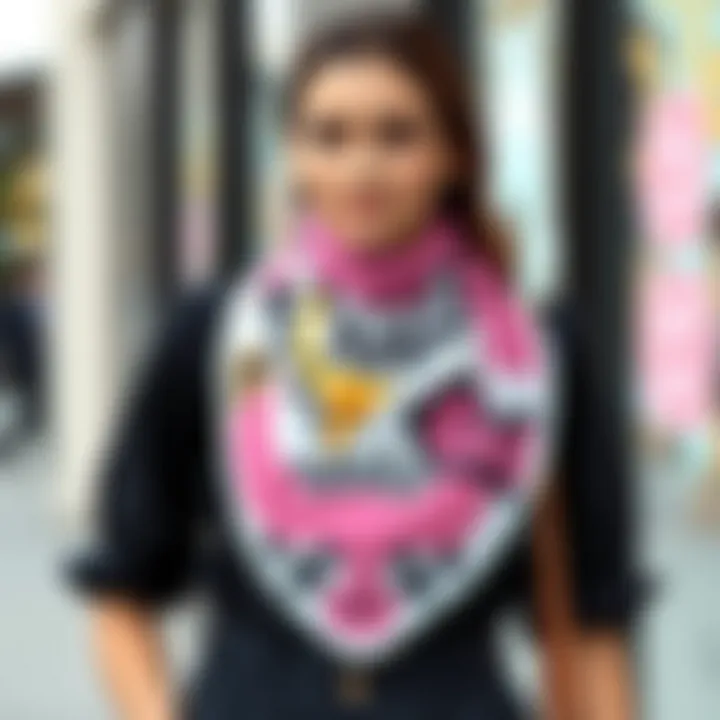
By thoughtfully choosing these elements, one can transform a simple bib into a fashion-forward outfit that captures attention. Remember, styling is subjective—there are no hard and fast rules, only opportunities for creativity.
"Genuine style comes from understanding how to convey your identity through your clothing, and bibs are just another canvas to express that!"
In summary, styling fashion bibs involves much more than meets the eye. With clever combinations and mindful accessorizing, one can create diverse looks ranging from practical to performative, allowing the wearer to express their uniqueness. Designers and stylists should keep in mind the endless possibilities that fashion bibs present in the realm of style.
Market Trends and Consumer Behavior
In the whirlwind of fashion, market trends and consumer behavior are the pulse of the industry, dictating how products like fashion bibs make their way through both retail and personal wardrobes. Understanding these trends isn't just a benefit; it’s essential for designers, retailers, and influencers alike. The world of fashion bibs is no exception. Whether it's the traditional designs or contemporary alterations that catch the eye, these ebbs and flows in consumer interest showcase the ever-changing landscape of style and function.
Sales Trends in Fashion Bibs
Sales figures tell a compelling story about the popularity of fashion bibs. Recent reports indicate that sales have surged, especially among younger demographics who blend practicality with chic aesthetics. This segment of consumers appreciates bibs not just for their functionality but as a versatile wardrobe staple that can elevate everyday outfits.
Key points influencing these sales trends include:
- Social Media Influence: Platforms like Instagram and TikTok have propelled fashion bibs into the spotlight, making them a favorite among influencers and fashion-forward individuals.
- Seasonal Variations: Trends often shift with the seasons, introducing new fabrics or styles that resonate with consumers looking for fresh looks. Spring and summer often see lighter materials like cotton or linen, while fall might usher in denim or leather variations.
- Collaborations and Limited Editions: Brands collaborating with designers or celebrities can create a frenzy around fashion bibs, resulting in spikes in sales whenever a new line drops.
The rise in e-commerce has further catalyzed these trends, as shopping online provides consumers with unparalleled access to diverse styles and designs, broadening their horizons and willingness to experiment. With this shift, brick-and-mortar stores must adapt, showcasing unique fashion bibs that scream exclusivity to attract consumers who now have countless options at their fingertips.
Consumer Preferences and Shifts
Understanding what consumers prefer can guide brands in their design and marketing strategies. It’s a complex dance of catching their eye while appealing to their values. Recent shifts showcase a growing preference for sustainable practices. More buyers want to know the story behind their apparel. Are the materials eco-friendly? Is the production ethical? This trend can't be ignored when discussing fashion bibs.
- Sustainability Matters: As noted in previous sections, eco-friendly materials and ethical production methods play a critical role in consumer decision-making. Brands that can communicate their sustainable practices effectively often find a loyal customer base eager to support those values.
- Experiential Shopping: Today’s shoppers enjoy more than just purchasing; they seek experiences. Pop-up shops, fashion shows, and online styling sessions add a layer of engagement that traditional retail lacks.
- Diversity and Inclusivity: In an increasingly globalized world, fashion bibs that cater to varied body types, ethnicities, and personal styles are gaining traction. Consumers are voting with their wallets for brands that reflect the rich tapestry of modern society.
Understanding the nuances behind consumer behavior not only drives sales but shapes the very landscape of fashion bibs in the years to come.
As we look to the future, staying vigilant about these market trends is imperative for anyone involved in the fashion industry. It’s not just about keeping up; it’s about leading the charge into new territories of design and consumer engagement.
For more insights on fashion trends, you can explore resources such as Wikipedia or Britannica for a broader context on the evolution of style.
Future of Fashion Bibs
As we look to the future, fashion bibs are positioned to play a more significant role in our wardrobes than ever before. This section aims to highlight the evolving trends and technological advancements that are shaping the landscape of fashion bibs. Understanding the future of fashion bibs is not just about predicting trends; it's about appreciating the integration of style, functionality, and sustainability. These elements contribute to the increasing demand from consumers who are eager to blend fashion with purpose.
Innovative Trends on the Horizon
Fashion is in a constant state of flux, and bibs are no exception. We are starting to witness several innovative trends that are reshaping this accessory.
- Bespoke Designs: Customization is becoming a big deal. More designers are offering personalized fashion bibs, allowing wearers to highlight their individuality. Brands like Etsy showcase countless designers ready to provide tailored pieces that reflect personal taste.
- Functional Fashion: The rise of athleisure has encouraged designers to think outside the box. Bibs that include features such as pockets, adjustable fits, and multifunctional uses are becoming increasingly popular. This multifaceted approach caters to a modern audience looking for versatility in their fashion choices.
- Artistic Collaborations: Collaborations between artists and fashion designers are leading to bibs that are not just functional but also serve as wearable art. These unique pieces push the boundaries of traditional designs and offer something truly special to the fashion-forward individual.
Adapting to these innovative trends ensures that fashion bibs remain relevant and continue to evolve, staying one step ahead in the ever-changing fashion landscape.
The Influence of Technology on Design
Technology is a driving force in the evolution of fashion bibs. Emerging materials and design processes are transforming how bibs are created and marketed. This section explores some key technological advancements:
- Smart Fabrics: The introduction of materials that change with wear, such as temperature-sensitive fibers, is reshaping the functionality of bibs. Imagine a bib that can adjust its breathability according to the weather! This could redefine comfort in daily wear.
- 3D Printing: The use of 3D printing technology allows designers to experiment with new shapes and intricate patterns without the constraints of traditional manufacturing. This innovation enables rapid production and allows for surprising designs that can cater to niche markets.
- Augmented Reality (AR): Brands are starting to utilize AR for consumers to virtually try on fashion bibs before making a purchase. This technology not only enhances the shopping experience but also reduces return rates, benefiting both retailers and shoppers.
From smart textiles that respond to environmental changes to digital fitting rooms, technology is paving the way for a bright future in fashion bib design. The integration of these elements presents exciting opportunities for both established and emerging designers as they seek to meet the demands of a more tech-savvy consumer.
"The future of fashion bibs is a thrilling intersection of creativity and technology that’s shaking up the industry in unprecedented ways."
By staying ahead of these trends and technology shifts, designers and retailers can create fashion bibs that meet the ever-evolving expectations of stylish, conscientious consumers. Engaging with these changes not only propels a brand forward but also enriches the overall fashion landscape.
The End and Insights
Summary of Key Points
- Historical Significance: Fashion bibs have a rich history, stemming from utilitarian clothing to fashion-forward accessories. Understanding this progression can enhance the design process.
- Versatility and Adaptation: The adaptability of fashion bibs across demographics is noteworthy. They cater to a wide range of age groups and personal styles, ensuring relevance.
- Sustainable Practices: Sustainability in fashion is paramount today. As eco-friendly materials become commonplace in fashion bib designs, brands positioning themselves as sustainable leaders are likely to attract conscientious consumers.
- Styling and Market Trends: The way fashion bibs can be styled with various outfits reflects a shift in consumer preferences towards individualistic and statement-driven fashion choices.
Final Thoughts on Fashion Bibs
In wrapping up, fashion bibs are not just garments but also cultural signifiers. They encapsulate how fashion can mirror societal values—functionality blended with aesthetic appeal. As the focus increasingly shifts towards sustainability, the fashion industry would do well to pay attention to evolving preferences in fashion bib styles. The influences of technology and innovative materials are expected to reshape future designs, keeping the modern consumer's interest piqued. With continuous evolution, fashion bibs will likely remain vital accessories that bridge the gap between tradition and modernity.
"Fashion bibs embody the essence of adaptability, showcasing the wearer's individuality while addressing the pressing need for sustainability."
For more on the historical perspective of fashion and accessories, please visit Britannica's Fashion page or explore discussions at Reddit's Fashion community.