Exploring Woolen Velvet: History, Trends, and Care
Intro
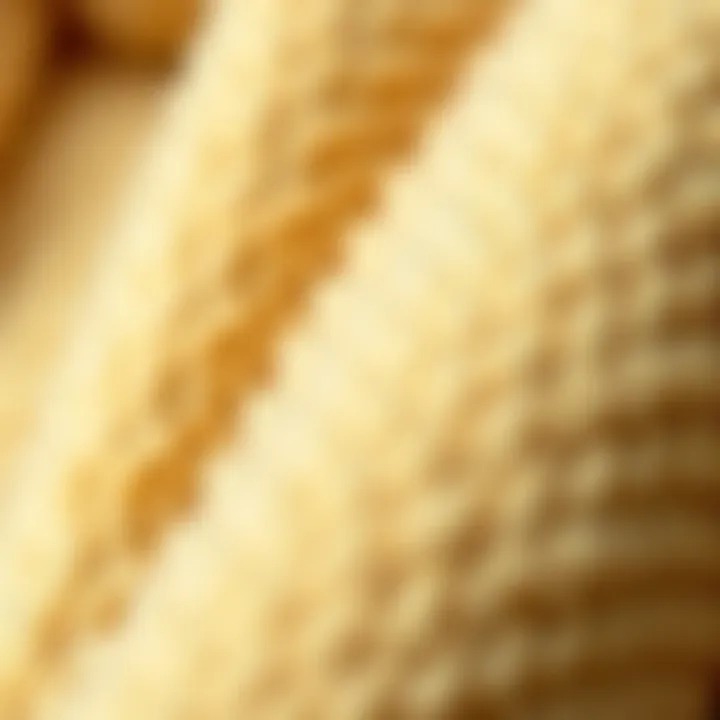
Woolen velvet, a fabric that emulates opulence while keeping the comfort of wool, has woven itself through various dimensions of fashion and design. Known for its rich sheen and plump texture, this versatile material resonates with both the eye and the touch. As we peel back the layers of woolen velvet, it’s essential to grasp its extensive history, craftsmanship, and the fresh role it plays in today’s sartorial landscape.
As we navigate through this exploration, we will examine how woolen velvet has carved out its niche in clothing and home decor. The journey will cover significant trends influenced by original designs and fashion movements over time. Additionally, integrating sustainable practices in today’s textile industry through woolen velvet will feature prominently in our discussion.
By the end of this article, readers will walk away with a well-rounded perspective on woolen velvet, affirming its relevance and allure in a contemporary setting.
Fashion Trends and Insights
Woolen velvet has taken a prominent seat in fashion circles, from the catwalk to street styles. This fabric does not just satiate aesthetic desires; it brings warmth, depth, and a touch of glamour to an outfit. The soft texture and forgiving nature of woolen velvet allow it to drape beautifully on the body, making it a favorite for many
Current Trends in Clothing Styles
The trendsetters of today are embracing the sumptuous feel of woolen velvet in various forms. Here are some of the notable styles:
- Dresses: Often seen in evening wear, a deep green or rich burgundy velvet dress can elevate any event.
- Jackets: Combining comfort and style, velvet blazers add a sophisticated flair to casual or formal outfits.
- Trousers: Tailored velvet trousers are making a comeback, with their polished look perfect for both office wear and outings.
The versatility of woolen velvet allows designers to experiment with patterns and cuts while still ensuring a classic appeal. Its ability to retain color and shape adds to its desirability.
Influential Fashion Icons and Movements
Across decades, woolen velvet has been a staple among many influential fashion icons. From the glamorous styles of the 1920s silent film stars to modern-day red carpet sensations, the fabric has transformed in design but remained a symbol of elegance.
"Fashion is about dressing according to what’s fashionable. Style is more about being yourself." – Oscar de la Renta
Movements such as sustainable fashion also incorporate woolen velvet as they seek high-quality, enduring pieces that make a statement without contributing to waste.
Sustainable Fashion Practices
The idea of conscious consumerism is no longer a mere trend; it’s a necessity. Woolen velvet stands out as a sustainable option due to its natural properties. Here are ways this fabric aligns with eco-friendly practices:
Eco-Friendly Fabrics and Materials
- Wool: Naturally biodegradable and renewable, it has significant advantages over synthetic materials.
- Dyes: Many brands are now opting for plant-based dyes, limiting chemical use that harms the environment.
- Local Sourcing: By sourcing materials locally, designers can minimize their carbon footprint.
Tips for Building a Sustainable Wardrobe
When looking to incorporate woolen velvet into a wardrobe sustainably, consider these steps:
- Invest in Quality: Choose high-quality pieces that are timeless rather than fast fashion trends.
- Mix and Match: Velvet can easily blend with other materials for varied looks while extending the life of each piece.
- Care Properly: Gentle care of woolen velvet items can prolong their lifespan, reducing waste.
By understanding the environmental impact of fashion and making informed choices, we can celebrate the beauty of fabrics like woolen velvet without sacrificing our planet.
In summary, woolen velvet continues to flourish in modern design, marrying beauty with sustainability. As we move forward, this fabric will undoubtedly weave itself into the fabric of future fashion trends.
Prelims to Woolen Velvet
Woolen velvet, a fabric that embodies comfort and elegance, deserves a closer look. This section aims to unpack why woolen velvet holds such a significant place in both fashion and interior design. It strikes a remarkable balance between opulence and practicality, making it a favored choice among designers and consumers alike. Durability, softness, and the ability to drape beautifully are just a few of the traits that make woolen velvet stand out.
Defining Woolen Velvet
Woolen velvet is a luxurious fabric, combining the natural warmth and resilience of wool with the rich texture and sheen of velvet. This unique blend gives the fabric a distinctive appearance and feel. It features a soft, dense pile that not only adds a touch of sophistication but also provides excellent insulation, making it suitable for various applications throughout the year. Woolen velvet can be found in a myriad of hues, from soft pastels to bold jewel tones, allowing for versatility in both fashion and décor.
When describing woolen velvet, it's essential to focus on its construction. Typically, this fabric is made from a blend of wool fibers, twisted together and woven into a luxurious pile fabric. The result is a plush texture that can elevate any design, lending a sense of depth and interest.
Additionally, woolen velvet showcases superior breathability compared to synthetic alternatives. This feature is significant as it allows the fabric to maintain comfort, making it an excellent choice for clothing and upholstery.
Historical Context
Wool has been a cornerstone in fabric production for ages, originating from ancient civilizations. The melding of wool and velvet traces back to Europe in the Middle Ages, where it was initially an expensive luxury for the elite. During the Renaissance, royal courts adored velvets for garments meant to signify power and refinement.
The process for creating woolen velvet has evolved tremendously over the years. Historically, it involved labor-intensive techniques which kept the fabric in the realm of nobility until mechanization in the 19th century began to change that. With new weaving technologies, woolen velvet became more accessible, transitioning into the wardrobes of the burgeoning middle class.
Over time, various cultures adopted velvet, infusing their unique styles into the design. From the lush, ornate creations of Italy to the more subdued, functional pieces found in Scandinavian design, woolen velvet reflects a rich tapestry of tradition and innovation. Today, it continues to evoke a sense of luxury while adapting to modern sustainability practices. This duality keeps it relevant in the fashion landscape, especially as designers increasingly prioritize eco-friendly materials.
"Woolen velvet not only speaks to luxury but also tells a story intertwined with progress and cultural shifts."
The Fabric Composition
The composition of woolen velvet plays a vital role in defining its unique character, both in texture and performance. This section delves into the specific elements that combine to create this luxurious fabric. Understanding these components not only enriches one’s appreciation of woolen velvet but also illuminates the decisions designers must navigate when selecting materials for their projects.
Understanding Fiber Blends
Woolen velvet is often crafted from a blend of natural and synthetic fibers. This combination is crucial, as it allows for a balance between softness and durability. Typically, the primary fiber used is wool, known for its excellent insulating properties and moisture-wicking abilities.
In many instances, cotton or silk can be intertwined with wool, enhancing breathability and giving a slight sheen to the fabric. Here’s a deeper look at some common blends:
- Wool and Cotton: This mix brings the softness of cotton together with the warmth of wool, making it comfortable against the skin.
- Wool and Silk: Adding silk elevates the richness of the texture, creating a more luxurious feel, perfect for high-end fashion.
- Wool and Synthetic Fibers: Blending with materials like polyester can increase durability and resistance to wrinkles, making it ideal for everyday wear.
In choosing these blends, designers are able to create a fabric that suits various needs while maintaining a level of luxury synonymous with velvet.
Weaving Techniques Specific to Woolen Velvet
The way woolen velvet is woven significantly influences its final aesthetic and tactile qualities.
Woven using a unique technique, woolen velvet employs a structure known as "cut pile". In this process, the fibers are looped through the backing fabric and cut to create a soft, dense pile. Here are some key techniques:
- Satin Weave: Provides a smooth finish, highly reflective, which is commonly seen in formal wear.
- Twill Weave: Offers durability and can lend a textured feel that is advantageous for upholstery applications.
- Double Weave: Often used for more complex patterns, giving the fabric an extra dimension and weight.
These variety of weaves not only vary the visual impact of the material but also its feel and usability in different applications, whether that be in high fashion garments or durable home furnishings.
"Woolen velvet’s composition and weaving techniques create a multifaceted fabric that offers both aesthetic beauty and practical benefits."
With a grasp on fiber blends and weaving styles, one can appreciate how these elements converge to produce the exquisite woolen velvet fabric, revered for its luxury and versatility.
Production Process
The production process of woolen velvet is a fundamental aspect that determines not only the fabric's quality but also its overall character and aesthetic appeal. Understanding how woolen velvet is crafted allows designers and retailers to appreciate its nuances, from the initial fiber selection to the finishing touches that give the fabric its unique feel. A closer look into this process reveals critical elements that can influence both the longevity and appearance of the fabric.
Sourcing Quality Wool
To create high-quality woolen velvet, one must start with the right raw materials. Quality wool is evaluated based on several parameters, including fiber diameter, which affects softness and durability. Wool sourced from Merino sheep is renowned for its fine texture and resilience, making it a popular choice among fabric makers.
- Regional Influence: Wool’s quality can significantly depend on the region it comes from. For example, Australian Merino wool is often considered superior due to the local climate and grazing conditions.
- Sustainable Practices: With the growing awareness of environmental impact, sourcing wool ethically has become more crucial. Many producers now follow practices that ensure animal welfare, sustainable grazing, and minimal environmental footprint. This approach not only enhances fabric quality but also appeals to an eco-conscious consumer base.
This initial step sets the stage for all subsequent processes, as the characteristics of the wool will ultimately influence the texture, drape, and color absorption of the final velvet product.
Dyeing Methods and Their Impact
After wool is sourced and prepared, it undergoes dyeing, which serves to impart color and increase the fabric’s visual appeal. Various dyeing techniques can dramatically affect the finished product, both in terms of color vibrancy and textile longevity.
- Natural vs. Synthetic Dyes: Natural dyes, derived from plants and minerals, are often seen as environmentally friendly but may not achieve the same level of colorfastness as synthetic dyes. Synthetic dyes, while effective in producing bright and vibrant hues, often raise sustainability concerns.
- Dyeing Process: The dyeing can be done before or after the fabric is woven. Pre-dyeing allows for a more even color distribution, while post-dyeing might enhance texture and depth in hues.
Different methods yield a range of textures and shades, broadening the variety of woolen velvet available in the market.
Finishing Techniques: Creating the Luxe Feel
Finishing is the final stage in the production process, and it is this step that ultimately transforms raw wool fabric into the plush, luxurious woolen velvet known for its softness and elegance. Various finishing techniques can enhance the fabric’s tactile quality and visual appeal.
- Brushing: This method involves raising the fibers to create a soft nap that is characteristic of velvet. The quality of the brushing technique directly correlates with the final touch.
- Heat Treatment: Applying heat can set the fibers in such a way that they present a more uniform appearance while also enhancing the fabric's durability.
- Finishing Coatings: Some manufacturers apply a surface treatment that provides additional water and stain resistance, extending the life of the velvet fabric while also making it easier to maintain.
In these finishing stages, a meticulous approach can turn good fabric into great fabric, ensuring that it meets the aesthetic and practical needs of designers and consumers alike.
"The quality of woolen velvet hinges not merely on crafting, but on the journey it undergoes from fiber to fabric."
Through understanding these production aspects, it becomes clear why woolen velvet is coveted in both fashion and décor realms. The depth of skill and innovation involved shapes not just the material itself but also its role within the greater narrative of contemporary styling.
Practical Applications
Woolen velvet offers a splendid blend of comfort, luxury, and versatility. Its unique texture and appearance render it suitable for various uses, making it a remarkable choice for both fashion and home decor. Understanding the practical applications of woolen velvet enables designers, retailers, and consumers alike to make informed decisions, appreciating the fabric's aesthetic and functional qualities.
Fashion Apparel
Dresses and Skirts
Dresses and skirts crafted from woolen velvet capture attention with their exquisite drape and rich color depth. The fabric's softness makes it incredibly comfortable to wear, while the subtle sheen provides an air of elegance that is hard to replicate with other materials. These garments are popular choices for evening wear and special occasions, as they can elevate any ensemble effortlessly.
The luxurious feel of woolen velvet dresses and skirts allows for ease of movement, making them suitable for both formal and semi-formal events. One unique feature is their ability to retain warmth during cooler months, making them functional as well as stylish. However, care must be taken when cleaning such items; they often require dry cleaning to maintain that soft texture and rich appearance.
Coats and Jackets
Woolen velvet coats and jackets are a staple in the colder months, merging warmth with sophistication. The high-quality fibers used in their construction provide insulation without sacrificing style, presenting itself elegantly in different cuts and designs. This material lends itself particularly well to structured pieces, offering a tailored look while maintaining comfort.
A notable highlight of woolen velvet outerwear is the unique play of light on its surface; the fabric seems to change color depending on the angle from which it’s viewed. While these garments are highly favored for layering, it's essential to be mindful of their susceptibility to water damage, which may necessitate additional waterproofing measures.
Accessories
When it comes to accessories, woolen velvet shines through with items like handbags, hats, and scarves. These pieces add a touch of sophistication to any outfit, allowing even the simplest looks to be dressed up instantly. The key characteristic of accessories made from this fabric is their tactile quality, which invites the wearer to engage with them, enhancing the overall experience of the outfit.
One unique feature of woolen velvet accessories is their adaptability. They can transition between seasons effortlessly, making them wise investments. However, they may require regular maintenance to keep their textures looking fresh and their colors vibrant.
Home Decor
Curtains and Drapery
Woolen velvet is particularly popular in the realm of home decor, especially in curtains and drapery. Its richness adds depth to any room, enhancing the overall ambiance. What sets woolen velvet curtains apart is their heavy structure, which provides excellent sound absorption and light blocking, creating a serene sanctuary in one's home.
The luxurious texture also plays a role in the aesthetics, as light reflects gently, creating a warm, inviting atmosphere. However, potential downsides include their tendency to collect dust and dirt quicker than lighter fabrics. Regular care is essential to prevent wear and maintain their beauty.
Cushions and Throws
Cushions and throws made from woolen velvet provide an easy way to introduce a touch of glamour into the living space. The fabric's plushness invites relaxation, providing cozy accents on sofas or beds. These items often feature contrasting textures or color palettes that combine well with various decor styles.
A significant advantage of using woolen velvet for cushions and throws is their durability. They can withstand frequent use while still looking chic. On the flip side, they can be a bit more challenging to clean, particularly if spills occur, requiring specific cleaning methods to avoid damage.
Upholstered Furniture
Upholstered furniture made from woolen velvet stands out due to its luxurious look and feel. Sofas and chairs covered with this fabric become statement pieces in any space, blending function with high aesthetic appeal. The fabric's inherent resilience provides added longevity to the furniture, making it a favored choice.
Woolen velvet's comforting nature makes it a go-to for upholstery, allowing owners to create inviting and stylish living spaces. Nonetheless, there are considerations regarding maintenance; while resistant to fading, the fabric can show wear over time, necessitating careful upkeep to prolong its life.
"Choosing woolen velvet for practical applications like fashion apparel and home decor adds a unique touch of sophistication while providing comfort and warmth."
Overall, the practical applications of woolen velvet reveal its capacity to blend beauty with function, catering to the needs of modern aesthetics and daily life across various sectors.
Styling with Woolen Velvet
Woolen velvet stands out as a fabric that offers both comfort and elegance. Understanding how to style this versatile material is key for designers and stylists alike. It’s not just about wearing it; it's how you can elevate your entire look or living space with the right choices. Each element—color, layering, and accessories—contributes to the overall aesthetic, allowing for creativity that resonates with the fabric’s luxurious touch.
Color Palettes that Work
Color plays a vital role when it comes to woolen velvet. This fabric naturally exhibits depth and richness, making it essential to choose palettes that complement its inherent qualities. Here are some ideas:
- Deep Jewel Tones: Colors like emerald green or royal blue can make a striking impact. They evoke a sense of opulence and work well for evening wear or formal pieces.
- Neutral Shades: Soft tones, like ivory, taupe, or gray, provide a sophisticated backdrop. They can be more understated, offering versatility for casual or professional settings.
- Contrasting Hues: Pairing bold colors with more muted tones can create a striking balance. Think about vibrant reds with soft creams or dark purples against light pastels.
Ultimately, the key is to play with contrasts and harmonies, ensuring that your color choices reflect not just the season, but also your unique personal style.
Layering Techniques
Layering with woolen velvet can turn a simple outfit into a statement. This fabric’s plush finish allows for pairing with various materials without feeling bulky. Here are some effective layering strategies:
- Understated Base: Start with a fitted turtleneck or thin blouse as your base layer. This allows the woolen velvet to shine without overwhelming the look.
- Mid Layers for Texture: Consider a tailored woolen velvet blazer. This piece not only adds warmth but also heightens refinement. Balance it with lighter fabrics to keep the overall look airy.
- Outer Layers for Drama: Long coats in woolen velvet can serve as a showstopper, particularly in cold months. Choose cuts that allow for movement, ensuring that the velvet flows beautifully.
Don’t shy away from mixing textures. Velvet pairs incredibly well with lighter silks, denim, and even casual knits, inviting myriad possibilities while maintaining that sense of comfort.
Accessorizing with Care

Accessorizing is where you can transform your woolen velvet ensemble from stylish to stunning. However, moderation is key. Too many flashy accessories can compete with the elegance of velvet. Consider these approaches:
- Subtle Jewelry: Opt for minimalist gold or silver pieces. Simple drop earrings or a dainty bracelet can complement the fabric without overpowering it.
- Bags and Shoes: Select accessories that echo the tones of your outfit. A deep burgundy clutch might harmonize well with a rich navy velvet dress. When it comes to shoes, think about richness in textures—suede or leather can provide a nice contrast.
- Statement Pieces: If you wish to include one statement accessory, keep it as a focus—a bold necklace or a striking scarf can temporarily draw the eye without breaking the overall cohesion of the outfit.
"Accessorizing with woolen velvet isn't about overpowering; it’s about enhancing the story that the fabric tells."
With these strategies in mind, you're poised to embrace woolen velvet not just as fabric, but as a canvas for self-expression. Not only does this material offer infinite styling potential but it also cements its place in both fashion and home decor. Embrace it, and let your creativity take the lead without losing sight of functionality and elegance.
Maintenance and Care
When it comes to woolen velvet, ensuring its longevity and preserving its luxurious appearance is vital. This fabric, while inherently robust, requires mindful care and maintenance to keep it looking its best. Woolen velvet has a unique composition that demands a tailored approach, balancing the natural qualities of wool with the sophisticated texture of velvet. By investing time in proper maintenance, users can extend the life of their woolen velvet garments and upholstery significantly.
Cleaning Protocols
Cleaning woolen velvet is an art in itself. It's not just about putting it in the wash; rather, it involves several steps which cater specifically to the fabric's delicate nature. Before rushing to clean, it’s important to note the manufacturer's instructions, as some pieces may require dry cleaning.
Here are some essential cleaning steps to keep in mind:
- Spot Cleaning: For minor stains, gently dab the area with a clean, damp cloth. Using a mild soap solution can help, but avoid soaking the fabric. It’s advisable to test any cleaner on a hidden part first to ensure there’s no discoloration.
- Professional Cleaning: When deep dirt sets in or if the fabric is heavily soiled, consult the professionals. Dry cleaning is often recommended, as this preserves the texture and hue of the velvet better than regular washing.
- Usage of Fabric Protectors: Consider applying a fabric protector spray after cleaning. These create a barrier against potential stains but should be reapplied periodically to ensure effectiveness.
"By practicing proper cleaning protocols, you can ensure your woolen velvet remains a statement piece in your wardrobe or living space for years to come."
Storage Recommendations
When it comes to storing woolen velvet items, the approach needs to be gentle and adaptable. Improper storage can lead to unwanted creases and even damage. Here’s how to properly store it:
- Cool, Dry Place: Store woolen velvet in a cool, dry environment. Humidity can cause mold, while heat can damage the fibers.
- Use Breathable Bags: Instead of plastic, opt for cotton or other breathable fabric storage bags to prevent moisture buildup.
- Avoid Folding: Hanging garments when possible is best to prevent creases. Use padded hangers to maintain the shape of items like jackets and dresses.
- Flat Lay for Upholstery: For pieces of upholstered furniture, cover them with a breathable cloth to protect them from dust without trapping moisture.
By taking these simple steps in maintenance and care, owners can ensure their woolen velvet pieces maintain their charm and sophistication. Understanding how to clean and store these items is paramount for both practical usage and aesthetic appeal in any design-focused environment.
Emerging Trends in Fashion
Woolen velvet stands at a crossroads of tradition and modernity, lending itself seamlessly to current fashion insights. As designers, retailers, and influencers explore the landscape of textiles, the trends emerging from woolen velvet possess significance that taps into cultural consciousness and sustainable practices. This section unfolds how the fabric's unique attributes align with contemporary values and urges the fashion industry to rethink its approach toward production and innovation.
Sustainability in Textile Production
The call for sustainability in the textile industry has become more than just a trend; it has evolved into a necessity. Woolen velvet, produced from a natural and renewable fiber, carries inherent properties that make it an eco-friendly choice. It is biodegradable, reducing the impact on landfills when garments reach the end of their lifecycle.
Furthermore, many manufacturers are adopting practices such as:
- Responsible sourcing of wool, ensuring ethical treatment of sheep and minimal environmental consequences.
- Low-impact dyes that require less water and generate fewer pollutants, maintaining the beauty of color while safeguarding ecological balance.
- Circular fashion models that prioritize recycling and upcycling, extending the life of woolen velvet pieces.
Investing in woolen velvet not only meets aesthetic sensibilities but aligns with a greater ethical commitment, as brands embrace transparency. This isn't mere lipstick on a pig—it's a ground-up reflection of a growing responsibility to both the planet and consumers.
"Sustainability isn’t merely a tagline; it’s a transformation that we can feel in the fabric of our fashion choices."
Innovations in Fabric Technology
While sustainability takes center stage, innovations in fabric technology are equally revolutionizing the landscape of woolen velvet. Enterprising developments in textile engineering are enhancing the fabric's properties, making it more versatile and desirable to a broader audience.
Some noteworthy innovations include:
- Performance enhancements, where traditional woolen velvet has been treated to resist stains or enhance durability, suitable for high-traffic environments. This makes it a favorite in both fashion and home decor, allowing individuals to indulge in luxury without constant worry.
- Smart textiles incorporating temperature regulation and moisture-wicking technology, ensuring comfort across various settings. People now desire fabrics that adapt to their surroundings, making woolen velvet a practical option for contemporary wear.
- 3D knitting techniques that allow for intricate designs and patterns previously challenging to achieve with woven textiles. This technology not only enhances design possibilities but also reduces fabric wastage, reinforcing sustainability narratives.
As woolen velvet evolves, it beckons a fresh dialogue in the fashion industry. The merging of sustainability and innovation paves the way for a future where luxury is synonymous with responsibility, grasping the essence of both elegance and eco-consciousness.
Finale
The journey through the intriguing world of woolen velvet reveals its pivotal role in contemporary fashion and design. As we reflect on the nuances of this exquisite fabric, several key elements come to light. Woolen velvet is not just about aesthetics; it's about heritage, sustainability, and innovation. Being a fabric that marries the natural warmth of wool with the luxurious texture of velvet, it brings a unique flair to both clothing and home decor.
Future of Woolen Velvet in Fashion
Looking ahead, the future of woolen velvet seems promising, characterized by a blend of tradition and modernity.
- Sustainability: As fashion industries lean towards eco-friendly practices, woolen velvet stands out due to its sustainable sourcing and production techniques. Using responsibly sourced wool not only preserves the environment but also fosters an ethical approach to design. Consumers today are more educated and discerning, often seeking to invest in pieces that offer both luxury and a lower ecological footprint.
- Innovative Designs: Designers are playing creatively with woolen velvet, incorporating it into unexpected pieces. Instead of typical garments, it’s appearing in avant-garde cuts, unisex styles, and experimental silhouettes. This versatility invites fresh interpretations that can appeal to a wider audience.
- Cultural Influence: As global influences continue to shape local markets, woolen velvet is making its mark in various cultures. Its adaptability lends itself to craft-based practices, where artisans can add localized techniques to produce unique textiles that resonate within their communities.
"A fabric does more than cover our bodies; it tells a story about craftsmanship, culture, and the future of fashion."
The continued appreciation for woolen velvet, paired with advancements in textile technology, suggests that this fabric will not only endure but thrive in the ever-evolving landscape of fashion. Retailers and designers must remain vigilant and responsive to these emerging trends to harness the full potential of woolen velvet.
In summary, the trajectory of woolen velvet will likely traverse an exciting path, striking a balance between luxurious heritage and contemporary relevance.
For those in the industry, understanding these dimensions creates opportunities for innovation, making woolen velvet a fabric worth watching closely in the years to come.