
Embroidered Dashikis: Cultural Roots and Fashion Trends
Intro
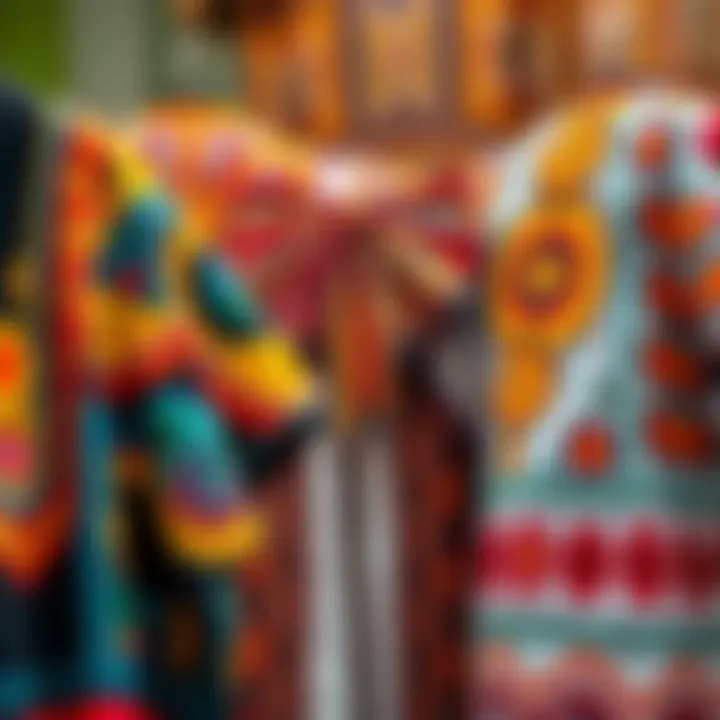
In recent years, the embroidered dashiki has emerged as more than just a clothing item; it embodies a rich tapestry of cultural history and social dialogue. This traditional garment, rooted in West African heritage, has found its way into modern wardrobes, establishing itself as a symbol of identity and artistic expression. Its embroidery tells stories of craftsmanship, seasonality, and heritage, serving as a canvas for skilled artisans to weave their narratives.
As we explore the multifaceted significance of the embroidered dashiki, we will delve into its vibrant history and how these garments relate to contemporary fashion trends, movements, and sustainability practices. The return of the dashiki to the fashion forefront is not merely a trend but a powerful reconnection with cultural roots, making it a must-know for designers, retailers, stylists, and influencers.
Fashion Trends and Insights
Current Trends in Clothing Styles
The fashion landscape is ever evolving, but the dashiki’s journey has particularly resonated in today’s culture. Bold patterns and vivid colors bring a splash of liveliness to wardrobes; they act as a declaration of identity in a world where fast fashion often dominates. With an uptick in conscious consumerism, individuals are gravitating towards clothing that signifies a deeper meaning, distinct from the mainstream.
The embroidered dashiki stands at the intersection of comfort and elegance. Its loose-fitting silhouette promotes ease of movement while allowing the ornate embroidery to shine. Fashion designers are now experimenting with the dashiki, incorporating elements such as asymmetrical cuts, layering, and fusion with modern styles. This makes the dashiki not just appropriate for casual outings but suitable for a range of occasions, from festivals to art gallery openings.
Influential Fashion Icons and Movements
The resurgence of the embroidered dashiki is influenced by various fashion icons and movements that embrace cultural authenticity. Figures like Beyoncé and Solange Knowles have showcased dashikis on global stages, instantly amplifying their visibility. Their influence is a reminder of how style can be interwoven with cultural pride.
Fashion movements advocating for inclusivity and diversity are also championing such garments. Brands focusing on ethical practices promote landfill-free living by breathing new life into traditional forms of dress, merging old with new, thereby promoting a narrative rooted in respect for heritage.
"Fashion is about expressing who you are and where you come from. The embroidered dashiki encapsulates that vibrant cultural lineage."
This growing acceptance and celebration of cultural garments have paved the way for designers, allowing them to blend authentic craftsmanship with high fashion elements.
Sustainable Fashion Practices
Eco-Friendly Fabrics and Materials
Sustainability is crucial in today’s fashion narrative. The embroidered dashiki aligns well with eco-conscious practices, particularly when crafted from organic and recycled materials. For instance, using natural dyes and handwoven fabrics reduces environmental impact while ensuring that artisans maintain traditional techniques. The cultural significance of the dashiki can extend into sustainable practices, marrying conservation with tradition.
Building a wardrobe with these considerations can feel daunting. However, integrating dashikis into one’s wardrobe can be a practical entry point. Many contemporary designers focus on materials that resonate with environmental accountability, appealing to consumers with ethical values.
Tips for Building a Sustainable Wardrobe
If you want to create a sustainable wardrobe around embroidered dashikis, consider the following tips:
- Invest in Quality: Choose garments that are well-made, meaning they will last longer and reduce waste.
- Mix and Match: Dashikis can be styled with various clothing, from jeans to skirts, enhancing versatility.
- Shop from Ethical Brands: Seek out labels that prioritize fair trade practices and showcase artisanal craftsmanship.
- Care for What You Have: Proper garment maintenance prolongs the life of your dashiki; washing carefully and storing it appropriately is essential.
Foreword to the Dashiki
The dashiki, a vibrant garment steeped in cultural history, serves not only as clothing but as a symbol of identity and expression. As you delve into the embroidered dashiki, it's essential to appreciate its roots and the meanings woven into every thread. This article will navigate through the rich terrain of the dashiki’s significance, from its origins to its modern-day adaptation.
In this exploration, we will break down key elements that define the dashiki, shedding light on its historical context. Understanding what the dashiki represents can enrich one’s perspective and elevate discussions about cultural identity in fashion today. The dashiki’s story is not merely about fabric; it’s about communal ties, artistry, and the resilience of tradition.
Defining the Dashiki
The dashiki is more than an outfit; it’s a declaration. Characterized by its loose fit and detailed embroidery, the garment typically features a collar and bold prints that echo the vibrant culture of West Africa. Originally worn by men, today it serves all genders, embracing a spirit of inclusivity.
This attire often comes in various fabrics, from cotton to silk, making it versatile for both casual looks and more formal occasions. The dashiki transcends mere fashion; it's a canvas reflecting one's heritage, often adorned with intricate embellishments that tell a story.
Historical Context
Origin in West Africa
When looking at the origin of the dashiki in West Africa, it's impossible not to marvel at the craftsmanship steeped in tradition. This garment, alongside other traditional wear, has roots deeply embedded in the cultures of countries like Ghana, Nigeria, and Senegal. The dashiki’s popularity surged during the 1960s and 70s, symbolizing unity and cultural pride during the civil rights movement in the United States. This history is crucial: it demonstrates how a piece of cloth can become a powerful emblem of identity, speaking volumes about the struggles and triumphs of a people.
What makes the dashiki particularly unique is its ability to adapt while still retaining cultural significance. The bright colors and patterns often denote specific meanings, representing tribes, lineage, and even social status. This aspect not only highlights the popular nature of dashikis but also their beneficial role in fostering cultural appreciation and dialogue.
Evolution through Colonial Times
The evolution of the dashiki through colonial times is another layer of this garment's rich narrative. Colonial influences altered many aspects of African life, including attire. As Western styles mingled with indigenous design, the dashiki transformed, finding its place in both the traditional and the modern wardrobe.
Historically, the dashiki stood resilient during times when many cultural practices were discouraged. It became a statement against oppression, showing the tenacity of African cultural identity. While some might argue that colonial influences diluted its essence, others see this blending as an opportunity for rich reinterpretation.
Today, as the dashiki strolls back into mainstream fashion, it is essential to consider this duality: retaining cultural integrity while engaging with global aesthetics. Understanding where the dashiki has been allows us to appreciate where it is going. Fashion designers, retailers, and stylists alike have the opportunity to curate pieces that respect heritage while inviting innovation, nurturing a dialogue that resonates with the contemporary wearer.
Understanding Embroidery Techniques
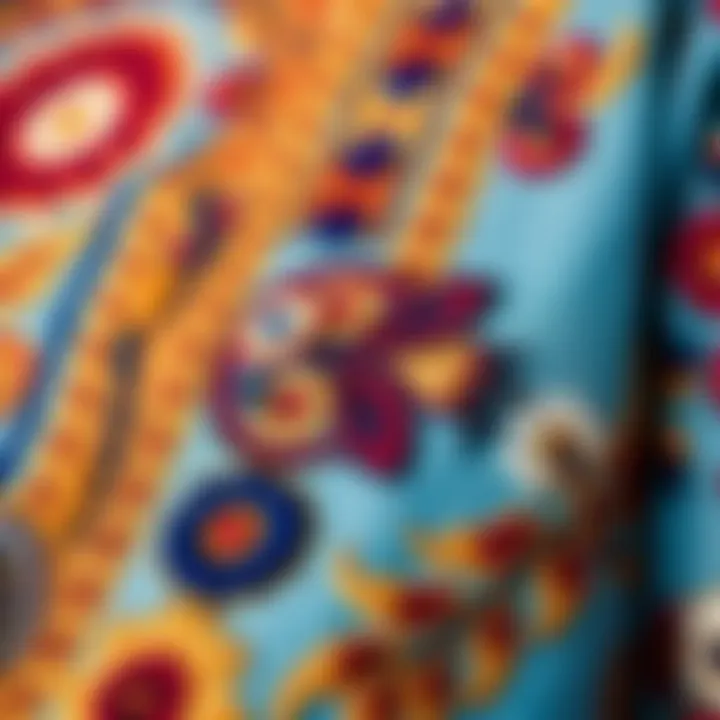
Embroidered dashikis are not just beautiful pieces of clothing; they embody art and tradition woven into every thread. Understanding the embroidery techniques used in their creation is crucial. This knowledge not only highlights the craftsmanship involved but also brings to light the cultural stories behind each stitch.
Types of Embroidery Used
Hand Embroidery vs. Machine Embroidery
The choice between hand embroidery and machine embroidery can significantly impact the final outcome of a dashiki. Hand embroidery is a meticulous process that incorporates an array of techniques performed manually. This type of embroidery is often seen as more authentic and personal. Each stitch carries the unique touch of the artisan, making it special. The individual skill level of the embroiderer can shine through, adding a depth of character to the garment.
On the other hand, machine embroidery offers speed and consistency. This technique caters to larger-scale production, making it a popular choice among retailers aiming for efficiency. However, it may sometimes lack the nuanced touch that hand embroidery provides. The choice often boils down to the desired look and the message the creator wants to convey.
- Advantages of Hand Embroidery:
- Disadvantages:
- Advantages of Machine Embroidery:
- Disadvantages:
- Personal touch and uniqueness.
- Ability to create intricate designs.
- Time-consuming and often more costly.
- Faster production.
- Consistency in design.
- Limited design options compared to handwork.
Cultural Patterns and Symbols
Cultural patterns and symbols are the soul of embroidered dashikis. These motifs often hold significant meaning, reflecting the heritage and stories of the community. Various regions have distinct designs, which can signify tribal identity, social status, or even personal beliefs. For instance, the Adinkra symbols from Ghana convey wisdom and important life lessons.
Integrating these patterns into dashikis connects the wearer to their ancestry, allowing them to showcase a piece of their culture in a modern context. These designs serve as a reminder of one's roots, transcending mere fashion and entering the realm of cultural expression.
- Advantages of Cultural Patterns:
- Disadvantages:
- Promotes cultural awareness and appreciation.
- Creates a sense of belonging.
- Potential for misinterpretation or appropriation if not handled respectfully.
Tools and Materials
The crafting of embroidered dashikis relies heavily on the right tools and materials. Various fabrics and craftsmanship tools come together to create the final piece, contributing to the garment’s overall aesthetic and durability.
Fabrics Commonly Used
Choosing the right fabric is crucial in embroidery. Typically, dashikis are made from cotton, which is breathable and comfortable. Cotton allows for vibrant colors to pop, showcasing the intricate embroidery beautifully. Other materials like silk or linen may also be used, depending on the desired texture and use of the garment. Silk, for example, provides a luxurious finish but can be less durable than cotton, making it better suited for special occasions.
- Benefits of Using Cotton:
- Drawbacks:
- Breathable and comfortable for daily wear.
- Holds embroidery well without fraying.
- May require more care to maintain.
Threads and Color Choices
The selection of threads and colors is a vital aspect of embroidery. Threads typically come in cotton, polyester, or silk, each offering different finishes and textures. The color scheme often reflects regional affiliations or personal styles. Bright colors tend to draw attention, while earth tones may convey a more subtle elegance. The choice of color is not only about aesthetics; it often holds cultural significance, linking it back to traditional meanings.
- Key Characteristics of Threads:
- Advantages of Specific Thread Choices:
- Durability and colorfastness.
- Compatibility with chosen fabrics.
- Cotton for comfort and breathability; silk for shine.
- Consider local artistic traditions to enhance cultural authenticity.
Overall, understanding embroidery techniques isn't just about the mechanics. It’s about grasping the layers of meaning behind these beautiful representations of culture through fabric and thread.
Cultural Significance of Embroidered Dashikis
The embroidered dashiki carries not just fabric and thread, but a history steeped in culture and identity. In diving into its significance, we see how it transcends mere aesthetics and weaves a narrative of heritage that has evolved over generations. Most importantly, the dashiki in its embroidered form reflects a deeper connection to ancestry, offering a vivid representation of traditions that are cherished in African communities.
Symbol of Identity
Traditional Roles in Ceremonies
The dashiki plays a pivotal role during various ceremonies, marking important life events such as weddings, births, and cultural festivals. It is not just worn; it tells a story. Each embroidery choice can carry specific meanings, often symbolizing the wearer’s family history or personal achievements. Many wear vibrant embroidered dashikis during cultural gatherings, celebrating their ties to heritage and communal unity. This aspect makes it a popular choice, as individuals seek to express their pride and cultural lineage in public settings.
Key ceremonial occasions, whether it be a joyful wedding or a somber funeral, often highlight traditional attire that strengthens community bonds. While the beauty of embroidered dashikis shines in their intricate designs, maintaining these traditions also supports artisans' skills across generations, ensuring that cultural values are passed on.
Connecting Generations
In families, the dashiki serves as a bridge. Passing down a dashiki from parent to child is a practice loaded with emotional weight. Every stitch tells the story of the wearer's cultural identity and offers a tangible connection to previous generations. The teaching of embroidery techniques often becomes a communal activity where younger generations learn from their elders.
This unique feature is significant in that it not only preserves the art but also fosters communication among family members. It essential for today’s youth to understand the stories behind these garments as they are often viewed with pride and reverence, making it a beneficial choice to include in discussions about cultural significance. Modern reinterpretations of these traditional garments challenge younger wearers to understand and respect their heritage amidst contemporary influences.
Contemporary Reinterpretations
Adoption in Global Fashion
As global fashion embraces diversity, the embroidered dashiki has made its way into mainstream style. Designers are reimagining its patterns and silhouettes, which can indeed be seen on runways and everyday wear. What’s notable is the way these garments are marketed, often mingling traditional designs with modern cuts and fabrics, appealing to a broader audience that extends well beyond African borders.
This adaptation signifies not just an aesthetic shift but a cultural dialogue that respects the original essence while allowing for innovation. However, this global presence prompts a conversation about the respect due to the dashiki’s cultural roots, making it a hot topic in fashion circles today.
Influence of Cultural Appropriation
While the dashiki gains visibility, the concept of cultural appropriation lingers in conversations around fashion. When individuals from outside African cultures wear embroidered dashikis, it can spark debate. At its core, cultural appropriation raises concern over respecting the origins and meanings embedded in these garments. Young designers and influencers are increasingly tasked with navigating these waters, balancing modern appeal with honoring the cultural significance of the dashiki.
The charge here is to raise awareness, encouraging consumers to understand the histories and narratives tied to what they wear. A greater appreciation for the dashiki can sustain its value and support the artisans behind the craft, who struggle to maintain their cultural identity in a rapidly changing world.
In essence, the embroidered dashiki is not just a piece of clothing; it is a vibrant emblem of identity, an artifact of connection, and a tool for ongoing dialogue about culture and respect within the fabric of global fashion.
Now, as we move forward, the discussion on styling such garments invites an exploration of how to harmonize traditional artistry with modern aesthetics.
Styling the Embroidered Dashiki
Styling the embroidered dashiki is an essential topic to explore. It goes beyond just wearing a garment; it’s about how to express cultural identity and individual personality through fashion. The choices made in pairing a dashiki with various outfits and accessories enhance its aesthetic appeal and cultural resonance.
Versatile Pairings
Casual Outfits
Casual outfits featuring the embroidered dashiki are a popular choice due to their comfort and ease of wear. Casual pairings often consist of relaxed jeans, shorts, or even joggers, which allow the dashiki’s vibrant colors and intricate designs to take center stage. The key characteristic of these outfits is their ability to blend traditional beauty with everyday practicality. What makes casual outfits featuring dashikis even more appealing is their versatility; they can transition effortlessly from a day out with friends to a casual lunch date.
The unique element of casual styling lies in layering. For instance, pairing a bold dashiki with a simple tank top and jeans allows for comfort while still showcasing the intricate embroidery. The main advantage here is that one can maintain cultural richness while embracing modern-day wearability. However, one potential downside might be the risk of overshadowing the embroidered detail with overly busy or trendy bottom wear. Thus, it's crucial to strike a balance that emphasizes the dashiki’s artisanal quality without distraction.
Formal Attire Fusion
On the other end of the spectrum, formal attire fusion presents an opportunity to elevate the dashiki into sophisticated settings. Infusing elements like tailored trousers or even skirts adds an unexpected twist to traditional sophistication. The key here is the juxtaposition of the dashiki’s casual roots with more structured pieces, creating a fascinating dialogue between the old and the new. This fusion reflects a broader narrative of modern cultural expression where heritage meets high fashion.
The unique feature of formal attire fusion is the ability to accessorize with high-end jewelry or polished footwear. This can transform the look entirely, making it suitable for events such as weddings or art shows. One significant advantage of this style is that it allows individuals to stand out as it challenges conventional formal attire norms. However, a disadvantage might be the restricted freedom of movement and comfort when heavily tailored pieces are chosen, so it is wise to choose materials that maintain comfort without sacrificing style.
Accessorizing for Impact
Jewelry Selections
When it comes to accessorizing an embroidered dashiki, jewelry selections can make a world of difference. Opting for statement pieces that reflect traditional craftsmanship can complement the intricate work of the dashiki beautifully. For instance, wearing chunky bead necklaces or oversized earrings can channel the cultural essence embodied in the garment.
The key characteristic of jewelry selections in dashiki styling is the emphasis on handcrafted items that resonate with cultural significance, adding depth to the overall look. This makes it a beneficial choice as it not only highlights personal style but also pays homage to African artistry. However, one must be cautious; over-accessorizing can detract from the dashiki itself, losing the elegant essence that makes it unique.
Footwear Choices
Footwear choices also play a crucial role in completing the dashiki look. Depending on the occasion, a range of footwear can be utilized—from chic sandals for casual outings to elegant pumps for more formal engagements. Sandals, especially those designed with African patterns, can create a harmony between outfit and footwear, keeping it culturally relevant.
The benefit of selecting the right footwear lies in its potential to either ground the look or elevate it further into the realm of high fashion. Comfortable yet stylish options allow one to move freely while still looking composed. However, it's essential to stay mindful of the dashiki’s color palette. Mismatched colors or overly busy designs can detract from the serene aesthetic of well-crafted embroidery, thus requiring attention to detail in every aspect of styling.
The art of styling an embroidered dashiki is more than just fashion; it is a celebration of culture, individuality, and the rich tapestry of history woven into each piece.
Ultimately, what you choose to wear alongside an embroidered dashiki shapes not only your outfit but also the stories you tell through fashion.
Sustainability in Dashiki Production
Sustainability in dashiki production is not just a passing trend; it's a vital necessity that addresses the growing environmental concerns and ethical challenges within the fashion industry. As awareness about sustainable practices increases, the dashiki, a garment steeped in cultural significance, stands at the convergence of tradition and modern ecological responsibility. By focusing on sustainable methods, the craft of creating dashikis can maintain its heritage while contributing positively to the planet.
Eco-Friendly Fabrics
Natural Dyes
Natural dyes offer a remarkable avenue for eco-conscious fashion that seeks to honor tradition while minimizing environmental impact. These dyes, derived from plant materials, insects, and minerals, are not only biodegradable but also possess a depth of color that synthetic dyes often lack. The unique characteristic of natural dyes is their ability to create an array of hues using local flora, thus connecting the garment to its geographical roots. This choice directly contributes to the sustainability narrative by reducing reliance on harmful chemicals often used in conventional dyeing processes.
However, there are challenges; natural dyes can be less vibrant and may fade more quickly compared to their synthetic counterparts. Despite this, many artisans embrace the subtle beauty and authenticity that natural pigments provide. They appreciate how each dyed piece tells its own story through its color variations, offering a deeper cultural resonance.
Recycled Materials
The use of recycled materials introduces another layer of sustainability to dashiki production. By repurposing fabrics that might otherwise end up in landfills, designers and artisans create a unique blend of styles and textures that reflect both innovation and environmental consciousness. A key characteristic of recycled materials is their ability to lessen the demand for new textile production, which is often resource-intensive. This choice resonates with a consumer base hungry for fashion that is not only stylish but also ethical.
Yet, one must consider the mixed perceptions surrounding recycled textiles. Some consumers may question the durability and aesthetic of recycled fabrics. Still, the growing creativity seen in using these materials dispels such doubts, turning potential flaws into selling points. As we see more recycled textiles gain popularity, it's evident that these materials can embody both sustainability and style, striving for a balance between modern fashion trends and environmental responsibility.
Supporting Local Artisans
Supporting local artisans through fair trade practices is essential in fostering a sustainable community around dashiki production. By prioritizing fair labor conditions, artisans receive better compensation for their work, which empowers them economically and socially. This approach underscores a commitment to ethical production methods that align with modern consumer values. Fair trade practices ensure that each seam stitched contributes to the well-being of the community, rather than exploiting it.
Benefits of fair trade include the creation of stable jobs and opportunities for local entrepreneurs who can produce high-quality garments. However, navigating the fair trade landscape can be complex, as not all artisans have access to certifications. The integrity of the supply chain often reflects in the final product, meaning that transparency is critical for consumers aiming to make informed purchases.
Community Impact
The community impact of dashiki production extends beyond economic benefits. It fosters a sense of identity and pride among artisans who channel their cultural heritage into their craft. This practice not only helps preserve traditional techniques but also fosters a communal atmosphere for sharing knowledge and skills. Each embroidered dashiki produced becomes a collective expression of cultural heritage that echoes through generations.
Moreover, supporting local production mitigates the environmental effects related to shipping and mass manufacturing. The focus on localized craft allows communities to maintain ownership of their cultural symbols while adapting to contemporary trends, ensuring that the dashiki remains not only a fashion statement but also a testament to a vibrant cultural legacy. However, the challenge remains in balancing globalization with local craftsmanship. As demand grows, it is vital to ensure that local artisans are not overshadowed by mass production, keeping the heart of the dashiki alive.
"Fashion is an external expression of one's inner thoughts, and when done sustainably, it also reflects a commitment to a better world."
The push for sustainability in dashiki production encapsulates much more than simply crafting garments; it involves nurturing environments, cultures, and communities. This intersection of tradition, ethical practices, and evolution broadens the scope of what a dashiki can represent in the modern world.
The Future of the Embroidered Dashiki
As we look ahead, the embroidered dashiki is set to evolve even further, intertwining fashion with cultural identity in new and exciting ways. This garment is not just a relic from the past; it stands as a living canvas reflecting our shifting attitudes towards heritage, sustainability, and creativity in fashion. The future of the embroidered dashiki will likely hinge on a few pivotal elements that include technological innovations and an artful balance between modern aesthetics and traditional designs.
Trends to Watch
Digital Fashion Integration
The marriage of technology with fashion is becoming more commonplace, and the embroidered dashiki is not an exception. Integrating digital fashion into the world of embroidered dashikis allows for a broader scope of creativity. One distinctive aspect of digital fashion is the use of augmented reality (AR) and virtual reality (VR) technologies to design and showcase garments. For example, designers might offer virtual fittings where customers can see how an embroidered dashiki would look on them without ever trying it on in person.
This approach isn’t merely a flashy gimmick; it promotes accessibility and flexibility in fashion while sidelining the limitations of physical production. The ability to visualize and customize designs enhances user engagement and could lead to increased sales for retailers. However, one must tread carefully. The disconnect between the digital and the tangible can sometimes lead to a loss of appreciation for the craftsmanship and stories behind traditional garment-making.
New Designers Innovating the Craft
Today’s designers are stepping into the limelight with fresh perspectives that breathe new life into the embroidered dashiki. Each new wave of designers brings their own vision, exploring innovative techniques and materials to expand the garment’s appeal. Their approach is often characterized by a mix of traditional motifs with modern designs, elevating the dashiki from a cultural symbol to a versatile wardrobe staple.
Young designers often experiment with colors, textures, and sustainable fabrics, appealing to a conscious consumer base that values environmentally friendly practices. Notably, some designers opt for limited-run collections that celebrate local artisans' skills while making a statement about ethical fashion. On the flip side, introducing new styles risks alienating traditionalists who feel that the essence of the dashiki might get watered down in favor of trendiness.
Preserving Cultural Integrity
Balancing Modernity with Tradition
In an age where change is constant, maintaining the cultural integrity of the embroidered dashiki poses a challenge. Balancing modernity with tradition is crucial. This involves respecting the dashiki's roots while allowing it to be reinterpreted in contemporary contexts. The key is to stay grounded in the rich heritage it represents while being open to design evolution.
Many agree that the embroidered dashiki can thrive in modern fashion without losing its cultural essence, as long as it remains a reflection of its historical significance. This balance ensures that those who wear it are in touch with their cultural identity and that the garment continues to resonate with new generations. Yet, this fine line must be respected; otherwise, we risk trivializing a symbol rich with meaning.
Role of Education in Cultural Awareness
Education plays a vital role in fostering appreciation for the embroidered dashiki among a broader audience. Workshops and community programs can help demystify the craftsmanship behind these garments, instilling a sense of respect and understanding.
Creating educational content, perhaps through media, can amplify awareness about the implications of cultural appropriation and the importance of acknowledging the dashiki’s origins. Highlighting the historical narrative encourages consumers to make informed choices in their fashion purchases.
By enriching the public's knowledge about the embroidered dashiki, we create a culture of respect and appreciation, ensuring that this iconic piece not only thrives in fashion but retains its narrative power. This integration of educational initiatives presents both opportunities and challenges in promoting cultural awareness, as not everyone may receive it with an open mind.
The fate of the embroidered dashiki relies not just on its presence in the fashion industry, but also on how well we understand and celebrate its cultural significance and history.
Finale
Understanding the embroidered dashiki encompasses not just its aesthetic, but also its profound cultural significance and modern relevance. The journey of the dashiki, from its roots in West Africa to its place in contemporary fashion, represents a tapestry woven with threads of history, identity, and artistry.
Reflecting on the Dashiki's Journey
The narrative of the dashiki is like a river flowing through time, carrying with it the tales of those who wore it, crafted it, and were shaped by it. Originating in West Africa, this garment started as a communal attire, steeped in rituals and celebrations. Over decades, the dashiki has navigated the tumultuous waters of colonialism, gaining new dimensions in its symbolism and style. Today, it retains its essence while embracing modern influences, ensuring that the tradition doesn’t just survive but thrives.
Reflecting on this journey, one must contemplate how these garments have undergone transformations yet remain trailing anchors of cultural heritage. The embroidered details—each stitch almost narrating stories of the ancestors—are now reinterpreted in global contexts. Designers breathe new life into traditional embroidery, creating fusion pieces that resonate with a wide array of audiences. This revitalization not only honors the past but fosters dialogue about heritage in this fast-paced modern world.
The Dashiki as a Fashion Staple
As we stand today, the embroidered dashiki is much more than a mere article of clothing; it has evolved into a significant fashion staple. In wardrobes across continents, the dashiki bears witness to the blending of ethnic and contemporary styles. Its versatility is one of the many reasons for its enduring appeal. Paired with jeans, skirts, or tailored trousers, it effortlessly transitions from a casual outing to more formal settings.
The reimagining of the dashiki is not always without controversy; it raises pertinent questions about cultural appropriation. Both designers and consumers are increasingly aware of the importance of respecting the origins and meanings behind these garments. Fashionistas now face a balancing act, straddling comfort and style while ensuring they honor the cultures that inspire them. The narrative has shifted—from mere trendiness to thoughtful expression.
In essence, the embroidered dashiki symbolizes more than just fabric and thread; it showcases a bridge connecting traditions with modernity, heritage with fashion, and identity with community. As we move forward, the challenge remains—how do we continue to celebrate and respect this rich culture, ensuring the embroidered dashiki remains a powerful statement in both fashion and society?
For more information on the history and significance of dashikis, check out these resources: Wikipedia, Britannica, and community discussions on Reddit.
The embroidered dashiki is not just a garment; it is a reflection of identity, culture, and art. This enduring style serves as a reminder of the rich tapestry of stories and connections we all share.