
Exploring the Draped Asymmetrical Dress: A Fashion Enigma
Intro
The draped asymmetrical dress stands as a testament to the innovative spirit of modern fashion, defying conventional design while captivating a diverse audience. These dresses are not just articles of clothing; they embody a blend of art and functionality that reflects the wearer's unique personality. With an allure that is both contemporary and timeless, they lend themselves to a multitude of styling possibilities, making them a staple for fashion-forward individuals.
In this article, we will embark on a thorough exploration of the draped asymmetrical dress, unearthing its historical roots, the techniques used in its construction, and the cultural significance it carries in today’s fashion landscape. By peeling back the layers, we aim to provide designers, retailers, stylists, and students with an insightful understanding of this fascinating garment, as well as practical tips for incorporating it into contemporary wardrobes.
Fashion Trends and Insights
Current Trends in Clothing Styles
Fashion is constantly evolving, and the draped asymmetrical dress has found its niche within the latest trends. Currently, the focus is on versatility and comfort, with shoppers opting for garments that can seamlessly transition from day to night. The asymmetrical silhouette adds a touch of elegance and sophistication, offering a refreshing alternative to traditional pieces.
With prints and bold colors making a return, many designers are infusing their asymmetrical dresses with vibrancy and artistic flair. The layering technique is also prevalent, allowing wearers to showcase their creative side. Notably, garments that gracefully flow and contour to the body have gained popularity among those seeking comfort without sacrificing style.
Influential Fashion Icons and Movements
Icons like Rihanna and Solange Knowles have been pivotal in popularizing the draped asymmetrical dress in recent years. Their fearless approach to fashion inspires countless admirers, making these dresses synonymous with boundary-pushing style. Emerging designers, too, are contributing by showcasing innovative interpretations of this classic cut, often drawing from cultural influences that enrich the design process.
Fashion movements such as the sustainable fashion movement are also shaping the landscape of asymmetrical dresses. Designers are increasingly prioritizing eco-friendly practices, which leads to garments that not only look good but also resonate with conscious consumers. The interplay of style and ethics becomes evident as more individuals seek to express their values through their wardrobe choices.
"The draped asymmetrical dress is more than just a fashion statement; it represents individuality and a break from the mundane."
Sustainable Fashion Practices
Eco-Friendly Fabrics and Materials
As environmental concerns loom larger, the call for sustainable fabrics has grown louder. Designers are exploring materials such as organic cotton, Tencel, and linen to construct beautiful and environmentally responsible draped asymmetrical dresses. These fabrics not only minimize ecological footprints but also enhance comfort and wearability.
Tips for Building a Sustainable Wardrobe
When investing in a draped asymmetrical dress, consider the following tips to ensure your wardrobe remains sustainable:
- Research the Brand: Look for brands committed to ethical production practices.
- Opt for Timeless Designs: Choose colors and styles that withstand fleeting trends.
- Prioritize Quality: Select dresses that use high-quality materials to ensure longevity.
- Mix and Match: Style your dress with various accessories to create multiple looks, making it a versatile addition to your closet.
Foreword to Draped Asymmetrical Dresses
Draped asymmetrical dresses have carved a distinct niche in the realm of contemporary fashion. They stand out not just for their unique silhouette but also for their ability to merge artistic flair with sophisticated elegance. This section aims to shed light on the significance of these garments, exploring how their design elements contribute to an individual's personal style.
Definition and Characteristics
At its core, a draped asymmetrical dress is designed with a flowing, often non-linear silhouette that enhances the wearer’s figure. These dresses commonly feature one shoulder, uneven hemlines, or fabrics that cascade in a manner that adds depth and movement. The key characteristics include:
- Drape: The fabric is arranged to create soft folds and layers, which can be manipulated to create visual interest.
- Asymmetry: Unlike traditional designs that rely on symmetry, these dresses use unevenness as a form of expression, offering a dynamic look.
- Versatility: They can be tailored for both casual wear and formal occasions, demonstrating their adaptability in various settings.
The appeal lies in how these dresses permit a diverse range of expressions, allowing wearers to showcase their style while remaining comfortable. The juxtaposition of form and flow embodies a sense of freedom, capturing the essence of modern femininity.
Historical Context
Exploring the origins of draped asymmetrical dresses reveals their deep-seated roots in fashion history. These dresses don't spring up from nowhere; they are a continuation of a long-standing trend of asymmetry in clothing.
During the ancient times, garments such as the Greek chiton or Roman toga showcased draping techniques that were not only practical but also aesthetically pleasing. These garments often featured soft fabrics that wrapped around the body, creating a graceful silhouette.


Fast forward to the early 20th century, where fashion houses began to experiment with unconventional hemlines and draping techniques. Designers like Mariano Fortuny redefined evening wear by introducing exquisite draping that enhanced the female form while allowing for ease of movement. The 1970s saw further experimentation with bohemian styles, where asymmetric cuts became more mainstream, especially in the hands of influential designers like Issey Miyake.
Today, draped asymmetrical dresses can be spotted on red carpets, in fashion shows, and even in everyday wardrobes. Their evolution signifies not just a trend but a larger cultural shift towards embracing individuality in style choices.
"Fashion is art and you are the canvas. Draped asymmetrical dresses blur the lines between structured design and fluid artistry."
As we dive deeper into this article, we will unravel the construction, styling options, and cultural significance of these captivating garments.
Constructing the Draped Asymmetrical Dress
Creating a draped asymmetrical dress is not just about putting together fabric and a pattern; it’s about weaving a narrative of style, creativity, and expression. This section must lay the foundation for understanding the essential building blocks of such a captivating garment. The importance of this section lies in elucidating the interplay of various components that make the dress a fashion statement.
Draped asymmetrical dresses often combine elegance with a touch of avant-garde flair. The way the fabric falls and flows can alter the perception of the body shape. Therefore, knowing how to construct them allows designers, retailers, and stylists to meet clients’ demands for unique, customized, and expressive outfits.
Key Design Elements
Design elements are vital in this context. Key features often include:
- Unequal Hemlines: This characteristic is crucial, typically elevating one side of the dress while lowering the other, creating an eye-catching silhouette.
- Draping Techniques: Expert draping gives the garment its unique character. The folds and layers can create movement and depth, offering a dynamic appeal.
- Bodice Structure: The fit around the bodice can dramatically change the look of the dress. A well-structured bodice might have incorporated boning, ensuring support and maintaining the integrity of the drape.
- Flow and Weight of Fabric: Choosing lightweight or heavier materials can influence the drape. Fluid fabrics such as silk and chiffon are often used for their ability to flow, while heavier fabrics like jersey can provide a different, more structured look.
Designers should think outside of the box. Combining asymmetrical lines with unique design elements can set a piece apart in a saturated market.
Fabric Selection
When it comes to fabric selection, water runs deeper than just choosing what looks pretty. Each fabric tells a different story and evokes distinct emotions. It’s essential to contemplate the following:
- Texture and Feel: Wearing something that feels good is as important as looking good. The texture should complement the intended style of the dress.
- Drape and Fall: Fabrics like georgette or tulle can offer beautiful flow and movement, while cotton or canvas may create a more structured appearance.
- Color and Pattern: Selecting a color is a gamble of sorts. Bright hues can project confidence, while paler tones often exude soft elegance. Patterns need consideration too, as they can either accentuate or conceal shapes.
Currently, many brands are adopting eco-friendly fabrics. This sustainable route not only caters to the environment but can also resonate well with eco-conscious consumers.
Sewing Techniques
Sewing techniques are the glue that hold all elements together. It relies heavily on three primary considerations:
- Precision in Seams: Ensuring accurate seam allowances is non-negotiable. Problems like puckering can emerge otherwise, potentially ruining the aesthetic of the drape.
- Techniques for Drape: This could involve bias-cutting, which allows fabric to fall softly and create that flowing movement crucial to the style.
- Finishing Techniques: Using techniques like French seams or serging helps in achieving a polished look. Unfinished edges can detract from the garment's overall sophistication, particularly in a piece focused on draping.
Styling the Draped Asymmetrical Dress
Styling the draped asymmetrical dress is not just about throwing on a piece of clothing; it’s an art form that marries aesthetic appeal with individual expression. This type of dress brings a distinctive flair to any outfit, allowing wearers to showcase their unique style through different occasions. The importance of understanding how to effectively style this garment cannot be overstated, as it significantly impacts how one carries their persona and makes an impression on others. Comfort, versatility, and an understanding of the overall vibe are all key when enhancing the draped asymmetrical dress.
Occasion-Based Styling
Casual Events
When it comes to casual events, draped asymmetrical dresses stand out for their relaxed elegance. This dress style embodies a carefree spirit, making it a popular choice for brunches, casual outings, or a day at the park. The flowing lines and unconventional shapes of these dresses offer comfort without sacrificing style.
One key characteristic of casual draped asymmetrical dresses is their lightweight fabrics. These materials tend to breathe easily, offering not just comfort but also a sense of ease in movement. This is particularly beneficial during warmer months, keeping the wearer feeling cool and stylish. Additionally, casual styling often allows for playful patterns and colors, enabling wearers to express their personality visibly.
However, while the advantages are vast, there might be downsides like the risk of being slightly underdressed for semi-formal occasions if not styled correctly. It’s essential to strike the right balance with other elements like shoes and accessories to ensure a polished look.
Formal Gatherings
In contrast, the draped asymmetrical dress charms at formal gatherings by seamlessly blending sophistication with an artistic silhouette. This aspect makes it a favorite choice for events that require a touch more elegance, such as weddings, cocktail parties, or important business meetings. The inherent fluidity of these dresses contributes an air of grace while projecting confidence.
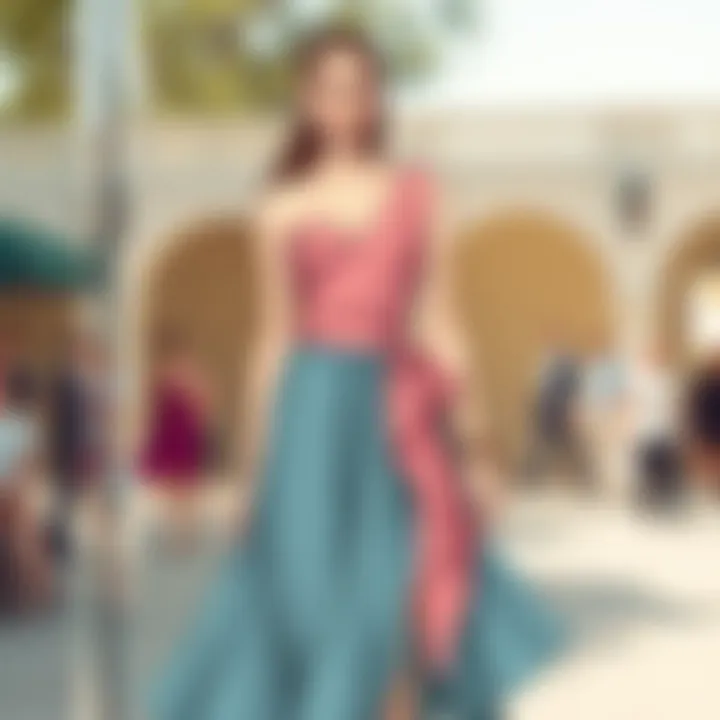
The allure of a formal draped asymmetrical dress lies in its unique features, such as bold necklines or dramatic hemlines. Such details not only make it eye-catching but also elevate it to a level suitable for high-stakes occasions. When combined with rich fabrics like silk or chiffon, these dresses achieve a luxurious aesthetic.
Nonetheless, it is crucial to be mindful of fit and choice of accessories. Poorly fitted garments or clashy accessories can undermine the intended elegance, making it essential to use proper tailoring methods and complementary elements to maintain visual harmony.
Seasonal Adaptations
Seasonal adaptations of the draped asymmetrical dress also showcase its versatility. Depending on the time of year, these dresses can be transformed to suit various climates, contributing to their popularity in diverse settings.
For spring and summer, airy materials paired with lively motifs can evoke refreshment and style. In contrast, implementing layered components like turtlenecks or slip dresses makes them suitable for fall and winter, offering warmth without losing their charming essence.
A unique advantage here is the ability to seamlessly transition between seasons—using textures and layering techniques allows wearers to enjoy the versatility of asymmetrical drapes year-round. Adaptability is a major benefit, but care must be taken during colder months to ensure that the layers do not overwhelm the dress’s design.
Accessorizing for Impact
Jewelry Choices
Jewelry can friend or foe a draped asymmetrical dress; understanding how to select appropriate pieces is paramount in achieving the desired impact. Statement jewelry, such as bold earrings or layered necklaces, can complement the dress's unique characteristics without competing for attention. A key element is to find balance—one must avoid going overboard while ensuring that accessories enhance rather than overshadow.
Footwear Options
The choice of footwear greatly influences the overall aesthetic when styling a draped asymmetrical dress. Choosing between sleek heels or chic flats can convey different emotions—where heels may project an alluring elegance, flats provide comfortable sophistication. The central aspect here is coherence; your footwear should align with the overall vibe of the dress.
Outerwear Pairings
Outerwear pairing adds another dimension to styling a draped asymmetrical dress. A tailored blazer can solidify a chic look for a business presentation, while a loosely draped cardigan might lend a touch of coziness for a relaxed day out. The aim is to create a cohesive look while considering the aesthetic foundations the dress brings. Knowing how to layer effectively can either enhance or obscure the beautiful lines of the dress, making consideration key.
"Fashion is not just about clothes; it’s about the stories they tell."
Cultural Significance of Draped Asymmetrical Dresses
The draped asymmetrical dress is more than just a piece of clothing; it reflects a deeper cultural narrative within the fashion world. This kind of dress challenges conventional notions of beauty, offering a platform for personal expression and creativity. Designers and wearers alike are drawn to its ability to transcend simple aesthetics. It embodies a blend of innovation and tradition, allowing for unique individual statements while being embraced by fashion norms.
Influence on Modern Fashion
Draped asymmetrical dresses have roots deeply planted in various cultural histories, weaving together stories from different eras and societies. They have influenced modern fashion by encouraging designers to experiment with shapes, hemlines, and draping techniques. The emphasis on fluidity in design resonates with contemporary values, such as body positivity and self-acceptance, making such garments a symbol of empowerment for many.
- Fluidity of Form: The shapes often defy rigid silhouettes, resonating with movements towards inclusivity in fashion. Today’s consumer seeks comfort and expressiveness, which asymmetry provides beautifully.
- Eco-Consciousness: As sustainability takes center stage, the draped design allows for the creative use of fabric scraps and leftover materials, reducing waste. This encourages a culture of mindful consumption.
- Transcending Trends: Unlike seasonal fads that come and go, the draped asymmetrical style finds its place in various contexts—from casual outings to high-fashion runways, proving its adaptability and relevance.
In the realm of fashion, this dress contributes significantly to a more inclusive narrative. Its design elements often reflect a blend of various cultural influences, making it a melting pot of style and heritage.
Representation in Pop Culture
When it comes to pop culture, the draped asymmetrical dress frequently symbolizes rebellion against traditional fashion norms. It appears in music videos, celebrity red carpet events, and movies, often worn by figures who are seen as icons of individuality. For instance, artists and actors leverage this style to make bold statements, separating themselves from the mundane.
"Fashion is not something that exists in dresses only; fashion is in the sky, in the street, fashion has to do with ideas, the way we live, what is happening." – Coco Chanel
Some key examples include:
- Influential Celebrities: Stars like Billie Eilish and Zendaya are known for donning asymmetrical designs, utilizing their platforms to advocate for non-traditional beauty standards and inspire upcoming generations.
- Fashion Shows and Media: Major fashion weeks often showcase these dresses, amalgamating cultural commentary with cutting-edge design. Wearers are seen as trendsetters, bringing more attention to the versatility of this style.
- Social Media Presence: Platforms like Instagram and Pinterest have elevated the visibility of the draped asymmetrical dress, leading to a surge in popularity as influencers create personalized takes on the designs, merging fashion with lifestyle content.
By examining the influence and representation of draped asymmetrical dresses in modern culture, it is evident that they are not merely garments, but rather powerful symbols of change, acceptance, and ongoing dialogue within the fashion narrative.
Sustainability in Draped Asymmetrical Fashion
The relevance of sustainability in today’s fashion landscape cannot be understated. Draped asymmetrical dresses, while being a canvas for creativity and style, can also embody eco-conscious practices that resonate with fashion enthusiasts across the board. As the industry grapples with climate change and ethical controversies, integrating sustainable elements into the design and craftsmanship of these dresses is essential. Sustainable practices not only cater to an increasingly discerning clientele but also foster a positive brand image, setting the stage for future innovations in fashion.
Eco-Friendly Fabrics
Choosing the right fabric serves as the backbone of sustainability in draped asymmetrical dresses. Eco-friendly fabrics are made from materials that cause minimal environmental impact during their lifecycle. Notably, organic cotton is a popular choice due to its softness and environmental stewardship, as it is grown without harmful pesticides. Moreover, sustainable fibers such as Tencel, created from eucalyptus trees, are gaining traction for their biodegradable nature and low water consumption during production.
Another emerging fabric, hemp, stands out due to its robustness and regenerative farming practices. It also uses significantly less water and no synthetic fertilizers. These eco-friendly options not only reduce the ecological footprint but also enhance the wearer's experience through durability and comfort.
It's essential to consider certified organic materials, recycled fabrics, and innovative textiles like Piñatex, which is derived from pineapple leaf fibers, providing both a stylish and sustainable dressing choice. By adopting these materials, designers reimagine not just the garment but also the message it conveys—one of care and consideration for the planet.
"Sustainability is not just a trend; it’s the very fabric of future fashion."
Ethical Production Practices
Beyond the choices of fabric, the methodology of creating draped asymmetrical dresses plays an equally vital role in the pursuit of sustainability. Ethical production practices encompass fair labor conditions, transparent sourcing, and environmentally responsible manufacturing. Brands committed to these goals ensure that workers receive fair wages and operate in safe environments.
Local sourcing is one avenue addressing carbon emissions related to transportation. When designers collaborate with artisans in their community, they not only cut down on transportation costs but also nurture local economies. Additionally, employing small-scale workshops often leads to a more transparent production process, with individual craftsmen taking pride in their workmanship.
Supporting brands that prioritize ethical practices connects consumers with the story behind the dress. It augments the value of the piece, highlighting not just its aesthetic appeal but the social impact it fosters. Through this lens, wearing a draped asymmetrical dress can often mean supporting a lifestyle choice aimed at positive change in the fashion industry.
Thus, merging the art of design with a sustainable mindset not only transforms the draped asymmetrical dress but also imbues it with a narrative that resonates with contemporary values. As the conversation surrounding fashion evolves, the principles of sustainability and ethical production should remain front and center, driving forward a responsible and innovative future.
Customization and Personalization
Customization and personalization are to fashion what salt is to cooking—essential. The beauty of draped asymmetrical dresses lies not just in their inherent design but also in how they can be tailored to express one's individual style. They offer a blank canvas, waiting for the artist's touch. By exploring customization options, individuals can truly make a statement that resonates with their personality, cultural background, and lifestyle.
Tailoring Options
Tailoring is a critical component when discussing customization. A dress that flows gracefully on the rack can become a perfect fit with the right adjustments. Here are several key considerations when tailoring a draped asymmetrical dress:
- Alterations for Fit: This might involve shortening or lengthening hemlines, adjusting waistlines, or restructuring the draping to flatter unique body shapes. These subtle fixe make a world of difference in how a dress falls on a figure.
- Modifying the Draping: Changing how the fabric drapes can add an entirely new dimension to the dress. This might mean loosening or tightening particular sections to create a desired silhouette or effect.
- Adding or Removing Elements: A skilled tailor might even introduce additional features, like sleeves or cutouts, while removing unnecessary embellishments to streamline the overall appearance of the outfit.
When opting for tailoring services, it’s advisable to seek a professional who specializes in dress alterations. A dressmaker's expertise ensures that the adjustments made enhance the natural beauty of the piece, while maintaining its structural integrity.
DIY Adaptations
The thrill of creating something unique isn’t confined to professional tailors. For the more adventurous, DIY adaptations offer countless opportunities to personalize a draped asymmetrical dress. Here are some ideas to get the creative juices flowing:
- Fabric Paint or Dyes: With fabric paint or natural dyes, one can transform a plain dress into a vibrant expression of art. Patterns or designs that speak to personal experiences or interests can be a rewarding venture.
- Embroidery: Simple embroidery can be used to decorate the fabric, adding texture and detail. This might involve monogramming a favorite quote or simply outlining the drapes with delicate stitching.
- Length Alterations: For those who dare, adjusting the length by cutting or adding fabric is also an option. It’s essential, though, to consider how this impacts the overall flow and look of the dress, ensuring it maintains its graceful asymmetry.
For anyone uninitiated in sewing, there are plenty of online resources and communities dedicated to fashion DIY. Websites like Reddit often have forums where enthusiasts share tips and projects, making it easy to find inspiration and guidance.[1]
Customization, whether through professional tailoring or DIY efforts, is not just about altering a garment. It’s about crafting a wardrobe that speaks to who you are and represents your unique style in the world of fashion.
The End: The Timeless Appeal of Draped Asymmetrical Dresses
The world of fashion has long been one of evolution and reinvention, with the draped asymmetrical dress sitting at an intriguing crossroads of style, function, and cultural significance. As this article has explored, these garments not only offer a striking visual appeal but also represent a deeper narrative about personal expression and societal trends. From the influence of historical contexts to the innovative construction techniques, the draped asymmetrical dress continues to hold a vital place in contemporary wardrobes.
Recap of Design and Style
The draped asymmetrical dress distinguishes itself through its unique design elements. Characteristics such as twisted fabric, diagonal hemlines, and layered draping create a silhouette that is both timeless and modern. This style breaks the mold of conventional dress forms, allowing wearers to express their individuality. Additionally, the diverse fabric choices—from flowing silks to structured cottons—offer varying scopes for creativity. Individual styling possibilities cater to both casual and formal occasions, ensuring that this dress can seamlessly transition from day to night.
In respect to accessorizing, the balance between minimalism and bold accents can enhance the overall look. It is certainly no secret that the right pair of earrings or shoes can change the entire vibe of an outfit. Similarly, outerwear can instantly alter the impression, whether it’s a light cardigan for day wear or a structured blazer for a night out. These factors collectively underscore how the draped asymmetrical dress is not merely an article of clothing but rather a canvas for personal expression.
Future Trends
Looking ahead, the allure of draped asymmetrical dresses shows no signs of waning. With an increasing focus on sustainability, designers are now more than ever crafting pieces that complement both style and ethical practices. Expect to see more eco-friendly materials like organic cotton or recycled polyester making their way into collections, as consumers seek garments that are not just aesthetically pleasing but also environmentally responsible.
The future may also bring a deeper exploration of technology in fashion, with innovations like 3D printing altering garment construction. Such advancements could pave the way for even more complex draping techniques and personalized fittings. Furthermore, social media continues to play a noteworthy role in shaping trends, with influencers showcasing various styling possibilities that may well see the draped asymmetrical dress rise again in popularity.