
Crafting a Unique Pearl Necklace: A Complete Guide
Intro
Creating a pearl necklace isn't just about stringing together a few shiny stones; it’s an art form steeped in history, culture, and personal expression. Pearls have adorned the necks of royalty and fashionistas alike for centuries, symbolizing elegance and sophistication. In this guide, we will explore the intricate journey of crafting a distinctive pearl necklace—covering everything from selection to design, and the tools necessary for turning a simple idea into a stunning piece of jewelry.
Pearls come in various shapes, sizes, and colors, making each necklace unique. Whether you favor classic white, deep black, or the less common lavender, the choice of pearls will set the tone for your creation. This guide aims to empower designers, retailers, and enthusiasts to understand the nuances behind each pearl, fostering a stronger connection to the pieces they craft.
Fashion Trends and Insights
Current Trends in Clothing Styles
The intersection of jewelry and fashion has always been a dynamic arena where trends ebb and flow, with pearl necklaces often leading the charge in timeless elegance. Currently, we’re seeing a resurgence in layering, where multiple strands of necklaces, including various styles of pearls, are worn together. This approach allows for personal expression while adding depth to any outfit.
- Choker Styles: A shorter pearl strand worn tightly around the neck is perfect for dresses with a bateau neckline.
- Long, Flowing Strands: These can be knotted or worn double for a touch of sophistication, complementing both casual and formal wear.
- Mixing Textures: Pairing pearls with other materials like leather or chains is gaining traction, creating a unique juxtaposition that speaks to modern sensibilities.
Influential Fashion Icons and Movements
From Coco Chanel's bold proclamations of pearls being suitable for both daytime and evening wear to contemporary icons like Rihanna, who seamlessly blends classic pieces with modern outfits, pearls have ingrained themselves into the fabric of fashion culture. Fashion movements advocating for personal style over traditional norms continue to highlight the pearl necklace as a versatile staple. Recognizing how these figures have influenced wearers over decades can inspire new designs and personal interpretations.
"A pearl is a reflection of one's character, a soft touch that speaks volumes," said one of the industry’s leading jewelry designers.
Sustainable Fashion Practices
Eco-Friendly Fabrics and Materials
The consciousness surrounding sustainable practices has broadened to include jewelry, and as such, using ethically sourced pearls has become increasingly significant. Organic certification ensures that the materials are harvested responsibly—supporting oceanic ecosystems while promoting artisan livelihoods. Opting for such pearls can distinguish your jewelry line not only in aesthetics but in its pledge to sustainability.
- Recycled materials: Use in clasps or connectors can minimize the ecological footprint.
- Natural dyes: For design elements or packaging, these should be favored to maintain the eco-friendly narrative.
Tips for Building a Sustainable Wardrobe
Building a sustainable wardrobe is essential to promoting a conscious lifestyle. Consider these strategies when incorporating pearl jewelry:
- Invest in Quality: Choose pieces that are timeless and well-crafted. This reduces waste and promotes longevity.
- Versatility is Key: Selecting designs that can shift from day to night means you're less inclined to overconsume.
- Support Local Artisans: Local jewelry makers often have sustainable practices, contributing to the community and reducing carbon footprints.
As we pursue the art of crafting standout pearl necklaces, it's crucial to be aware of current fashion trends and sustainable practices to enrich both our creativity and responsibility toward the planet. This journey goes beyond just creating jewelry; it’s about making a mark in the world of fashion and contributing positively to our environment.
Prologue to Pearl Jewelry
Pearl jewelry holds a special place in the world of adornment, representing elegance and refinement throughout the ages. The unique nature of pearls, formed from living creatures, sets them apart in the realm of gemstones. As one embarks on the journey of crafting a distinctive pearl necklace, it’s vital to understand not only the aesthetic appeal of pearls but also their rich history and myriad of meanings.
The Allure of Pearls
The allure of pearls is deeply intertwined with their lustrous appearance and the stories they carry. Unlike other gemstones, pearls are born from the sea; they encapsulate a treasure trove of oceanic mystery. This characteristic adds to their charm, making them a favorite among jewelry enthusiasts.
Pearls can transform a simple outfit into something extraordinary, lending an air of sophistication without being ostentatious. Whether worn as part of a formal ensemble or as a casual statement piece, a pearl necklace enhances the wearer’s natural beauty and confidence. The tactile nature of pearls also invites a personal connection, as they possess a warmth that many other gemstones lack.
"Pearls are the most delicate of jewels, yet they have the power to command attention effortlessly."
Historical Significance of Pearls
Historically, pearls have been associated with status, wealth, and purity. In ancient cultures, such as those in Egypt and Rome, pearls were often reserved for royalty and the elite. The lavishness of pearls was immortalized in artworks, literature, and folklore, serving as symbols of beauty and power.
In many traditions, pearls also carry symbolic meanings. For instance, they are often linked to love and fidelity, making them a popular choice for bridal jewelry. In contrast, the Persian Gulf, often recognized as the birthplace of pearl diving, further enriches the lore surrounding these gems, showcasing their integral role in trade and prosperity.
In modern times, the relevance of pearls continues to thrive. They seamlessly blend tradition with contemporary craftsmanship, allowing for versatile designs that speak to various styles and preferences. As you embark on the journey of creating a pearl necklace, recognizing the profound history that each pearl carries can add a deeper layer of meaning and appreciation to your craft.
Understanding Different Types of Pearls
Understanding the various types of pearls is crucial for anyone embarking on the journey of pearl necklace crafting. Each pearl type carries its own unique characteristics, benefits, and aesthetic qualities, which significantly influence the overall design and individuality of the piece. An informed choice can make all the difference in crafting a necklace that is not only beautiful but also resonates with personal style and intention.
Natural Pearls
Natural pearls are the more elusive of the types. Formed without human intervention, they occur when an irritant enters a mollusk, prompting it to secrete layers of nacre in response. The rarity of natural pearls translates to higher value and a certain allure—akin to finding a needle in a haystack. They are often irregularly shaped, with imperfections that tell a story of their origin. Because they are increasingly rare, they might not be as accessible for everyday jewelry crafting.
When considering natural pearls for your necklace, think about the following:
- Authenticity: Natural pearls emphasize authenticity. Choosing them can enhance the storytelling aspect of the jewelry.
- Value: Given their rarity, they often appreciate over time. This might be appealing if you are looking for jewelry that holds value.
- Unique Aesthetics: Their irregular shapes provide a distinct charm, setting them apart from the uniformly round alternatives.
Cultured Pearls
Cultured pearls, on the other hand, arise from human ingenuity. By deliberately introducing an irritant into the shell of a mollusk, pearl farmers can cultivate these gems systematically. This practice makes cultured pearls more accessible while also providing a stunning array of shapes, colors, and sizes.
Incorporating cultured pearls into your design has several benefits:
- Variety: You'll find an astounding selection of options. Whether you seek classic white or something more daring like a golden hue, cultured pearls have it covered.
- Affordability: Compared to natural pearls, cultured variants often come at a lower cost, providing entry points for varied budgets.
- Consistent Quality: The culture process allows for controlled environments, often leading to higher uniformity in shape and luster.
Freshwater and Saltwater Pearls
When it comes to sourcing pearls, differentiating between freshwater and saltwater pearls is essential. Both types contribute to the vibrant tapestry of pearl jewelry but differ in their formation and characteristics.
- Freshwater Pearls:
- Saltwater Pearls:
- Typically farmed in lakes and rivers, these pearls are produced by mussels rather than oysters. They tend to be less spherical and boast a broader variety of colors.
- Pros: They are often more affordable and lend themselves well to unique, eclectic designs.
- Created in oceanic environments, saltwater pearls, derived mainly from oysters, tend to be rounder and more lustrous.
- Pros: Their shine is often unmatched, making them a popular choice for classic and elegant jewelry collections.
Choosing between freshwater and saltwater pearls can inform not only the design but the emotional connection to the finished piece. Consider the implications of each on your craft.
"The beauty of pearls lies not just in their appearance but in the narrative they carry—choosing the right type is like laying the first stone in crafting an enduring legacy."
By diving deeper into the types of pearls, you place yourself in a better position to create a necklace that speaks to your vision, aesthetic preferences, and potentially your market if selling. This nuanced understanding is not simply about making a selection; it's about weaving a tale, beyond just personal expression.
Essential Tools and Materials
In the world of jewelry-making, especially when it comes to crafting a pearl necklace, the right tools and materials can make all the difference. It’s not just about having a plethora of gadgets but selecting the essentials that pave the way for both comfort and precision in your creative endeavor. Without the right equipment, even the most beautiful pearls can succumb to mishaps, ruining what could have been a stunning piece of art. This section highlights the critical tools needed and the importance of carefully chosen materials.
Tools for Necklace Making
Creating a pearl necklace demands a few key tools. Each contributes to the overall success of your project, ensuring that the process is as smooth as possible.
Beading needles
Beading needles are a key component in the crafting of pearl necklaces. Not just any needle will do; these needles come with a very fine and flexible body, allowing for easy threading of pearls. What sets beading needles apart is their elongated eye, which accommodates thicker threads without compromising on the finesse needed for delicate pearls. This characteristic makes them especially useful for the intricate nature of jewelry assembly, as they glide through tiny holes with ease. Their versatility is also worth noting; one could easily use them for other beading projects or even embroidery work, making them a valuable addition to any crafter's toolkit. However, care must be taken to avoid bending or breaking them, as they tend to be more fragile than standard needles.
Fishing line or nylon thread
When it comes to stringing pearls, the choice of thread is paramount. Fishing line, often referred to as monofilament nylon line, is a popular choice due to its strength and invisibility when strung through pearls. This staple choice allows the pearls to take center stage, emphasizing their beauty without any distracting elements. The major advantage of using fishing line is its durability, providing resistance to tearing under pressure, which is crucial when making a necklace that can withstand everyday wear. On the flip side, it can be tricky to knot; thus, proper technique is necessary to ensure a secure finish. Alternatively, nylon thread tends to stretch slightly, which can create a softer drape but might not be ideal for heavier designs.
Clasps and separators
Proper closure on a pearl necklace is equally important, and here is where clasps and separators come into play. Clasps come in a variety of forms, from simple spring clasps to more elaborate lobster claws. A key feature of quality clasps is their sturdiness, ensuring your necklace stays securely fastened while avoiding accidental breakage. They bring not only convenience but also an element of style, contributing to the overall aesthetics of the necklace. Separators, on the other hand, are small spacers that can be used to enhance the structure and design of your necklace. They play a vital role in preventing pearls from rubbing against one another, thus minimizing the potential for scratches. However, one must strike a balance; overly bulky clasps or separators can detract from the pearl's elegance, so choosing streamlined options enhances the overall look.
Choosing the Right Pearls
Now that we’ve discussed the essential tools, let’s dive deeper into the pearls themselves. The right choice here can turn a simple necklace into a striking piece of art.
Color and luster options
Color and luster are the first things that catch the eye when you look at pearls. Pearls come in a variety of hues—from the classic white and cream to more adventurous shades like lavender or gold. The luster of a pearl refers to its glow and can elevate a necklace’s elegance. A high-luster pearl will reflect light beautifully, making it desirable. Choosing shades and finishes that complement the wearer's skin tone can also be a significant factor in crafting a unique piece. However, as with anything, trends come and go, so it's essential to select colors that resonate with personal style rather than simply following what’s fashionable at the moment.
Size considerations
Size can dramatically change the appearance of a necklace—there’s a world of difference between a delicate 6mm pearl and an eye-catching 12mm version. Considering the wearer's size and personal style before finalizing pearl sizes is crucial. Larger pearls often make a bold statement and can serve as the centerpiece of a design. Meanwhile, smaller pearls allow for more intricate designs and can be used in layering situations. It’s all about balance; ensure that the size aligns with the overall design concept to avoid overwhelming or underwhelming the piece.
Shape variety
Lastly, the shape of pearls should not be overlooked. Pearls come in various forms: round, oval, drop, and baroque are just a few examples. Choosing different shapes can create unique designs, transforming a simple pearl necklace into an intriguing display. The round shape is considered the classic option, exuding elegance, while baroque pearls add a more avant-garde touch due to their irregularity. Mixing shapes in a single necklace can add texture and intrigue, but it also requires a keener eye for design to ensure cohesiveness—achieving that delicate harmony is where an artist’s touch is truly tested.
By understanding and selecting the right tools and pearls, the groundwork is laid for creating a masterpiece that not only embodies aesthetic beauty but also tells a personal story.
Design Concepts for Your Necklace
The design of a pearl necklace can greatly influence not only its aesthetic appeal but also its versatility in fashion. Engaging in the design process allows for personal expression and creativity, providing options that can fit various occasions, from everyday wear to formal gatherings. Considerations in design can include the type of pearls chosen, arrangement, and additional elements that can complement the pearls. By establishing a solid design concept, you can craft a piece that is uniquely yours while also ensuring that it holds relevance across diverse contexts.
Classic Designs
Single strand
A single strand design is the epitome of elegance and simplicity. With a straightforward layout, it effectively showcases the natural beauty of pearls. The key characteristic behind a single strand necklace is its versatility; it can be dressed up or down, making it suitable for both casual outings and more formal events. This design is particularly beneficial for those looking for a timeless piece that pairs well with a variety of outfits.
The unique feature of a single strand lies in its length, typically ranging from 16 to 20 inches, which allows it to sit gracefully on the collarbone. With this type of necklace, one can always choose a particular length based on personal style preferences. Nevertheless, an aspect to observe is that a single strand might appear too simple for some individuals who desire a bolder statement.
Double strand
The double strand design brings a sense of depth and sophistication. By layering two strands of pearls, this design not only adds visual interest but also emphasizes the luxurious nature of pearls. The significant characteristic of a double strand necklace is its ability to transform even the simplest of attires into something distinctive and chic.
Unique to this design is how two strands can lend an impression of height and elongation to the wearer, giving off an elegant and refined vibe. However, this design does come with its challenges; creating a balanced and harmonious look requires careful consideration of the pearls' size and color. If not arranged thoughtfully, the double strands could potentially clash.
Contemporary Styles
Mixed media
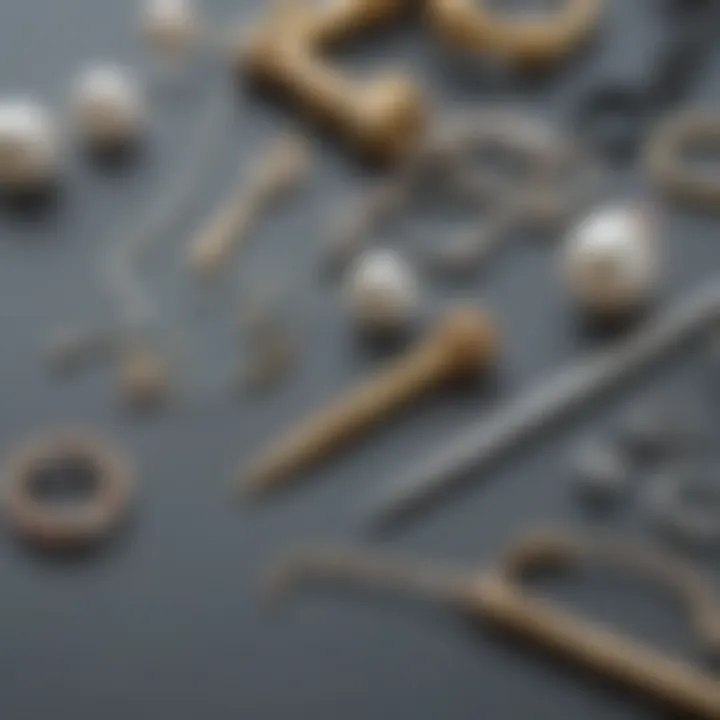
Mixed media designs are all the rage these days, combining pearls with various materials such as leather, metal, or even fabric. This approach holds a particular grip on the creative audience, illustrating personal style in a way that transcends traditional boundaries. The foremost characteristic of mixed media is its adaptability, allowing you to incorporate many influences, which is increasingly valuable in today’s fashion landscape.
The standout feature of this design is as much about texture as it is about color and form. Blending different materials with pearls can create a necklace that tells a story—your story. Potential challenges include ensuring the different materials complement one another, as stark contrasts may detract from the elegance of the pearls.
Layering techniques
Layering techniques bring dynamism to your necklace styling. Rather than opting for a single piece, layering involves combining multiple necklaces of varying lengths and styles. This method fosters creativity, allowing the wearer to produce looks that change as per their daily mood or outfit. The key aspect of layering techniques is versatility; one can mix pearls with other gemstones, chains, or beaded pieces depending on the occasion.
A vital feature of layering is how it encourages personal expression. This technique can highlight particular pieces while creating a more complex overall look. However, one must be cautious; layering too many pieces might lead to a cluttered appearance, detracting from the beautiful simplicity pearls ought to convey.
Personalization Options
Initials or charms
Adding initials or charms to a pearl necklace infuses a personal touch that turns an elegant piece into a cherished item. This choice not only gives the necklace unique characteristics but also makes it a great gift option. The hallmark of adding initials or charms is how it transforms jewelry into a personal narrative, representing memories or significant events.
The charm can vary from simple letters to intricate designs that hold meaning for the wearer. However, while charms can add dimension, it’s crucial to balance the complexity, as too many elements can overshadow the pearls' natural charm.
Color combinations
Understanding color combinations is essential when designing a pearl necklace that truly stands out. Mixing various hues allows for exploration, whether that’s contrasting shades or harmonious blends. The primary advantage of color combinations is the exciting range of looks you can achieve, from vibrant and eye-catching to soft and subtle.
Unique to this approach is the freedom to express moods via color—something that can be refreshing and relatable. Yet, navigating color can pose a challenge; incorrect pairings may clash, diminishing the overall appeal of the necklace. Having a clear color palette that reflects both personal taste and current trends can mitigate this risk.
The Crafting Process
When it comes to creating a pearl necklace, the crafting process is where dreams turn into reality. This stage isn't just about putting pearls on a string; it’s about combining art with precision. Each phase plays a vital role in determining the necklace's overall beauty and durability. If you skip details here, you might end up with a piece that’s less than stellar, which is the last thing you want when you’ve put in all this effort.
Step-by-Step Guide
Preparing Surface and Materials
Starting off, setting up your work area is crucial. A clean, organized surface helps prevent any unwanted distractions, like stray beads or lost tools. By carefully laying out your pearls, tools, and materials, you're preparing the stage for a masterpiece.
One key characteristic of this preparation is ensuring safety. If you’re working with sharp tools, having a tidy space minimizes the risks of accidents. Choose a flat, well-lit area for your project; this choice significantly enhances visibility and makes it easier to see the details, especially in darker pearls.
The unique advantage of having your materials within easy reach is immense. When everything is organized, you can focus on crafting rather than searching for what you need. A poorly organized workspace, however, can lead to frustration and mistakes, potentially ruining a good design.
Stringing Pearls
Next up is the actual stringing of your pearls, which is the heart of the crafting process. Here, you’ll need to choose the appropriate string or thread—typically fishing line or silk. Each option has its own charm and utility. Fishing line might be more durable, while silk exudes elegance.
The specific aspect of this step is the technique you use to thread the pearls. Using a beading needle can make this job easier. The learning curve can be steep, but once you get the hang of it, you can produce a perfectly aligned string of pearls that enhances the necklace’s allure. A common mistake would be to rush; speed can lead to numerous errors, whether that’s a misalignment or even losing a pearl.
However, one major advantage of mastering stringing is that it allows for creative flexibility. You can play with colors and shapes. It’s the part of the process where individual expression meets craftsmanship.
Tying Knots
Finally, we arrive at tying knots, a seemingly simple task that can make or break your necklace. Proper knots are essential for securing the pearls onto the string. It's more than just tying a bow; this technique helps in preventing pearls from slipping off, ensuring they stay in place.
A noteworthy characteristic here is that different knots serve various purposes. The 'surgeon’s knot' or 'double knot' is popular because it adds extra security. Having that knowledge makes it a beneficial choice in ensuring the necklace holds together through wear and tear.
However, if not done correctly, poor knotting can result in a flimsily constructed piece that may come apart at inopportune times. Thus, spending a little extra time to get this right can yield massive dividends in your piece’s longevity and quality.
Common Mistakes to Avoid
Even the most experienced craftsmen can fall prey to mistakes. Here are some pitfalls to watch out for:
Ineffective Knotting
Ineffective knotting is a common issue that can spell disaster for your necklace. Not properly securing your knots might allow pearls to shift or even drop off the string entirely. The key here is to test the knot's security before trimming the excess thread. A knot that seems small and neat could unravel under strain. When tying knots, extra precaution is always a wise choice.
The primary advantage of good knotting is a stronger, more durable finished product. Rushing through this stage might cost you more in the long run; so be patient!
Improper Sizing
Improper sizing can plague many who craft pearl necklaces, whether it’s too short that it chokes the wearer or too long that it looks awkward. Take exact measurements before committing to stringing. This steering is crucial to creating a balanced design that doesn’t look out of place.
What’s more, the sizing should consider the wearer and the intended style. Will it be worn to elegant balls or casual outings? Knowing this informs your sizing, leading to a more appropriate and aesthetically pleasing choice.
"Crafting a pearl necklace requires attention to detail at every turn, from the initial setup to the final tie-off."
With an understanding of these aspects, you can navigate the intricacies of crafting your pearl necklace with greater confidence, ensuring it’s not just a piece of jewelry but a reflection of your artistic vision.
Caring for Your Pearl Necklace
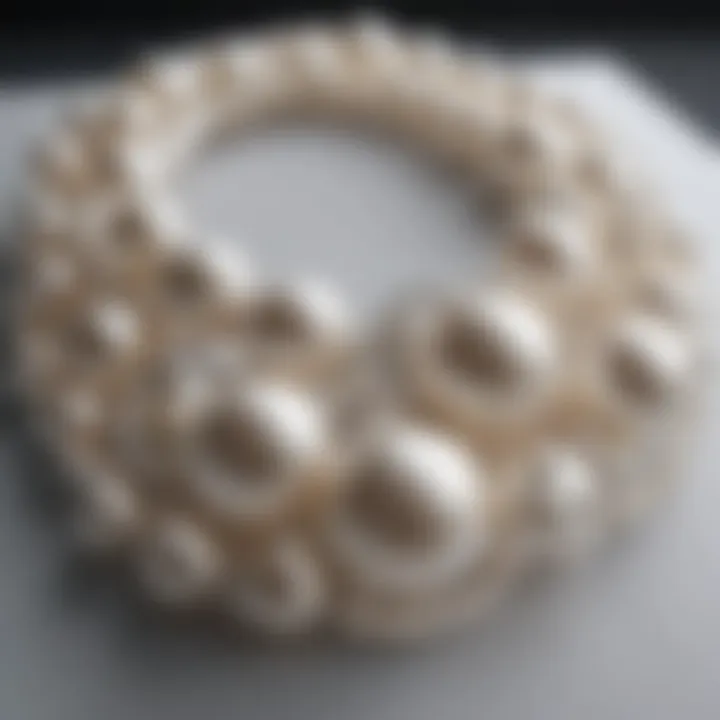
Taking care of your pearl necklace is crucial, not just for its aesthetic appeal but also to maintain its integrity and longevity. Pearls are unique in their composition, made up of layers of calcium carbonate, and thus require a different kind of attention compared to other gemstones. Keeping them in good condition allows you to enjoy their beauty for many years to come.
In this section, we'll discuss effective cleaning techniques and proper storage recommendations to ensure that your pearl necklace continues to shine like it did on the day you first wore it.
Cleaning Techniques
Cleaning pearls isn’t just about wiping them down; it’s about understanding their delicate nature. Here are some effective techniques you can apply:
- Gentle Cleaning: Use a soft, damp cloth to wipe down each pearl after wearing. This step helps remove oils and dirt that accumulate from skin contact and cosmetics.
- Mild Soap Solution: If the necklace is particularly dirty, use a mild soap diluted in water. Soak a cloth in the solution and gently wipe each pearl. Avoid submerging the entire necklace, as this could loosen the knots.
- Avoid Harsh Chemicals: Never use cleaning solutions containing ammonia or bleach. These substances can damage the surface of the pearls, stripping away their natural luster.
"A little care goes a long way in prolonging the life of your jewelry."
Storage Recommendations
Proper storage is vital to prevent your pearl necklace from scratches, tangles, or discoloration. Consider these storage tips:
- Soft Pouches: Keep your pearls in a soft pouch or a dedicated jewelry box lined with fabric. Avoid storing them in plastic bags, which can trap moisture.
- Separate Storage: Store your pearl necklace separately from other jewelry. Doing so will prevent it from getting tangled or scratched by metals or harder stones.
- Cool, Dry Place: Always choose a cool and dry environment for storage, away from direct sunlight. Excessive heat can damage the pearls' luster and overall appearance.
By implementing these cleaning techniques and storage recommendations, you’ll not only maintain the beauty of your pearl necklace but also ensure it remains a cherished part of your jewelry collection.
Styling Your Pearl Necklace
Styling your pearl necklace is a pivotal aspect of maximizing its beauty and versatility. Pearls are often seen as a staple of elegance and refinement, but they hold the potential to enhance many styles, from the traditional to the contemporary. Knowing how to style a pearl necklace not only allows you to showcase its unique qualities but also enables you to express your personal taste. When considering the various settings in which pearls can shine—be it formal affairs or everyday outings—it's important to understand the nuances that make each occasion special.
Occasional Wear
Formal events
When it comes to formal events, styling a pearl necklace can significantly elevate your overall appearance. These settings call for an air of sophistication and class, making pearls a perfect fit. A single strand of pearls, for instance, often evokes a sense of timelessness, while a multi-strand design can provide more dimension and texture.
The key characteristic of formal events is their inherent need for understated elegance. Pearls, with their soft luster, complement evening gowns or tuxedos without overshadowing them. This balance makes them a beneficial choice for anyone looking to make a serene yet bold statement. One unique feature of formal events is that they often carry an aspect of tradition, and wearing pearls not only honors this heritage but enhances it.
However, it's crucial to pay attention to the overall color palette of your attire. For instance, wearing white pearls with a dark gown can create a striking contrast, instantly capturing attention without being too garish. Some disadvantages may include the risk of pearls appearing too formal for occasions that might not require such elegance. But, in most cases, the charm of pearls prevails.
Cocktail settings
In cocktail settings, the style can shift toward the playful and modern. This atmosphere invites more creativity with your pearl necklace. Here, the emphasis is less on conventionality and more on self-expression. Incorporating unique elements like colored pearls or quirky pendants can make a pearl necklace a conversation starter.
The primary allure of cocktail settings lies in their versatility; they allow for a mix-and-match approach. This flexibility makes pearl necklaces a popular choice, especially if adorned with other layers of jewelry. A fun, trendy feature to consider is incorporating pearls that blend with non-pearls, creating an eclectic look.
However, it’s wise to strike a balance. Too many layers or overly bold accessories can overpower the delicate nature of pearls. Still, in the context of cocktails, the pearl's soft glow can beautifully juxtapose bolder designs, adding elegance without being too stiff—ideal for events that thrive on vivacity.
Everyday Wear
Layering with other jewelry
Layering with other jewelry is one of the best ways to bring your pearl necklace into everyday wear while injecting a personal touch to your outfit. Mixing pearls with items like gold chains, pendants, or even beaded pieces can create a distinctive look that feels unique to you. The layering technique can also emphasize the textural differences between your jewelry, making each piece stand out without competing for attention.
A key characteristic of layering is its ability to showcase individuality. In this case, pearls can serve as a statement piece among other items, allowing for a variety of combinations that reflect your personal style. This approach is popular because it offers the chance to transform simple outfits into something striking through thoughtful layering. One downside might be the potential for clumsy edge if not done with care. Attention to balance is crucial; too many pieces may lead to chaos.
Pairing with various outfits
Pairing pearls with various outfits offers an array of possibilities, making them surprisingly adaptable. You'll find that pearls can pair fabulously with casual wear, including denim and tees, achieving a refined look that breaks the monotony of everyday clothes. The unique feature of such combinations lies in the contrast—what was once merely casual is enhanced into a sophisticated ensemble with the right necklace.
This versatility underscores the statement-making quality of a pearl necklace, making it a beneficial addition to anyone's wardrobe. Whether it's a simple white tee or an elegant blouse, pearls can add that touch of glamour. However, one must take care not to overdo it; the casual vibe can easily shift with the wrong pairings. Keeping it simple with one standout piece can lead to an effortlessly chic look that speaks volumes without saying much.
Culmination
Wrapping up our exploration of crafting a pearl necklace, it becomes clear that the journey is more than just assembling materials; it’s about imbuing each piece with personal meaning and style. Crafting a pearl necklace serves not only as an artistic endeavor but also as a means to express individual identity. The considerations outlined throughout this article about selecting the right pearls, utilizing appropriate tools, and understanding design concepts all play significant roles in the final outcome.
Creating something that resonates with one’s personal aesthetic can yield a piece that is both beautiful and unique. As a designer or enthusiast, knowing the historical significance of pearls adds layers of richness to your creation, turning a simple necklace into a cherished heirloom. Moreover, the various styles offered in this guide advocate for flexibility and inventiveness.
"A crafted pearl jewelry piece embodies the soul of the maker, whispering stories of passion and creativity through every gleaming orb."
Not only does this conclusion reiterate the importance of personalization, but it also emphasizes ongoing care and styling of the piece. Each time you wear the necklace, it should not only enhance your ensemble but also represent a part of you, swaddled in years of tradition and modern flair.
Whether for formal occasions or everyday wear, understand that the significance of your crafted necklace extends beyond mere adornment. It is an expression of your evolving personal style and a testament to your creative abilities.
The Personal Touch
In the world of jewelry making, it’s the personal touch that sets one piece apart from another. Each pearl can signify a moment, a story, or a loved one, making the crafting process deeply intimate. Injecting this significance into the piece can begin right from the selection of pearls. You might choose a larger size for a special occasion, or perhaps a vibrant color that evokes a cherished memory.
Adding initials or small charms can further personalize the necklace, allowing the piece to resonate on a personal level. The connection you feel with the item is what makes it special. For example, a necklace featuring the birthstones of your family members provides not just beauty but emotional weight. As you design your piece, think about elements that speak to you; after all, it’s your unique style that will shine through.
Embracing Individual Style Through Crafting
Embracing individual style is fundamental to the jewelry crafting process. This journey into creation allows you to explore aesthetics that reflect your personality, moods, and values. Consider how you would like your pearl necklace to fit into your wardrobe. Do you prefer classic elegance, or are you leaning toward a more avant-garde style? This choice influences every step, from design to color to the final execution.
Experimenting with different styles can open your eyes to the unexpected. A single strand can be the hallmark of classic sophistication, while a layered approach speaks volumes of contemporary trendsetting. By mixing materials, you can transform the overall vibe entirely. Consider incorporating leather or metal components to introduce a striking contrast that retains the pearls' elegance.
Ultimately, embracing your individual style is about freedom—freedom to meld past traditions with modern innovation, choice, and creativity. The more you explore, the clearer your design voice will become. Your crafted pearl necklace can become a beacon of you, a garment that goes beyond fashion, telling stories of who you are.