
The Color Block Wool Coat: Trends and Insights


Intro
In the world of fashion, the color block wool coat represents a sumptuous intersection of style, art, and practicality. This garment has morphed over time, transcending trends and becoming a wardrobe staple that is much more than mere outerwear. It speaks volumes about the personality and choices of the wearer, allowing individual expression in vibrant hues and daring patterns. As we journey through the historical roots, modern interpretations, and future prospects of color block designs, we unravel the complexities that make these coats a hot topic among designers, retailers, and style enthusiasts alike.
Fashion Trends and Insights
Fashion continually evolves, and the color block wool coat showcases this transformation beautifully. By examining contemporary trends and the influence of fashion icons, we gain insights into how this garment has not only adapted but also thrived in today's intricate fashion landscape.
Current Trends in Clothing Styles
Today’s fashion is all about bold statements and unique combinations. The color block trend encapsulates this spirit. When we talk about the color block wool coat, it manifests mainly through contrasting colors that complement each other while still standing out.
- Mixing Textures: Pairing wool with other fabrics, such as leather or silk, enhances the visual intrigue.
- Layering: A longer color block coat over a monochromatic outfit draws the eye and sculpt the silhouette.
- Accessories: Using accessories like vibrant scarves or hats can heighten the effect of the coat without overwhelming the ensemble.
Fashion weeks around the globe have seen designers like Balenciaga and Marni embrace color blocking not just in coats but across their collections. Whether through oversized silhouettes or structured fits, the movement remains influential.
Influential Fashion Icons and Movements
Icons such as Ruth Negga and Solange Knowles have donned color block coats, effortlessly showcasing how these garments can convey personal style while making a statement. The Streetwear movement, which often embraces bold colors and patterns, has made these coats accessible and trendy for a younger demographic.
"Style is a way to say who you are without having to speak.” – Rachel Zoe
As street style converges with high fashion, we see color block coats appear in everyday wardrobes, becoming accessible to a wider audience.
Sustainable Fashion Practices
As the fashion industry grapples with its environmental footprint, the emergence of sustainable fashion has become increasingly vital. This segment examines how color block wool coats can adhere to eco-friendly practices, urging consumers and designers to make mindful choices.
Eco-Friendly Fabrics and Materials
Choosing sustainable fabrics is a critical component in the production of color block wool coats. Here are several materials gaining traction:
- Recycled Wool: Comes from post-consumer garments and reduces waste.
- Organic Cotton: Grown without harmful pesticides, ensuring a lesser impact on the environment.
- Tencel: Derived from sustainably sourced wood, this material is soft and biodegradable.
More brands are beginning to incorporate these materials as a standard in their collections. The Global Organic Textile Standard (GOTS) outlines rigorous environmental and social criteria to ensure sustainable practices within the textile industry.
Tips for Building a Sustainable Wardrobe
Creating a sustainable wardrobe starts with informed purchases. Here are some pointers on how to integrate color block wool coats while maintaining sustainability:
- Invest in Quality: Higher quality garments last longer, reducing the need for frequent replacements.
- Embrace Versatility: Select coats that can transition easily between seasons and styles.
- Care Properly: Proper washing and storage can extend the life of your coats.
More detailed insights on sustainable fashion can be found at Fashion Revolution and The Good Trade.
By understanding both the timeless and modern aspects of the color block wool coat, one realizes that it stands not only as a protective layer against the elements but also as a canvas for individual expression and sustainable fashion practice.
The Origins of Color Blocking
Color blocking has carved a niche for itself in the fashion landscape, particularly in the realm of wool coats. Understanding its origins allows us to appreciate how this technique transforms garments into visual narratives that resonate with both art and personal identity. This section will encompass the artistic influences that shaped this method and the historical context that brought it into the limelight.
Artistic Influences
The roots of color blocking can be traced through several art movements, which have strongly impacted modern design sensibilities. One can't overlook the bold primitivism of artists like Henri Matisse, who often juxtaposed vibrant colors in ways that surprised and delighted viewers. Matisse’s work was not just about color; it was about emotion and using hues to evoke feelings. This emotional connection translates seamlessly into fashion, where designers harness this technique to craft garments that not only showcase style but provoke thought and engagement.
Another influential figure is Piet Mondrian, with his abstract compositions marked by primary colors and stark lines. His distinctive artistic approach laid groundwork for a modern portrayal of color usage. Designers take cues from this by segmenting fabrics in a similar fashion, creating coats that play with color theory and geometric patterns. This isn’t merely about looking good; it's a rich tapestry between art and cloth, inviting the wearer to express individuality.
The influence of color on our psyche shouldn't be underestimated. Each hue brings forth different reactions—red can ignite passion while blue can invoke serenity. Fashion designers understand these implications well, and color blocking becomes a powerful tool to shape the mood of the piece and, by extension, the wearer. Multifaceted emotions are expressed through the wool coat's coloration, making it not just an item of clothing but a canvas of personal history and artistic interpretation.
Fashion History Contextualization
The journey of color blocking within fashion is as dynamic as the technique itself. It has roots in the utilitarian styles of the mid-20th century when designers sought to break traditional manufacturing norms. Tailoring began to evolve during this era, where the separation of colors and shapes wasn’t merely aesthetic; it also challenged preconceived notions of how clothing should be constructed and worn.
The 1980s brought a renaissance of vibrant fashion. Designers like Yves Saint Laurent blurred the lines between practicality and high fashion, and color blocking was at the forefront. This period pushed boundaries, signifying a breaking away from monotone palettes that dominated previous decades. Think big shoulder pads and contrasting colors that made statements on the streets, and it paved the way for what we see today in contemporary collections.
In the modern context, the color block wool coat stands as a tribute to this tumultuous yet exciting journey. It reflects not just a garment’s evolution but also societal changes. As we moved towards more casual yet bold expressions in fashion, color blocking allowed for flexibility and creativity. This movement towards vibrant, layered aesthetics opened doors for more inclusivity in fashion choices, rebelling against static trends. It's a framework for personal expression, where every coat tells a story of artistic and cultural intertwining.
“Fashion is the armor to survive the reality of everyday life.” This quote from Bill Cunningham encapsulates the essence of how color blocking serves as more than just a trend—it’s a fortification against conformity.
The exploration of the origins of color blocking is a revelation of how art, culture, and history converge in fashion. Designers, retailers, and influencers keen on this narrative can draw insights from these beginnings while shaping the ongoing story of the color block wool coat.
Understanding Wool as a Fabric Choice
Wool has established itself as a quintessential choice in outerwear, particularly for pieces like color block wool coats. The fabric carries with it a unique blend of tradition, functionality, and style. When we dive into the understanding of wool as a fabric choice, we uncover several pivotal aspects worth discussing.
Properties of Wool
Thermal Insulation
Thermal insulation is one of wool's standout features. Wool fibers trap air, creating a barrier that retains warmth without making the wearer feel stifled. This makes wool an optimal choice, especially in colder climates. With color block wool coats, this characteristic becomes even more pronounced. Simply put, who wouldn’t want a coat that keeps them warm while still turning heads?
While many materials excel at insulation, wool does it without compromising breathability. That unique structure allows moisture vapor to escape, ensuring that the wearer feels comfortable throughout various temperatures. However, this may also mean that wool garments can feel heavy compared to lighter fabrics; thus, it's essential for consumers to weigh the benefits against their specific needs.
Moisture Management
Wool's ability to manage moisture is nothing short of impressive. Unlike synthetic fibers that can trap sweat against the skin, wool can absorb moisture up to 30% of its weight while still feeling dry. This property plays a crucial role when you consider how often one might wear their color block wool coat throughout the day. It helps prevent odors, making it a smart choice for those on the go.
This absorption doesn’t lead to a soggy coat. Instead, the moisture evaporates, keeping both the coat and wearer feeling fresh. A downside might be that during heavy rains, wool can lose its water resistance unless treated, which some might consider a drawback.
Eco-friendliness
Wool is often lauded for its eco-friendliness. Being a natural fiber, it is biodegradable and sustainable, especially when sourced ethically. As awareness grows regarding environmental concerns, choosing wool signifies a more responsible approach to fashion.
Additionally, wool farming, particularly when done sustainably, often has a lower carbon footprint compared to synthetic alternatives. This can appeal not only to environmentally-conscious consumers but also to designers who wish to create pieces that are both chic and responsible. However, one must note that over-farming and certain wool production practices can still lead to environmental harm, so sourcing decisions remain paramount in this context.
Different Types of Wool
Merino Wool
When pondering the advantages of Merino wool, one quickly recognizes its softness. Unlike traditional wool that could feel scratchy, Merino wool is fine and comfortable against the skin. It allows for flexibility in design and style while maintaining excellent thermal properties. Designers love it because it drapes beautifully, making it perfect for color block designs.
However, Merino’s fine fibers mean that care must be taken to avoid snagging and pilling, especially in outerwear. Despite this limitation, its luxury appeal continues to make it a favored fabric in the world of fashion.
Shetland Wool
Shetland wool, with its rich history, originates from the Shetland Islands. It’s sturdier than Merino, lending itself well to durable designs, making it a practical choice for outerwear. This wool type has a unique texture that can be woven into fascinating patterns, often lending an artisanal feel to color block coats.
However, its roughness may not appeal to everyone, particularly those with sensitive skin. For designers, this can be a balancing act, ensuring comfort while still achieving that eye-catching aesthetic.
Lambswool
Lambswool, harvested from the first shearing of lambs, embodies a level of softness that is hard to beat. It not only feels luxurious but also provides warmth without unnecessary bulk. Perfect for those looking for a sleek silhouette, lambswool is a prime candidate for color block wool coats that require both style and substance.
On the flip side, lambswool can be less durable than other types when put under stress, leading to quicker wear over time. Designers must ensure that pieces are constructed well to maximize longevity while maintaining that irresistible softness for the consumer.
Color Theory and Its Application
Understanding color theory is crucial when it comes to fashion, particularly in designing eye-catching clothing like color block wool coats. Color theory gives us tools to understand how colors interact, evoke emotions, and influence perceptions. This knowledge is instrumental in creating stylish combinations that resonate well with the wearer's intention. When designers select colors for any piece, especially a wool coat meant to draw attention, they must consider not only the aesthetic qualities but also the psychological effects colors can have.
The Psychology of Color
Color has a profound impact on human psychology. Each hue carries with it a certain emotional resonance, triggering feelings or associations in observers. For example, red might evoke passion or urgency, while blue often conveys calmness and stability. Designers take advantage of these perceptions in order to communicate specific messages through their clothing. Consider a bright yellow coat: it tends to be playful and energizing, drawing a lively reaction from onlookers. Conversely, a muted green might suggest tranquility and connection to nature.
- Red: passion, power
- Blue: tranquility, trust
- Yellow: optimism, cheerfulness
- Green: balance, nature
- Black: elegance, sophistication
When layering colors in a block design, the chosen colors should not only complement each other but also align with the emotional responses that the wearer aims to elicit. For instance, if someone seeks to project confidence and authority at a business meeting, a combination of deep navy and bold red may be chosen to achieve that goal.
Choosing Complementary Colors
Choosing complementary colors is a strategic process that enhances the visual interest of a garment. Complementary colors are those that sit opposite each other on the color wheel. Utilizing these combinations can create striking contrasts that visually pop.
Here's how to effectively select complementary colors for a color block wool coat:
- Identify Base Color: Decide on a primary color that will define the main segment of the coat. This could be, for example, a rich charcoal or a vibrant cerulean.
- Determine Opposing Color: Use the color wheel to find the complementary hues. A deep orange would complement a teal beautifully, while a bright magenta would stand out against a mustard background.
- Incorporate Neutrals: To avoid overwhelming viewers, incorporate neutral colors like black, white, or beige to balance the brightness of your chosen pairs. These shades can serve as anchors that guide the eye.
- Test Combinations: Before settling on a final design, experimenting with swatches helps in visualizing how colors interact in various lighting scenarios. Sometimes the most enticing combinations only reveal themselves through hands-on trials.
"Fashion is like a war; you have to choose your colors wisely to win the hearts."
By thoughtfully applying color theory, designers can create wool coats that not only look good but also express a deeper meaning and connection with their audience. This practice can ultimately lead to a more personal and impactful fashion statement.
Styling a Color Block Wool Coat

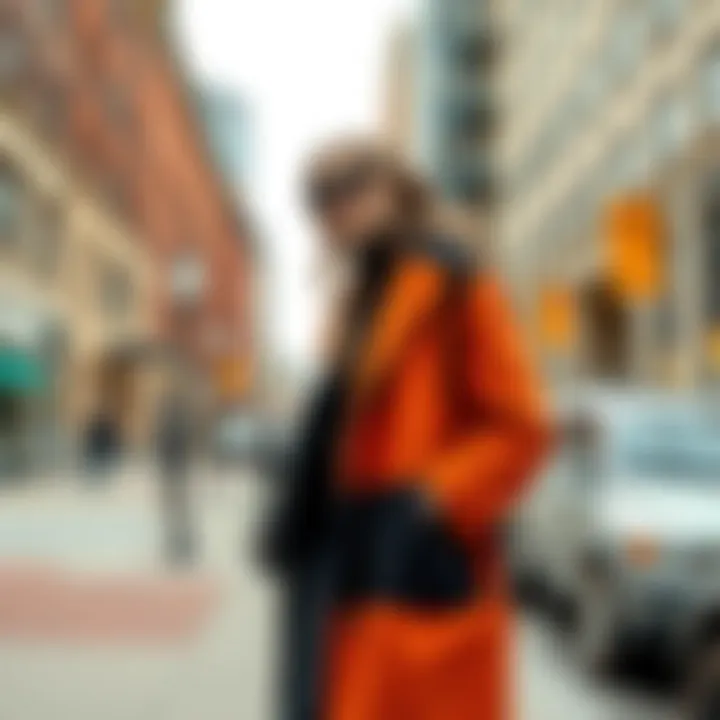
When it comes to making a statement in fashion, few pieces can rival the color block wool coat. Its ability to blend functionality with bold aesthetics gives it a unique place in a wardrobe. Understanding how to style this garment is crucial as it can dramatically elevate an outfit, allowing for versatility whether one is heading to a casual gathering or a formal event.
The beauty of the color block wool coat lies in its distinctive hues and shapes, which can be paired with various looks. It's not just about warmth; it’s also about projecting a personality through clothing. Successfully styling a color block coat involves considering the setting as well as the choices of accessories, making it an intriguing focal point.
Casual Vs. Formal Looks
Dressing down or dressing up the color block wool coat can transform your entire look.
- In a casual setting, pairing the coat with distressed jeans and ankle boots can make a laid-back yet trendy outfit. Choose a base layer, like a simple turtleneck or graphic tee, that complements one of the colors in the coat. This brings harmony to the ensemble, ensuring the coat stands out without overwhelming the outfit.
- For a formal look, consider teaming the coat with tailored trousers and classic pumps. In this scenario, opting for a monochromatic base layer can emphasize the coat’s colors. A fitted dress can also work wonders when paired with a strikingly patterned coat, providing a sharp contrast that captivates.
Accessorizing the Coat
Accessorizing adds layers of depth to an outfit, and with a color block wool coat, the right accessories can make all the difference. The aim here is to enhance the coat, not detract from it, striking a balance that speaks volumes about personal style.
The Role of Scarves
Scarves have long served as a chic accessory, and when it comes to a color block wool coat, they can play a significant role in adding nuance to the outfit. A scarf can soften the harsh lines of the coat's blocks, lending a cohesive look if chosen in a complementary color. The versatility of scarves allows them to be styled in various ways—draped casually around the neck or fashionably wrapped. A key characteristic of scarves is their ability to provide warmth without bulk, which is especially advantageous during colder months when layering matters. However, care should be taken to match the scale of the scarf's patterns to those of the coat to avoid visual chaos.
Bags and Footwear Coordination
Selecting the right bag and footwear is vital in pulling together an outfit featuring a color block wool coat. The coordination of these elements can either reinforce the look or create a mismatch.
A well-chosen bag can add a sophisticated touch. Opt for a structured handbag in a solid color that ties in without competing with the coat's bold design. Regarding footwear, ankle boots or sleek loafers can maintain a polished appearance while allowing the coat to be the star. Each choice plays into the overall message of the outfit: confident, stylish, and well thought out. However, the challenge lies in ensuring that both the bag and shoes do not overpower the coat’s vibrant colors.
Cultural Reflections in Fashion
Exploring cultural reflections in fashion not only highlights how garments serve practical purposes but also how they resonate deeply within societal frameworks. The color block wool coat, in particular, stands as a vivid symbol of artistic expression, a reflection of individuality, and a canvas for cultural narratives. In our increasingly interconnected world, fashion influences are often a blend of various cultures, styles, and trends, creating a tapestry that is constantly evolving.
- Diversity in Design
Fashion designers are increasingly influenced by global aesthetics. Designers from different backgrounds utilize traditional motifs and colors that speak to their heritage. Wool coats, especially with vibrant color block designs, allow for this diversity to surface prominently. They become statements that carry stories from different regions, bridging cultural gaps through fashion. This cultural synergy enriches the fashion landscape, making each piece unique and telling a story that transcends borders. - Reflecting Societal Changes
Fashion is a mirror to societal shifts. The rise of color blocking in wool coats coincides with an increasing desire for individuality and self-expression in clothing. People are moving away from monochrome wardrobes, seeking bold options that reflect their personalities. This trend underscores the importance of personal and cultural identity within the fashion framework. Having a bold coat can feel like wearing a piece of your background, a way to connect with one’s roots or to celebrate diversity through vibrant designs.
Global Variations of Color Blocking
Color blocking varies significantly across different cultures, leading to diverse interpretations in the use of these vibrant palettes. In Africa, for instance, bold and bright colors are often used not just for aesthetic appeal but also for symbolism in traditional garments. Each color can carry meaning, representing various emotions, celebrations, or statuses within communities. In Europe, the approach to color blocking tends to be more aligned with the modernist movements, where structural forms and brighter shades convey a sense of abstraction and minimalistic elegance.
- Bespoke Interpretation: In Japan, combining color blocking with kintsugi—a practice of repairing pottery with lacquer mixed with gold—could even mean embracing flaws in garments as part of their beauty, a design philosophy applied to wool coats that tell a tale of wear and durability.
- Tailored Adaptations: The influence of American street fashion brings in an eclectic mix: oversized silhouettes with block colors that defy traditional tailoring norms, fostering a sense of rebellion while celebrating individuality.
Influence of Streetwear
Streetwear has catalyzed significant changes in mainstream fashion, conveying cultural identity, social movements, and artistic expression. The color block wool coat makes a notable entry into this realm. Streetwear's primary characteristic is its blend of comfort and style, which resonates with the youth who strive for functionality without sacrificing appearance.
What's more, streetwear accents often draw inspiration from subcultures, from hip hop to skate culture, emphasizing uniqueness and character.
- Practicality Meets Art
Color block designs in wool coats offer a practical yet stylish option for urban environments. Just as streetwear champions comfortable, relaxed fits, the color block wool coat becomes a practical choice that can be layered and styled in numerous ways, allowing for expression while remaining functional. - Cultural Commentary
The infusion of streetwear elements in high fashion continually changes how these garments are perceived. A seemingly simple wool coat adorned with blocks of contrasting colors might also send a message about the inclusivity of cultures and populations, especially when designers hail from diverse backgrounds. It becomes not just a coat, but a statement—an emblem of a new cultural narrative in fashion that promotes artistic freedom.
By acknowledging the various cultural reflections and the influential role of streetwear in shaping modern design, one can appreciate the depth behind the ever-evolving color block wool coat. This exploration emphasizes the importance of understanding fashion not merely as a surface-level topic but as a significant commentary on culture, identity, and societal evolution.
Market Trends and Consumer Preferences
The discussion of market trends and consumer preferences is indispensable when exploring the contemporary landscape of color block wool coats. As fashion is a reflection of society’s values, understanding these trends enables designers, retailers, and consumers to make informed decisions. The intersection of aesthetic appeal and functionality is where the charm of color block designs truly shines, capturing the attention of those who seek to express their style while remaining practical.
Sales Data Analysis
Analyzing sales data reveals essential insights into the popularity and performance of color block wool coats. Recent trends indicate a marked increase in consumer interest in vibrant and unique outerwear styles. For instance, from 2020 to 2023, reports have shown that sales of color block wool coats have surged by approximately 25%. This growth highlights a larger move within the fashion industry towards statement pieces that not only keep you warm but also allow for self-expression.
Bar charts illustrate these changes effectively, showcasing the rising market share of bold designs in comparison to more subdued choices. In particular, younger demographics are driving this trend, often gravitating toward brands that blend sustainability with style. Online platforms, with their targeted advertising and social media engagement, have become pivotal in reaching these consumers.
Furthermore, insights from retailers indicate a growing demand for wool coats that mix comfort with eye-catching aesthetics. Seasonal collections now often emphasize color combinations that speak to personal identity, cultural influences, and even environmental awareness. Brands that cleverly analyze their sales data can refine their offerings, adapting quickly to meet changing tastes.
Target Demographics
Identifying target demographics is critical for brands aiming to capitalize on the rising demand for color block wool coats. The appeal of such jackets cuts across various segments, but specific groups stand out.
- Young Professionals: This group often seeks versatile garments that can transition easily from office wear to evening outings. Color block designs resonate with their desire for stylish functionality.
- Fashion-Forward Individuals: Known for their willingness to experiment with unique styles, these consumers are often influenced by social media and fashion trends. They appreciate designs that make a statement and are energy-efficient.
- Eco-Conscious Shoppers: As sustainability takes center stage, consumers who prioritize ethically sourced materials are increasingly finding their way to brands that offer eco-friendly wool options. The colors and designs become an avenue to advocate for environmental issues.
- Trendsetters and Influencers: These groups are pivotal in shaping fashion trends. They often opt for vibrant designs that catch attention and provoke conversation, setting the stage for broader acceptance among the general public.
The collective behavior of these target demographics indicates a robust market for color block wool coats, revealing not just a trend, but a profound shift in how outerwear is perceived. Engaging these consumers through personalized marketing campaigns can amplify brand loyalty and cultivate an enduring customer relationship.
The immersion of color blocking into mainstream fashion encapsulates a society increasingly desiring personalization. By tapping into these market trends, brands can create not only items of clothing but also canvases of individuality that invite wearers to express themselves boldly.
Sustainable Practices in Wool Production

The conversation around fashion has remarkably shifted in recent years, and wool production is no exception. As we embrace ideas of sustainability, the wool industry is stepping up to the plate with responsible practices that not only enhance the quality of life for sheep but also contribute to the planet's health. In this section, we will explore the critical components of sustainable practices within wool production, particularly focusing on ethical sourcing and environmental impact.
Ethical Sourcing
Ethical sourcing in wool production is not merely a trend; it's a necessity. Ensuring that wool is gathered in a humane manner is paramount. This involves sourcing wool from farms that practice responsible sheep husbandry, maintaining high welfare standards for the animals. The industry has recognized that consumers are increasingly educated and concerned about where their products come from.
- Animal Welfare Transparency: Ethical sourcing provides transparency regarding the treatment of sheep. Consumers today want reassurance that animals are not only treated well but are also cared for with respect. Wool produced under ethical circumstances often means less stress for the sheep and a superior product.
- Local Sourcing: Supporting local farms minimizes the carbon footprint associated with transportation. By choosing wool that has been sourced nearby, brands can bolster local economies and cut down on pollution generated during long-distance shipping.
- Certification Programs: Various organizations, like the Responsible Wool Standard, aim to ensure that wool is produced responsibly and ethically. These certifications provide a framework for brands and consumers to make informed decisions.
Environmental Impact
The ecological footprint of wool production often raises eyebrows, yet when sustainable practices are in place, the effects can become profoundly positive. The impact of wool production on the planet hinges on several key factors.
- Soil Health: Proper grazing practices can enhance soil quality. Sheep contribute to healthier pasture ecosystems, which in turn helps with carbon sequestration. Healthy soil can store significant amounts of carbon, making wool production an ally in the fight against climate change.
- Biodiversity Support: Responsible sheep farming practices can benefit local wildlife by promoting biodiversity. Farms that allow for mixed species grazing help maintain balanced ecosystems.
- Waste Management: The wool production process can generate waste; however, sustainable practices look to recycle and minimize these byproducts. For example, wool waste can be repurposed to create insulating materials or compost, thus reducing landfill contributions.
"Sustainability in wool production isn't just a trend; it's a crucial shift towards a more ethical and environmentally friendly future."
As our understanding of sustainability evolves, so too does the landscape of fashion. The future of the color block wool coat, adorned with vibrant patterns and sustainable lineage, stands as a testament to the integration of eco-conscious practices and timeless style.
Future of Color Block Wool Coats
As we peer into the horizon of fashion, color block wool coats appear to be at a pivotal crossroads. Their evolution speaks not only to changing aesthetic preferences but also to a deepening awareness of sustainability and personal expression. This topic is crucial as it aligns the practical aspects of coat design with cultural narratives, creating a tapestry that emphasizes individuality while catering to the collective consciousness of style enthusiasts.
Innovative Designs
When discussing innovative designs in color block wool coats, one cannot overlook the role of technology and artistry. Designers are now blending traditional craftsmanship with cutting-edge methods to push the boundaries of what a wool coat can be. This includes experimenting with:
- Asymmetrical Cuts: These designs create a striking silhouette that breaks away from conventional patterns.
- Layered Textures: Combining various types of wool and other materials can offer not only visual depth but also tactical interest under varying light conditions.
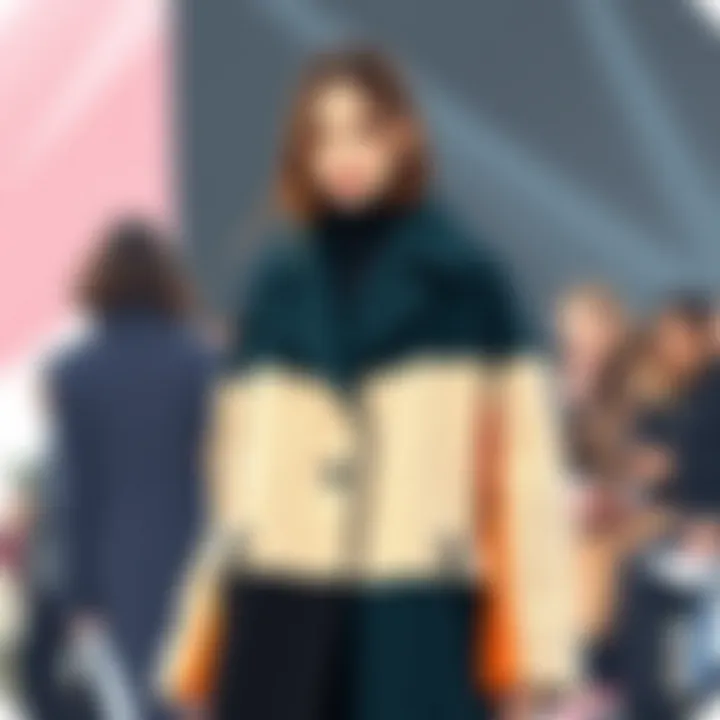
- Bold Color Combinations: Striking colors, previously considered too daunting, are now at the forefront. Hues like deep teal paired with mustard or vibrant orange alongside subtle pastels invite playful yet sophisticated engagement.
Emerging designers are reminiscent of spirited artists, bringing their backgrounds and cultural nuances into their works. This approach to design fosters a richer storytelling aspect in each coat, allowing wearers to express themselves through distinct color palettes and shapes.
Predicted Trends
Moving forward, several trends regarding color block wool coats seem likely to gain traction:
- Sustainable Materials: With the climate crisis looming large, expect a shift toward using recycled materials alongside traditional wool. Brands that adopt eco-friendly practices can appeal to the eco-conscious consumer, promoting a narrative that prioritizes planet over profit.
- Customizability: A growing number of brands may start offering customizable options, where consumers choose the colors, patterns, and styles—allowing for a personalized touch that reflects individual identity.
- Functionality Meets Fashion: As urban living continues to evolve, the demand for coats that blend practicality with style grows. Features like waterproofing, packable designs, and clever storage solutions will become standard, keeping form and function in necessary harmony.
- Cultural Collaborations: To remain relevant, fashion houses could draw inspiration from global art movements, infusing traditional patterns and motifs from various cultures into modern designs.
"Fashion is not just about clothes but is a language of self-expression that evolves with us."
In essence, the future of color block wool coats is set to be an exciting mix of innovation, sustainability, and cultural richness. With shifting consumer preferences and environmental considerations, these coats will continue to evolve, creating space for both creativity and conscience in the fashion industry.
Maintenance and Care for Wool Coats
The longevity and aesthetic appeal of a color block wool coat hinge significantly on the proper care and maintenance it receives. Wool, being a natural fiber, requires specific treatment to preserve its properties, like moisture management and thermal insulation. This section offers a guide to ensure that your investment remains vibrant and functional for years to come.
Washing and Drying Techniques
When it comes to washing a wool coat, many people might feel a bit apprehensive. After all, wool can shrink or lose its shape if not handled correctly. Here are some key techniques to keep in mind:
- Hand Washing: This is often the safest method. Use lukewarm water and a mild detergent specifically designed for wool. Gently agitate the water without twisting or rubbing the fabric, which can lead to felting.
- Machine Washing: If you opt for washing in a machine, ensure your washing machine has a wool cycle. This usually involves a gentle cycle with cool water, minimizing agitation. It’s best to place the coat in a mesh laundry bag to reduce friction.
- Drying: Never wring out wool. Instead, press out water gently by pressing the coat between two clean towels. To dry, lay the coat flat on a dry towel or a drying rack away from direct sunlight and heat sources. This prevents any potential warping or distortion of shape.
"The care of wool is paramount; a little attention can go a long way."
Storage Recommendations
Storing your wool coat properly can mean the difference between a fashion staple and a wrinkled pile in your closet. Consider the following suggestions:
- Cool and Dry Environment: Store your coat in a cool, dry place, ensuring that the area is well-ventilated. Avoid areas like basements that may be damp or overly humid.
- Use a Garment Bag: Protect the coat from dust and pests by placing it in a breathable garment bag. Plastic should be avoided as it traps moisture, which can lead to mildew.
- Avoid Hangers: When storing, opt for a padded hanger to maintain the coat’s shape, especially for heavier designs. If you must fold it, be careful to avoid creases that could become permanent.
- Regular Check-Ups: Periodically inspect your coat for signs of wear, moth damage, or dirt accumulation. Catching these issues early on can save you a headache later.
In summary, maintaining and caring for your wool coat not only extends its lifespan but also ensures that it remains a vibrant and stylish addition to your wardrobe. By employing proper washing techniques and mindful storage practices, you can enjoy your color block wool coat season after season.
Ending
The journey through the world of color block wool coats reveals much beyond mere fabric and design. These garments are not just a mathematical manipulation of hues; they are a significant reflection of the evolution of fashion itself, intricately tied to the cultural, social, and psychological aspects of our lives.
The Evolution of Fashion
Fashion is rarely static. It ebbs and flows, weaving itself like a tapestry through the historical context and creative spirits of different eras. The color block wool coat epitomizes this phenomenon, embodying a blend of artistry and wearability that resonates with current trends while harking back to the roots of color use in fashion.
From the bold color palettes of 1960s pop art to the clean lines and minimalist aesthetics of today, color block designs have encapsulated freedom of expression. The play between contrasting shades allows wearers not only to stand out but also to define their personal style. In today’s global landscape, where fashion is influenced by a myriad of cultures and socio-political dynamics, the adaptability of color blocking showcases its relevance. The rise of social media has also brought forth an acceleration in these trends, with individuals sharing their unique styles and interpretations of color blocking worldwide.
Embracing Individuality Through Fashion
Wearing a color block wool coat presents an opportunity to express individuality in an age dominated by conformity. In a world filled with fast fashion and fleeting trends, the choice to don a statement coat can speak volumes about one's personality. It invites onlookers to perceive beyond the surface—inviting dialogue about choices, preferences, and even the stories behind them.
The versatility of the color block approach allows for personalization; a seemingly simple coat becomes a canvas where creativity flourishes. A palette that’s vibrant can turn heads, while muted tones offer sophistication. The styling possibilities—paired with different outfits, accessories, and footwear—make these coats a rather thrilling choice for those seeking to convey their distinct fashion sense. People are starting to understand that fashion speaks, and their wardrobe choices can be a testament to their stories and beliefs.
In summary, the color block wool coat is much more than an outerwear piece. It is a symbol of fashion's ongoing dialogue—a medium for self-expression and a testament to the evolution of style. Whether you are a designer, retailer, or stylist, acknowledging the deeper significance behind such garments can enrich your understanding and approach to fashion. Embracing this can ultimately result in a more thoughtful, conscientious method of styling that celebrates individuality.