Discovering the Benefits of Moroccan Hair Essential Oil


Intro
When it comes to enhancing the vitality and beauty of hair, Moroccan hair essential oil holds a notable position. Drawing its roots from ancient traditions, this oil is rich in nutrients and boasts properties that address a wide array of hair concerns. Its fame isn’t just due to its exquisite fragrance; rather, it's the result of a combination of its natural components that nourish and rejuvenate.
Moroccan hair essential oil primarily derives from the argan tree, which is indigenous to Morocco. The extraction process involves pressing the nut to release a golden oil that is packed with vitamin E, fatty acids, and antioxidants. These constituents not only make it effective for hair repair and maintenance but also contribute to scalp health, helping to create an optimal environment for hair growth.
Chemical Composition
The uniqueness of this oil can be attributed to its chemical makeup:
- Oleic Acid: This monounsaturated fatty acid promotes moisture retention, making hair soft and sleek.
- Linoleic Acid: Another essential fatty acid that helps in strengthening hair strands and prevents breakage.
- Vitamin E: Acts as a natural antioxidant, shielding hair from environmental damage.
- Phytosterols: These compounds are known for reducing moisture loss and supporting scalp health.
With this concoction, Moroccan hair essential oil isn't just a beauty product; it’s a remedy steeped in history, backed by science, and graced with exceptional versatility.
In modern beauty routines, this oil finds its way into various forms—from serums to shampoos—each promising to elevate the hair health journey. Understanding the diverse benefits it offers can empower consumers to make informed choices, catering to their unique hair needs. As we explore its benefits in detail, we will also touch on sourcing ethics and consumer concerns, ensuring readers are well-informed.
Prolusion to Moroccan Hair Essential Oil
Moroccan hair essential oil, extracted primarily from the Argan tree in Morocco, has garnered attention for its impressive properties and diverse applications in the realm of hair care. The significance of this topic is underscored by the growing interest in natural alternatives for hair treatments, as consumers increasingly seek products that are both effective and ethically sourced. Incorporating Moroccan hair essential oil into hair care routines can vastly improve hair quality, texture, and overall health.
In today's fast-paced beauty industry, many products laden with chemicals can often do more harm than good. Thus, understanding Moroccan hair essential oil and its virtues becomes paramount for consumers, retailers, and stylists alike. It not only serves as a potent moisturizer but also acts as a beacon of nourishment, promising repair for damaged hair, increased shine, and enhanced scalp health. This article aims to dive deep into these multifaceted benefits, equipping readers with knowledge and practical advice.
Defining Moroccan Hair Essential Oil
Moroccan hair essential oil, often referred to simply as argan oil, is a lightweight oil derived from the nuts of the Argania spinosa tree. The extraction process is meticulous; the nuts are harvested, roasted, and then pressed to yield the oil. This oil is rich in fatty acids, primarily oleic and linoleic, along with vitamin E and various antioxidants. The specific composition grants it exceptional moisturizing and protective properties, making it a perfect candidate for hair care solutions.
A distinguishing feature of Moroccan hair essential oil is its ability to penetrate the hair shaft, delivering hydration and locking in moisture without leaving a greasy residue. This trait sets it apart from many other oils that often sit on top of the hair, providing temporary relief but not lasting benefits.
Historical Background
The usage of argan oil can be traced back centuries, deeply rooted in the culture of Morocco. Traditionally, the Berber women from this region have utilized the oil for centuries, not only for culinary purposes but also for cosmetic applications. The historical significance cannot be overstated; it represents a blend of cultural practices and natural remedy knowledge passed down through generations.
In the past, argan oil was often used in rituals and ceremonies, and it played a crucial role in the daily health and beauty routines of Berber women. These women recognized the oil's benefits long before its discovery on the global stage. Today, as awareness grows, the oil has transcended borders. No longer confined to local practices, it has become a sought-after commodity worldwide, celebrated for its multitude of benefits in hair care.
The transition from a traditional local product to an internationally recognized essential oil highlights both the effectiveness of Moroccan hair essential oil and the importance of respecting and preserving the cultural practices associated with its extraction and use. Understanding its historical context adds a layer of depth, giving consumers insight into the values and practices that shape the product they are incorporating into their lifestyles.
"Argan oil, once a hidden gem of Moroccan culture, has found its way into beauty routines worldwide, symbolizing both tradition and modernity."
Composition of Moroccan Hair Essential Oil
Understanding the composition of Moroccan hair essential oil is critical as it sheds light on how this oil can cater to various hair concerns. A closer look at its constituents reveals a treasure trove of benefits waiting to be unlocked, making this oil not just a fad but a genuine contender in the sphere of hair care.
Key Components and Their Functions
Moroccan hair essential oil, primarily derived from the argania spinosa, is rich in numerous bioactive compounds. The most notable among them include:
- Fatty Acids: These include oleic and linoleic acids that provide hydration and nourishment, ensuring your hair stays moisturized and radiant.
- Vitamin E: A powerful antioxidant that protects hair from oxidative stress, Vitamin E contributes significantly to hair health by promoting blood circulation in the scalp, ultimately leading to stronger roots.
- Phenolic Compounds: These offer anti-inflammatory and antifungal properties, making them ideal for treating scalp issues that could lead to hair loss or thinning.
- Sterols: They help rejuvenate the hair structure and enhance its elasticity, preventing breakage.
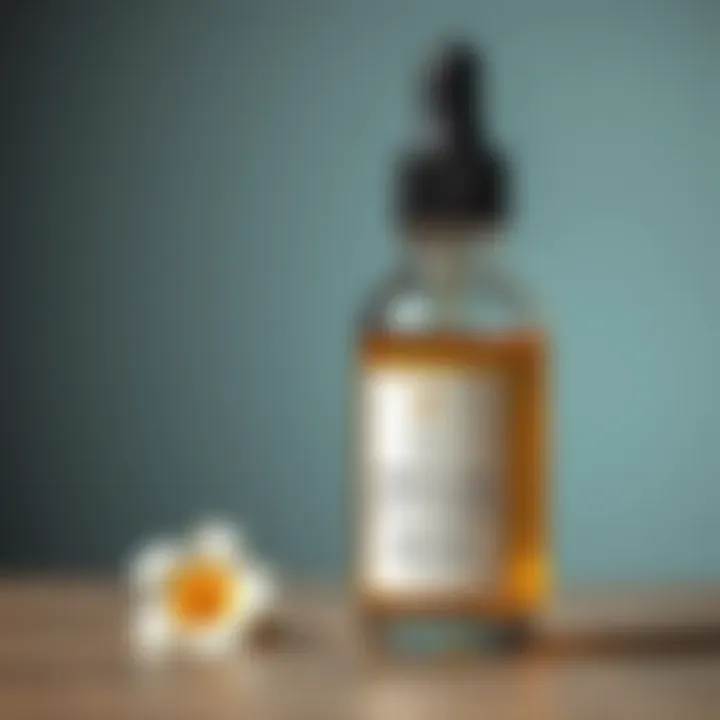
Understanding these components emphasizes the multifaceted capabilities of this oil. Each ingredient works in tandem, creating a holistic treatment that transcends basic hair care routines. In essence, the oil’s blend not only nourishes the hair but also participates in a more extensive battle against common hair ailments.
Comparison to Other Essential Oils
While several essential oils claim to pamper your locks, Moroccan hair essential oil holds its ground for specific reasons. Comparatively, consider the following:
- Coconut Oil: Well-known for its penetrating capabilities, coconut oil excels at moisturizing but often weighs hair down. On the other hand, Moroccan oil provides a lighter feel without sacrificing hydration.
- Argan Oil: Sometimes confused with Moroccan hair essential oil, argan oil shares similar properties but lacks the additional compounds that elevate Moroccan oil's efficacy in promoting hair health.
- Tea Tree Oil: Renowned for its antifungal properties, tea tree oil can be too potent for some hair types. Moroccan hair essential oil, however, offers a gentler, multifaceted treatment without overwhelming the scalp.
By defining these distinctions, it becomes evident that Moroccan hair essential oil serves a unique purpose in the expansive realm of hair care products. It stands as not just a mere addition to one’s regimen, but as a potentially transformative element.
Moroccan hair essential oil captures nature’s essence, combining effective compounds that address multiple hair concerns.
Thus, as we dive deeper into its properties, we further appreciate how its ingredients collaborate to offer a comprehensive approach to enhancing hair vitality.
Benefits of Moroccan Hair Essential Oil
The benefits of Moroccan hair essential oil are numerous, providing an essential layer to maintaining healthy hair amidst the stresses of everyday exposure to the environment. This oil is not just a trendy addition to a beauty arsenal; it embodies a rich tradition that transcends geographical boundaries, impacting hair care in profound ways. A deep dive into its specificity reveals why it resonates with various users from designers to influencers.
Moisturizing Properties
One of the standout attributes of Moroccan hair essential oil is its exceptional moisturizing properties. It offers a rich source of hydration that can significantly revitalize dry, frizzy hair. Unlike many commercial products that only create a temporary illusion of moisture, the oil penetrates deeply to nourish the scalp and hair shafts. This deep hydration is primarily due to its high content of fatty acids and vitamins. When applied, users often report a noticeable difference after just a few uses, as their hair becomes more manageable and less prone to breakage.
Moreover, for those living in arid climates, incorporating this oil can be a game changer, restoring moisture balance and preventing split ends. Applying a few drops to damp hair typically works best, sealing in hydration for a long-lasting effect.
Repairing Damaged Hair
Another significant benefit that many enthusiasts find appealing is Moroccan oil’s ability to repair damaged hair. Chemical treatments and heat styling can wreak havoc, leaving strands brittle and lifeless. This oil, rich in antioxidants and essential nutrients, acts like a repairman, mending the individual hairs while also fortifying them against future damage.
Many people have shared stories about reclaiming their hair using this oil after experiencing extensive wear and tear. Particularly, its application as a pre-treatment before washing it profoundly aids in strengthening the hair and restoring its luster. Users often suggest making it part of a routine where they can apply the oil and let it work its magic before hitting the shower.
Enhancing Shine and Smoothness
The quest for shiny and smooth hair is a common goal for many, and Moroccan hair essential oil can play a vital role in achieving that. Its unique composition not only tames frizz but adds a natural gloss that catches the light beautifully. While some treatments might use silicones to create shine, this oil works authentically without those synthetic shortcuts.
When the oil is spread across hair strands, it smooths out cuticles and enhances their reflective properties. A light application just before styling helps in achieving that polished look, making it a favorite among stylists prepping their models for the runway.
Scalp Health Improvement
Beyond hair care, the health of the scalp is a crucial consideration that often gets overlooked. Moroccan hair essential oil contributes significantly here as well. Its soothing properties can help improve issues like dryness, dandruff, and even itching. A healthy scalp promotes better hair growth, and this oil can be applied directly to the scalp with gentle massages to stimulate circulation.
Many users have reported a noticeable improvement in scalp condition after regular use of the oil. It’s not just about making the hair look good; it’s about fostering an environment where it can grow healthy and strong. Integrating Moroccan hair essential oil into weekly treatments can result in a more balanced scalp and, subsequently, stronger hair.
With its rich history and modern applications, Moroccan hair essential oil serves as a testament to the merging of tradition with contemporary beauty solutions.
Methods of Application
Understanding how to properly apply Moroccan hair essential oil is essential for harnessing its myriad of benefits. This section scrutinizes various methods that not only enhance the oil's performance but also adapt its use to individual preferences and hair care routines. Each application technique has its unique advantages, making it crucial for users to choose the method that aligns best with their hair goals.
Direct Application on Hair
One of the most straightforward and effective ways to use Moroccan hair essential oil is through direct application. This simple method allows the oil's rich nutrients to penetrate the hair shaft and scalp directly, maximizing its moisturizing and protective effects.
When applying, it's best to follow these steps:
- Start with clean, damp hair: Towel-dried hair soaks up products better, ensuring that the oil gets to work more effectively.
- Use a small amount: Pour a few drops into your palms and rub them together to warm the oil.
- Apply evenly: Work the oil through your hair, focusing first on the ends where dryness usually occurs. For those with oily roots, pausing there may be wise.
- Massage into the scalp: This promotes circulation and gives the added benefit of nurturing scalp health.
The results? Soft, manageable hair that has a renewed shine. Plus, it can help tame frizz significantly, giving an overall polished look.
Incorporating into Hair Products
Another effective way to enjoy the benefits of Moroccan hair essential oil is by incorporating it into existing hair products. This method allows for seamless integration of the oil into your regular routine, enhancing the effectiveness of shampoos and conditioners or other styling products.
Here’s how you can do it:
- Add to conditioner: Before applying your usual conditioner, mix in a couple of drops of Moroccan oil. This will amplify hydration, catering specifically to dry or damaged hair.
- Mix with styling products: If you’re using mousse, gel, or cream, blending Moroccan oil can soften textures and add a layer of protection against heat styling.
- Create a leave-in treatment: Combine the oil with water in a spray bottle for a light leave-in conditioning spray. Just a small dose can refresh your style while enhancing moisture.
Incorporating the oil into products allows for flexibility and customization according to one’s hair needs. It also provides a way to control the amount of oil, making it possible to adjust based on how your hair responds.
Hair Masks and Treatments
Using Moroccan hair essential oil as part of hair masks and treatments can be a game changer. This method involves blending the oil with other nourishing ingredients to create intensive treatments that target specific issues such as dryness, damage, or lack of shine.
To create a hair mask:
- Choose your base: Coconut oil, yogurt, or even avocado can serve as excellent bases. Each has its specific benefits, enhancing the overall efficacy of the mask.
- Mix with Moroccan oil: Combine the base with a few drops of the essential oil to elevate its nourishing effects.
- Apply generously: Spread the mixture evenly throughout your hair, ensuring full coverage from roots to tips.
- Let it sit: Allow it to work its magic for at least 30 minutes, wrapped in a warm towel or plastic cap, which can help with absorption.
The benefits of regular treatments can be astonishing. Not only can they deeply condition the hair, but they also promote faster growth and revitalized shine. Most users report feeling a notable difference after just one application.
By choosing the right method, you can fully unlock the potential of Moroccan hair essential oil, making it a cornerstone of your hair care routine.
Sourcing and Ethical Considerations
Sourcing and ethical considerations play a vital role in understanding the impact of Moroccan hair essential oil. These aspects not only encompass the methods by which the oil is obtained but also reflect on its broader implications for the environment and local communities. As consumers become increasingly aware of the origin of their beauty products, questioning their sustainability and ethical credentials, it’s imperative to dive into these topics thoroughly. The narrative surrounding Moroccan hair essential oil is not solely about its benefits for hair health; it also involves a commitment to conscious consumption.
Sustainable Harvesting Practices
Sustainable harvesting practices are fundamental to preserving the delicate ecosystems from which Moroccan hair essential oil is sourced. Traditionally, the oil is derived from the seeds of the argan tree, a species native to Morocco. However, the rapid expansion of demand has raised concerns about overharvesting and its potential consequences on biodiversity.
To address these concerns, many producers are adopting practices that aim to secure the argan tree populations while also ensuring the quality of the essential oil. This often includes techniques that prioritize low-impact harvesting methods and the regeneration of plants. For instance:
- Selective Harvesting: Collecting only ripe seeds to reduce waste and allow the tree to continue producing for future seasons.
- Ecosystem Management: Implementing practices that protect not only the argan trees but also the surrounding flora and fauna.
- Agroforestry Practices: Integrating argan forestry with crop cultivation, which enhances soil health and carbon capture.
Clarity about these practices helps consumers make informed choices about the products they use without unintentionally supporting unsustainable practices.
Supporting Local Communities
The production of Moroccan hair essential oil is deeply intertwined with the livelihoods of local communities, particularly women who often take charge of oil extraction and processing. Supporting these communities goes beyond economic implications; it fosters social empowerment and cultural preservation.
Women’s cooperatives are a significant aspect of this industry, offering them a platform to not only gain financial independence but also to engage in community development projects. Supporting local communities entails:
- Fair Trade Practices: Ensuring that producers receive fair compensation for their work which helps alleviate poverty and enhance living standards.
- Capacity Building: Providing education and resources that allow local producers to improve their techniques and expand their market reach.
- Community Investments: Profits from the essential oil production can be reinvested into local infrastructure, such as schools and health facilities, benefiting the wider community.
Moreover, it’s essential to raise consumer awareness about how their purchases can positively affect the lives of these communities. By choosing products sourced through ethical channels, consumers participate in a more equitable economy.
"When you buy Moroccan hair essential oil, you're not just purchasing a product; you're supporting a way of life and a commitment to sustainability and social equity."
Potential Challenges and Risks
Understanding the potential challenges and risks associated with Moroccan hair essential oil is crucial for both consumers and professionals in the hair care industry. While this oil boasts numerous benefits, it’s wise to approach with a critical eye. This section delves into key considerations that individuals should be aware of to ensure a safe and effective experience with this remarkable oil.
Allergic Reactions and Sensitivities
Even the finest products can have unintended consequences. Moroccan hair essential oil, while packed with nourishing properties, may provoke allergic reactions or sensitivities in some users. Reports of skin irritations or allergic responses, although not common, underscore the need for caution. These reactions can manifest as redness, itching, or even more severe rashes.
Before diving headfirst into using Moroccan hair essential oil, it might be worthwhile to conduct a patch test on a small area of the skin. If there's no reaction within 24 hours, it's likely safe to use. And remember, not every product is a fit for every person; what works wonders for one could spell disaster for another.
Here are a few key considerations:
- Know Your Skin Type: Understanding if you have sensitive skin can shape how you use the oil.
- Read Ingredients Carefully: Sometimes other components in formulations might trigger sensitivities.
- Consult Professionals: A talk with a dermatologist or hair care expert can provide tailored advice.
Quality Control in the Market
In a world where 'all-natural' claims can sometimes stretch the truth, quality control becomes a pivotal issue for Moroccan hair essential oil. Buyers must be wary of products that might be diluted or mixed with lower-quality ingredients, as these can diminish effectiveness and even introduce unwanted side effects.
Market research indicates that not all Moroccan hair essential oils are created equal. High-quality oils are derived from fresh argan nuts, processed under strict conditions. However, some products might be sourced from less reputable manufacturers, leading to discrepancies in purity and potency.
Here are steps consumers can take to safeguard their purchases:
- Source Certifications: Go for brands that provide proof of authenticity and testing.
- Check for Transparency: Brands that openly share sourcing and processing details likely have higher standards.
- Read Reviews: Feedback from fellow users can provide insights into the product's effectiveness and quality.
With these challenges in mind, consumers can make informed decisions and mitigate risks associated with Moroccan hair essential oil. Being educated is the first step towards a positive experience.
Knowledge is power—especially in the world of cosmetic ingredients.
The End and Future Implications
The exploration of Moroccan hair essential oil reveals a significant intersection between traditional practices and modern hair care solutions. The multifaceted benefits outlined throughout the article highlight its potential to transform hair health through natural means. This oil, rich in essential fatty acids and antioxidants, serves not only as a treatment for dryness and damage but as a versatile ingredient that accommodates various hair types and needs.
Summary of Key Points
- Defining Characteristics: Moroccan hair essential oil is extracted from argan nuts, known for their rich nutritional profile. Its unique composition includes vitamin E and essential fatty acids, making it a powerhouse for hair care.
- Benefits: The oil offers moisturizing properties that combat dryness, enhances shine, and promotes scalp health. Its reparative attributes help in restoring damaged hair, a concern that plagues many individuals.
- Application Methods: Consumers can incorporate this oil through direct applications, inclusion in hair care products, or DIY hair masks.
- Ethical Considerations: Sustainable sourcing practices and supporting local communities are imperative, ensuring that the benefits extend beyond personal use to also uplifting the regions that produce this valuable resource.
- Potential Risks: Awareness of possible allergic reactions is crucial for consumers, as quality control varies in the marketplace.
Recommendations for Consumers
For those considering the integration of Moroccan hair essential oil into their routine, it’s wise to:
- Do Your Research: Familiarize yourself with the brand or supplier to ensure quality and ethical sourcing. Look for certifications that vouch for organic or fair-trade practices.
- Test Before Use: Conduct a patch test to gauge your skin's and scalp’s reaction to the oil. This simple step can prevent unwanted irritations.
- Diverse Application: Depending on your individual hair type—be it curly, straight, or coily—experiment with different amounts and methods of application to see what gives you the best results. For example, those with coarser hair might benefit from more substantial applications, while finer hair may require less.
The Future of Essential Oils in Hair Care
The increasing demand for natural products paves the way for essential oils, such as Moroccan hair essential oil, to gain prominence in the beauty industry. As consumers become more aware of the potential chemical dangers in synthetic products, they seek alternatives that promise not only efficacy but also safety.
- Innovative Formulations: Future products will likely see innovative blends that combine Moroccan oil with other complementary essential oils, enhancing their benefits.
- Research and Development: Ongoing research into the effectiveness of essential oils will lead to improved formulations, backed by scientific evidence, which can help in marketing and consumer trust.
- Community Focus: As the narrative of sustainability grows, more brands may focus on community aid programs tied to their sourcing practices, establishing a deeper connection between consumers and producers.
As consumers navigate the vibrant landscape of hair care, Moroccan hair essential oil stands at the forefront, poised to bridge heritage with modern expectations. Its integration into everyday routines points to a broader trend favoring holistic approaches to beauty, marrying both wellness and aesthetics.