Innovative Trends in 3D Rose Fabric for Fashion


Intro
In the ever-evolving realm of fashion, textiles play a crucial role in defining trends and aesthetics. Among the myriad of innovative materials making waves today, 3D rose fabric stands out not just for its visual impact but for its versatility and potential across various applications. With its unique texture and dimensional quality, this fabric embodies the intersection of art and craftsmanship, allowing designers to push boundaries and explore new creative avenues.
The significance of 3D rose fabric extends beyond its appearance; it reflects current cultural shifts towards expressing individuality and sustainability. As consumers become more discerning about what they wear—prioritizing uniqueness and eco-friendliness—understanding materials like this becomes paramount for anyone working in fashion. This article aims to delve into the current trends shaped by 3D rose fabric, dissect techniques that enhance its use, and highlight practical applications that resonate within both high fashion and everyday wear.
Fashion Trends and Insights
Current Trends in Clothing Styles
The fashion landscape today leans heavily towards textures and patterns that not only convey style but also emotional resonance. 3D rose fabric, with its intricate floral designs, is emblematic of these trends, appearing in everything from haute couture runways to affordable streetwear collections. Designers like Alexander McQueen and Valentino have incorporated this fabric to create garments that exude femininity and boldness.
The styles surrounding 3D rose fabric are manifold. For instance, high-low dresses adorned with layered 3D blooms have gained prominence, emphasizing both elegance and audacity. Furthermore, athleisure has also embraced this textile, interweaving sporty silhouettes with elaborate 3D detailing, offering a unique blend of casual comfort and striking design. As fashion continues to eclipse traditional norms, the flexible application of 3D rose fabric encourages creative expression, inviting innovators to rethink what clothing can embody.
Influential Fashion Icons and Movements
In discussing the rise of 3D rose fabric, it's essential to acknowledge the influence of fashion icons who advocate for originality and artistry. Personalities like Lady Gaga and Zendaya have been pivotal in cultivating a narrative around dramatic fabrics and avant-garde designs. Their bold fashion choices not only challenge conventional aesthetic standards but also galvanize designers to experiment fearlessly.
On a broader scale, movements such as feminism in fashion have embraced these fabric trends, championing the idea that clothing can be a form of empowerment and self-expression. Social media also plays a vital role in shaping how these styles are perceived, as platforms like Instagram allow for immediate feedback and visibility, thus propelling the popularity of 3D rose fabric.
"Fashion is the armor to survive the reality of everyday life." – Bill Cunningham
Sustainable Fashion Practices
Eco-Friendly Fabrics and Materials
As the world shifts towards more sustainable practices, the choice of materials takes center stage, particularly in the context of fashion. While 3D rose fabric is celebrated for its aesthetic appeal, it is equally essential to consider its environmental impact. Many manufacturers are adopting more sustainable approaches to produce this fabric, such as utilizing recycled materials or innovative eco-friendly synthetics that retain the texture and design sought after by designers.
Some popular eco-friendly alternatives that align with the qualities of 3D rose fabric include:
- Organic cotton
- Tencel, made from sustainable wood sources
- Recycled polyester
Incorporating these materials not only appeals to the environmentally conscious consumer but also fosters a sense of responsibility within the industry.
Tips for Building a Sustainable Wardrobe
Creating a sustainable wardrobe doesn’t have to be daunting. Here are a few straightforward tips:
- Choose quality over quantity – invest in pieces that last rather than fast fashion.
- Support local designers using sustainable practices.
- Consider second-hand options – thrift stores are treasure troves of unique finds.
- Educate yourself on brands’ sustainability efforts before making a purchase.
By aligning personal style with sustainability, consumers not only enhance their wardrobe with unique items like 3D rose fabric but actively participate in a larger movement towards responsible fashion.
In summary, the exploration of 3D rose fabric reveals not just its beauty but also its potential to adapt within the evolving fashion landscape. It stands as a testament to the future where creativity, sustainability, and individual expression converge.
Preface to 3D Rose Fabric
When discussing contemporary textile innovations, 3D rose fabric stands out with its unique aesthetic and versatile applications. This fabric not only offers striking visuals but also carries fascinating implications in fashion design, interior décor, and beyond. Awareness of 3D rose fabric is essential for designers, retailers, and enthusiasts alike, as it embodies a blend of creativity and technology.
Definition and Origin
3D rose fabric, as the term suggests, features a three-dimensional design that resembles roses. The first instances of this fabric appeared in high fashion runways, grabbing attention with its textured structure that mimics the delicate layers of a rose petal. Originating from the marriage of traditional textile art with modern techniques, its birth can be traced back to the innovative use of textile manipulation technologies. The process involves crafting fabric using various polymers, enabling the creation of intricate patterns that have a tactile dimension. Designers often source inspiration from nature's organic forms, bringing floral motifs to life in ways previously unattainable. As such, the fabric not only serves an aesthetic purpose but also redefines how we perceive beauty in textiles.
Evolution in Textile Design
The evolution of 3D rose fabric in the landscape of textile design has been nothing short of remarkable. Initially, textiles were limited to two-dimensional patterns that often constrained creativity. However, as advancements in fabric technology emerged, designers began experimenting with three-dimensional elements. This innovation has carved a new niche within the fashion industry, allowing designers to push the boundaries of what is possible.
- Breakthrough Technologies: Key developments in digital fabric printing and laser cutting have made it easier to create 3D forms, enabling a level of detail and depth that was once a pipe dream for many.
- Sustainability: Today's designers are mindful of eco-friendly practices. Many manufacturers are now focusing on sustainable sources for production, aligning textile creation with responsible environmental practices.
- Widespread Adoption: As major fashion houses embraced 3D rose fabric, it has trickled down to mainstream fashion, influencing various levels of design, including haute couture and everyday wear.
Through these advances, 3D rose fabric not only caters to a sense of beauty but also innovates textile applications, creating an intersection between artistry and methodology. As we delve deeper into this exploration, the significance of its unique properties and the trends shaping its future become increasingly apparent.
Material Composition
Understanding the material composition of 3D rose fabric is crucial. It not only influences the aesthetic appeal but also determines the performance characteristics of the textile. This section deep dives into the fibers and textures that make up this unique fabric, alongside the practicalities surrounding its durability and care.
Fibers and Textures
The fabric's base begins with the choice of fibers, weaving a significant narrative into 3D rose fabric. Predominantly, these textiles are crafted from synthetic fibers such as polyester and nylon. These materials lend themselves to intricate designs and patterns, which characterize 3D rose fabric. Synthetic fibers can be manipulated through various production techniques to generate a vast array of textures, ranging from plush and soft to sleek and satin-like finishes.
Another noteworthy option is the use of natural fibers like cotton or silk. While they may not possess the structural integrity of synthetic materials, they bring an organic feel and breathability to the fabric. For example, when a designer opts for cotton blends, the result can offer a tactile warmth which many consumers appreciate. Choosing the right fiber is like picking a paint for an artist; it sets the mood and limits or expands possibilities.
Textures play an equally important role, as they enhance the visual and tactile appeal of the fabric. For instance, a raised texture can create an eye-catching 3D effect that transforms garments and accessories from being ordinary to standout pieces. The techniques employed to achieve these textures are best exercised during manufacturing processes, which we will touch on later.
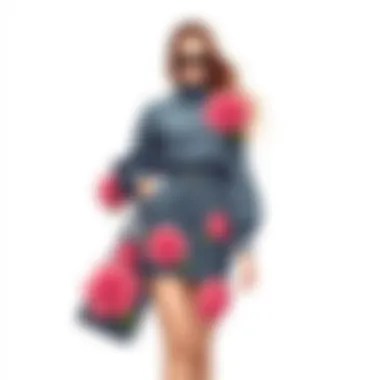

- Synthetic Advantages: Durable, easy to maintain, widely available.
- Natural Fiber Benefits: Breathable, soft, environmentally friendly.
Durability and Care Instructions
Durability in textiles is not a mere buzzword; it's a critical element for both consumers and designers. 3D rose fabric typically showcases commendable durability due to its synthetic origins. Factors like UV resistance, colorfastness, and wear resistance make this fabric suitable for various applications, potentially extending a garment's lifecycle significantly when compared to conventional materials.
However, durability doesn't negate the necessity for proper care. Maintaining the vibrancy and structure of 3D rose fabric requires attention. Here are some fundamental guidelines:
- Washing: Prefer gentle cycle settings on machines. Hand washing is also an effective way to care for delicate designs.
- Drying: Air drying is recommended to prevent deformation. If a dryer is used, opt for low heat.
- Ironing: If necessary, do so on a low heat setting, with a cloth as a barrier to prevent direct contact.
"Cloth is the canvas for the creative mind, and knowing how to care for it prolongs the artistry."
Notably, with the popularity of 3D rose fabric in fashion, there is an increasing demand for eco-friendly care products. Today, there’s an abundance of biodegradable detergents marketed specifically for delicate fabrics that maintain color integrity while being gentle on the environment.
By understanding material composition in detail, one can make informed choices that resonate with both personal style and sustainability principles.
Design Techniques
Design techniques in the realm of 3D rose fabric are essential as they touch on the creative methods by which these fabrics are transformed into stunning garments and accessories. These techniques not only dictate how the fabric looks but also influence its usability and the audience's perception. Designers need to embrace a variety of processes to ensure that the fabric’s inherent characteristics are highlighted effectively.
Manufacturing Processes
Manufacturing processes are the heartbeat of creating 3D rose fabric, and understanding these processes can help designers communicate their visions more effectively. There are various methods employed in manufacturing, one of them is the use of advanced textile technology, which may involve techniques such as laser cutting and digital printing. These processes allow for intricate designs that grasp the eye without overwhelming the senses.
Another essential method is embroidery, where threads are weighted and layered to create dimensional effects akin to rose petals. This can be achieved through machines or painstaking handwork, depending on the scale of the project. The choice of manufacturing process influences not only the fabric's aesthetic but also its durability, texture, and cost.
Moreover, sustainable practices are becoming increasingly crucial in manufacturing, often necessitating a blend of innovation and tradition. Designers now more than ever are considering environmental impacts as they source materials and decide on production methods. The emerging trend of local manufacturing aims to reduce carbon footprints, ensuring that the fabric is produced with minimal environmental harm.
Innovative Approaches to Crafting Patterns
When it comes to crafting patterns in 3D rose fabric, innovation takes center stage. Designers are exploring diverse techniques that push the envelope and create patterns beyond traditional expectations.
Take for instance, the technique known as smocking, which gathers the fabric to give it a three-dimensional aesthetic resembling a blossoming rose. This often makes the garment more flattering as it allows for a sculptural effect, enhancing the wearer’s silhouette.
Additionally, recent advancements in computer-aided design (CAD) programs allow designers to experiment with complex patterns, where virtual simulations foster creativity. By playing around with shapes, gradients, and textures in a digital environment, the allure of 3D rose fabric becomes even more pronounced.
Often overlooked but equally vital are hand-drawn patterns that bring a personal touch. These hand-crafted approaches can connect the consumer to the creator, leading to a deeper appreciation for each piece. It offers a charming textural contrast to sleek digital patterns, revealing the character of the fabric and the designer alike.
"Innovative design techniques open doors to a world where creativity knows no bounds, especially with such versatile materials like 3D rose fabric."
Applications in Fashion
The significance of 3D rose fabric in the realm of fashion cannot be overstated. As a burgeoning material, it embodies innovation while invigorating aesthetics across various applications. Designers are not just fabricating garments; they are crafting statements through texture, depth, and a touch of whimsy. Notably, this fabric offers a blend of versatility and distinctiveness that makes it a treasure in any designer's toolkit.
Garment Construction
In garment construction, the use of 3D rose fabric elevates the mundane to the extraordinary. This material can transform generic silhouettes into stunning creations that capture the eye. When designers incorporate intricate rose motifs into their patterns, they don't just add visual interest—they also instill a sense of sophistication and romance. Imagine tailored dresses adorned with 3D floral accents that flutter gently as the wearer moves, creating an elegant dance of shadows and shapes.
The technique involved in working with 3D rose fabric often requires a skilled hand. Compatibility with various fabrication processes, such as laser cutting and bonding, ensures that designers can manipulate forms to create unique structures. Designers like Giambattista Valli have popularized the use of this textile, pushing the boundaries of conventional fashion to marry feminine charm with avant-garde techniques.
Furthermore, when considering garment construction with 3D rose fabric, designers must also bear in mind the challenges it presents. Sourcing the right fabric that embodies durability and elasticity is crucial. It must withstand the wear and tear of daily life while still maintaining its artistic flair. With proper care, this fabric can last, making it a worthwhile investment for high-fashion pieces.
Accessories and Decorative Uses
3D rose fabric doesn't just stop at clothing; its applications in accessories and decorative uses are quite staggering. From statement bags to eye-catching shoes, this material brings a unique vibrancy to any accessory line. For instance, consider a clutch embellished with 3D rose patterns, a conversation starter that doubles as a work of art. Notably, the elevation of everyday items into high-fashion realms illustrates how versatile this fabric truly is.
In home decor, 3D rose fabric can enchant living spaces. Pillow covers, table runners, and even curtains can be fashioned from this fabric to add a layer of elegance. The play of light on the textured surfaces creates a depth that flat fabrics simply can’t achieve. Designers can provide tailored solutions to individual preferences, making spaces uniquely inviting.
Additionally, the creative possibilities are virtually endless. Accessories made with 3D rose fabric can serve as focal points or subtle enhancements. A brooch or hair clip adorned with fabric flowers can transform a simple outfit into something more aspirational. The tactile nature of the fabric further appeals to the senses, inviting touch and admiration.
With an array of potential uses in fashion and design, 3D rose fabric stands out not just for its beauty but for its innovative applications that promise to take future collections to new heights.
"The beauty of fashion lies not just in the garment itself, but in the narratives and experiences woven into the fabric."
For more insights into fabric applications and trends, check out Wikipedia and Britannica.
As this artistic material gains traction in the fashion industry, its potential for enhancing designs is boundless, urging designers to rethink traditional methodologies in garment and accessory creation.
Styling 3D Rose Fabric
Styling 3D rose fabric holds particular significance in the context of fashion and design. Its unique texture and aesthetic appeal can transform ordinary pieces into something exceptional. The intricacies of this material allow designers to experiment with layers, shapes, and depth, leading to innovative and eye-catching creations. By exploring how to effectively style this fabric, fashion aficionados can unlock its full potential and establish trends that resonate within the industry.
Pairing with Other Textiles
One of the most compelling features of 3D rose fabric is its versatility when paired with different textiles. Whether combined with smoother fabrics like silk or blended with denser materials like denim, the possibilities are extensive. Here are some points to consider when marrying 3D rose fabric with other textiles:
- Contrast and Harmony: The textured dimension of 3D rose fabric works well with sleek fabrics, creating a pleasant contrast. For instance, pairing it with a lightweight chiffon can emphasize the rose's textures while maintaining an air of elegance.
- Layering Techniques: Thick fabrics, such as wool or velvet, can anchor outfits while allowing the 3D rose fabric to act as an accent. Think jackets that feature this embellishment or skirts that incorporate both heavy and light materials.
- Functional Uses: Incorporating 3D rose fabric in components like pockets or collars can break the monotony, offering a functional yet stylish twist.
Considerations:
- Comfort: Ensure the pairing doesn’t compromise wearability.
- Weight: Balance the weight of textiles; combining too many heavy materials can lead to an overwhelming outfit.
"A fabric is not merely a product; it tells a story through its textures, colors, and the way it's styled."
Color Combinations That Work
Color plays a pivotal role when styling 3D rose fabric. Its inherent character can be accentuated through thoughtful choices in color palettes. Here are some combinations that can create striking aesthetics:
- Monochromatic Schemes: Utilizing various shades of the same color can create a cohesive and sophisticated look. A blush rose 3D fabric paired with deeper shades of pink or nude offers subtlety without losing impact.
- Bold Contrasts: Bright colors like cobalt blue or emerald green provide eye-catching contrast to the gentle hues of the 3D texture. This kind of pairing is especially effective for evening wear, capturing attention effortlessly.
- Earth Tones: Combining 3D rose fabric with earth tones, like terracotta or olive, can result in a grounded yet fashionable look, perfect for autumn.
The key is to consider the mood of the outfit you aim to create. Soft, muted colors tend to lean towards a romantic vibe, enquanto strong contrasts give off an energetic feel.
Seasonal Trends and Recommendations
Fashion is a reflection of the seasons, and 3D rose fabric is no exception. As temperatures and styles shift, so too do the ways in which this fabric can be employed. Here’s how its application adapts:
- Spring/Summer: Light and airy designs are all the rage. Think flowy dresses adorned with 3D roses. These can pair perfectly with sandals, creating a breezy, feminine look. Floral prints or pastel palettes can augment this seasonally appropriate feel.
- Autumn/Winter: For cooler months, integrating 3D rose fabric with heavier outerwear is a thoughtful choice. Long coats featuring this material can be both fashionable and functional. Darker colors, perhaps with a rich burgundy, can resonate well during these seasons.
In light of these trends, continually adapting to changing styles is vital. Observing runway collections and retail displays can provide invaluable insight into how best to style 3D rose fabric.
Case Studies of Designers Using 3D Rose Fabric
Innovative Collections Explored
In recent years, the incorporation of 3D rose fabric into fashion collections has revealed a wealth of creativity and potential. Designers are truly taking the bull by the horns, challenging the norms of textile design. One notable collection emerged from the visionary designer Alexander McQueen, known for his dramatic and conceptual approach. In his latest line, the use of 3D rose fabric showcased a blend of bold structures and delicate floral motifs that encapsulated both rebellion and beauty. This interplay not only caught the eye but also highlighted how 3D textiles can transform garments into dynamic pieces of art.
Another designer making waves is Iris van Herpen, who has continually pushed the boundaries of fashion technology. Her collection featuring 3D rose fabric explored intricate layering techniques that created an illusion of depth and movement. Through the use of advanced manufacturing processes, each piece allowed for a unique interpretation, offering a tactile experience that invites interaction. Her work reflects a marriage of technology and artistry, demonstrating the vast possibilities for 3D rose fabric in high couture.
These examples signal to other designers that 3D rose fabric is not just a trend; it's a revolutionary shift in how textiles can redefine the silhouette and texture of clothing. The key here is experimentation. Designers willing to step into the unknown are more likely to create collections that resonate with consumers looking for uniqueness.
Impact on the Fashion Industry
The rise of 3D rose fabric is not just about aesthetics; it carries significant implications for the broader fashion industry. First and foremost, it opens doors for sustainable practices in an industry often critiqued for its environmental footprint. By utilizing innovative materials like 3D rose fabric, designers are reducing waste and promoting a more eco-conscious approach. This aligns with a growing consumer demand for sustainable fashion choices.
Moreover, as more designers adopt and innovate with 3D rose fabric, it is likely to influence market trends. Retailers are increasingly shifting their buying strategies to reflect this innovative material, thus reshaping inventory decisions and marketing campaigns. This ripple effect can lead to a market that not only embraces variety but also values creativity and sustainability equally.
"The evolution of 3D fabrics is a testament to the endless possibilities in fashion design, where creativity meets functionality and sustainability."
To further illustrate the impact, consider how fashion-forward brands are promoting 3D rose fabric in their advertising campaigns. By showcasing the fabric's unique characteristics, companies are effectively communicating the benefits to potential buyers. As a result, consumer perceptions are shifting, creating a marketplace that's more accepting of and excited about new textile technologies.
Thus, it becomes evident that the influence of 3D rose fabric extends beyond individual collections. It’s paving the way for a new era in fashion—one that values innovation, sustainability, and diverse expressions of style. As we continue to examine these case studies, it becomes clear that designers are not merely contributing to a trend; they are rewriting the narrative of the fabric's role in the industry.
Finale
Through both case studies and industry discourse, it's clear that the significance of 3D rose fabric transcends its visual appeal. It's a driving force for design innovation and sustainability in the fashion realm. As designers embrace its potential, the future of fashion fabric looks not only brighter but more vibrant and responsible.
Sustainability Considerations
The significance of sustainability in the textile industry has grown tremendously as the effects of climate change and environmental degradation become increasingly apparent. This is especially true for innovative materials such as 3D rose fabric. As a key player in the realm of fashion, designers, retailers, and consumers are pushing for methods that not only create visually appealing products but also emphasize eco-friendly practices. The use of sustainable resources, manufacturing processes, and post-consumer waste management can redefine industry standards and encourage a more responsible approach to fashion.
Eco-friendly Manufacturing Practices
Manufacturing practices surrounding 3D rose fabric are gradually aligning with sustainable development goals. This alignment focuses on reducing waste, lowering carbon footprints, and maximizing efficiency. One prominent approach is through the use of organic fibers like cotton or hemp that require fewer chemicals during their growth and processing. Incorporating techniques such as digital printing can also minimize dye wastage and further enhance the eco-friendliness of the fabric.
In addition, adopting closed-loop systems in the production line can help. This method allows the recycling of water used in production, significantly decreasing water pollution.
- Benefits of eco-friendly practices in 3D rose fabric include:
- Reduced reliance on toxic chemicals.
- Enhanced biodegradability of the materials used.
- Lower energy consumption.
- A larger market appeal, particularly to environmentally-conscious consumers.
The integration of these principles directly benefits brands by resonating with consumers who prioritize sustainability in their purchasing decisions. When brands actively promote their eco-friendly practices, it can foster greater loyalty among the clientele and elevate the brand’s overall reputation.
Recycling and Upcycling of Fabric
As sustainability becomes a priority across industries, recycling and upcycling have emerged as essential practices within the fabric sector. 3D rose fabric offers immense potential for both recycling and upcycling efforts. Designers and consumers alike can leverage the flexibility and creativity of this material to give new life to garments that may have otherwise ended up in landfills.
Recycling involves taking old fabric, breaking it down, and using the material to produce new products. This not only lessens the demand for virgin material but also reduces waste. Upcycling, on the other hand, focuses on reimagining and repurposing existing fabrics into new creations without the need for extensive processing. It champions individuality and uniqueness at a time when fast fashion often promotes uniformity.
Some examples of how 3D rose fabric can be effectively recycled or upcycled include:
- Transforming old garments into stylish accessories like bags or hats.
- Creating unique home decor items, such as cushions or wall art, that incorporate the fabric’s intricate textures.
- Mixing scraps of 3D rose fabric with other textiles for one-of-a-kind pieces.
By engaging in both recycling and upcycling, the fashion industry can pave the way towards a more sustainable future, nurturing creativity while actively contributing to waste reduction.
As 3D rose fabric gains traction, it will be crucial for industry stakeholders to explore and adopt these sustainable practices. Through a concerted effort towards eco-friendly manufacturing and fabric management techniques, we can inch closer to achieving a more sustainable future in the world of fashion.
Future Trends in 3D Fabric Technology
The future of 3D fabric technology promises fascinating innovations that are reshaping the landscape of design and apparel. Understanding these trends is crucial for designers, retailers, stylists, and students who seek to stay ahead of the curve. 3D rose fabric, in particular, exemplifies how technology can enhance textile artistry while addressing practical aspects of sustainability and consumer demands.
Technological Advancements
The rapid evolution of technology plays a key role in the development of 3D fabrics. Technologies such as digital printing, computer-aided design (CAD), and advanced weaving methods are paving the way for intricate designs that were once thought to be impossible.
- Digital Printing: This technique allows for precise and vibrant patterns to be printed onto fabrics. For example, designers can now create a delicate rose pattern that retains its vivacity after multiple washes.
- 3D Knitting: A game-changer in garment construction, 3D knitting technology produces seamless pieces, reducing waste and enhancing fit. Imagine a dress that conforms perfectly to your body without the distractions of seams.
- Biotechnology in Textiles: The rise of bio-engineered fabrics introduces new possibilities, with fibers that can react to environmental factors. This could mean creating fabrics that change color or texture based on temperature or lighting.
These advancements not only lead to unique aesthetic designs but also improve functionality and comfort. Designers can create garments with built-in ventilation or moisture-wicking properties, catering to the modern consumer's needs.
Predictions for Market Growth
As the market for 3D fabrics expands, predictions suggest significant growth in various sectors. The demand for flexible production methods and custom designs will likely increase, calling for a shift in how manufacturers operate.
"The fabric industry will continue to blend technology with artistry, leading to unique pieces that tell a story beyond mere aesthetics."
- Consumer Preference: As consumers become more discerning, the preference for personalized and customized clothing is expected to rise. Brands that can offer tailored solutions using 3D technologies, like custom-fit garments, stand to gain a competitive edge.
- Sustainable Practices: Companies adopting eco-friendly manufacturing will likely attract a more conscientious consumer base. The use of biodegradable materials and 3D printing methods that minimize waste speaks directly to the growing interest in sustainability.
- Collaboration with Tech Firms: The fabric industry will see more partnerships with tech companies focusing on innovations in materials and production techniques. This collaboration could lead to a slew of groundbreaking products that redefine consumer experience.
In summary, the future trends in 3D fabric technology are not merely about visual enhancement; they're about creating textiles that respond to today’s challenges and consumer expectations. Designers, retailers, and industry stakeholders must keep an eye on these developments to remain relevant in this rapidly changing landscape.
Challenges Within the Industry
As the fascinating world of 3D rose fabric continues to capture the imagination of designers and consumers alike, the challenges within the industry become increasingly pronounced. Navigating the intricate landscape of material production, user perception, and market dynamics is paramount for innovators looking to harness this unique textile fully. Understanding these challenges not only shapes the narrative of 3D rose fabric but also informs ongoing improvements and adaptations within this burgeoning sector.
Cost Implications of Production
The production of 3D rose fabric is not just a walk in the park. Often, it is a complex process involving advanced machinery, skilled labor, and the sourcing of high-quality materials. Consequently, the cost implications can be significant. Manufacturers face financial hurdles that can discourage widespread adoption and experimentation in the fashion world.
A few factors contributing to these costs include:
- Material Sourcing: High-quality fibers often come with a steep price tag. Sourcing eco-friendly options adds another layer of expense.
- Technology Investment: The intricate designs that characterize 3D rose fabric require specialized equipment. This equipment doesn’t come cheap, and not all producers have access to it.
- Labor Skills: Skilled artisans and technicians are needed to navigate manufacturing processes. Training these professionals incurs additional costs that must be accounted for.
"Understanding the economic landscape is critical for anyone looking to break into the 3D fabric market."
These cost issues often lead to a pricing dilemma where brands must balance quality with affordability, making it difficult for small designers to carve their niche.
Consumer Perceptions and Adoption
In an age where consumer preferences are evolving rapidly, understanding how potential buyers perceive 3D rose fabric is crucial. The question of whether it is viewed as a trendy innovation or as an extravagant choice reflects broader societal attitudes towards sustainability, fashion, and luxury.
To draw the line with consumer adoption, consider the following points:
- Aesthetic Appeal: While many appreciate the unique look of 3D rose fabric, not all are ready to embrace it. Many consumers have yet to fully understand its versatility or styling potential.
- Sustainability Concerns: With a significant focus on eco-friendliness, shoppers are increasingly wary of the environmental impact of their purchases. If a fabric is perceived as harmful to the planet, potential buyers might shy away.
- Availability and Access: Even if consumers are intrigued, accessibility can be an issue. Many high-end collections may not be available in mainstream markets.
As such, overcoming these challenges requires focused strategies, including marketing to demystify the fabric's benefits and actively engaging consumers through education and experiences. By addressing these perceptions directly, brands can pave the way for broader acceptance and enthusiasm around 3D rose fabric.
In sum, recognizing and addressing cost implications and consumer perceptions are vital for those entrenched in the 3D rose fabric industry. For designers, retailers, and stylists, staying ahead of these challenges could mean the difference between stagnation and thriving success in a competitive landscape.
Finale
The exploration of 3D rose fabric reveals a fascinating intersection of art and technology, and it fundamentally shifts the paradigms of textile design and application. This article encapsulates the essence of 3D rose fabric by delving into its material attributes, design techniques, and real-world applications. Readers can appreciate that this fabric is not merely a novelty; it invites a rethinking of traditional aesthetics in fashion and design.
Summation of Key Insights
This journey through 3D rose fabric has uncovered several pivotal insights:
- Versatility: 3D rose fabric finds its place in various industries, extending beyond garments to accessories and interior design.
- Creative Expression: Its unique textures allow designers to play with form and structure, opening avenues for innovation in pattern making and garment construction.
- Sustainability: As the industry pushes towards eco-friendliness, the advancements in manufacturing and recycling practices for 3D rose fabric stand as a testament to the potential for growth in sustainable fashion.
- Consumer Appeal: The visually striking attributes create an inherent desire for consumers, sparking interest and driving trends within the marketplace.
Overall, the embrace of 3D rose fabric not only enhances the aesthetic value of fashion but also elevates the narrative around sustainability and innovation.
Call for Continued Innovation in Fabric Design
The textile industry, facing increasing demands for sustainability, has no choice but to adapt and evolve. The continued innovation in 3D rose fabric serves as a clarion call for designers, manufacturers, and consumers alike. It's not just about creating beautiful pieces but understanding the lifecycle of these materials. Future advancements may lead to:
- New Materials: The integration of biodegradable fibers and advanced technologies could reinvent how we conceive fabrics.
- Smart Textiles: We could witness the rise of fabrics that respond to environmental changes, merging technology with wearability—making even the simplest garment a sophisticated creation.
- Collaborative Efforts: There’s a real opportunity for collaboration between material scientists and fashion designers, potentially creating fabrics that are not only stunning but also align with eco-friendly practices.